
Fuel Options Thailand – Inc. Rural & Remote Locations
If you plan on riding in Thailand, being aware of the various fuel options can help, especially when riding in rural areas and for those riding on bikes with smaller fuel tanks. This guide outlines the various options available.
Click to close
Contents
Is it easy to find fuel in Thailand?
Yes. Petrol stations are plentiful in cities, towns, and along major highways. In more rural areas, you’ll often find automated fuel pumps, village fuel stops, or even petrol sold in bottles.
What type of fuel do motorcycles use in Thailand?
Most motorcycles use Gasohol 91, Gasohol 95, or Benzine 95. Always check your owner’s manual or the label near your fuel cap to confirm the correct fuel for your bike.
Are petrol stations open 24 hours?
Many larger petrol stations are open 24 hours, especially those operated by brands like PTT, Bangchak, and PT. Smaller stations may have limited opening hours.
Can I pay by card at petrol stations?
Most major petrol stations accept credit and debit cards, although carrying some cash is recommended, particularly when travelling in rural areas.
What if I run out of fuel in a remote area?
Thailand has several backup options, including automated fuel pumps, village fuel stops, roadside shops selling petrol in bottles, and friendly locals who are often willing to help.
Is bottled petrol safe to use?
Yes. Roadside bottled petrol is a common sight throughout rural Thailand and is intended as an emergency fuel source. Just make sure you purchase it from a reputable-looking shop.
How often should I refuel when riding in the mountains?
It’s good practice to top up your tank whenever you pass a larger petrol station before heading into remote or mountainous areas, even if your tank isn’t empty.
Should I carry extra fuel?
If you’re riding long distances through remote regions, carrying a small approved fuel container or a siphon hose can provide extra peace of mind, especially on bikes with smaller fuel tanks.
Option 1
Option 1: The Obvious One – Gas/Petrol Stations
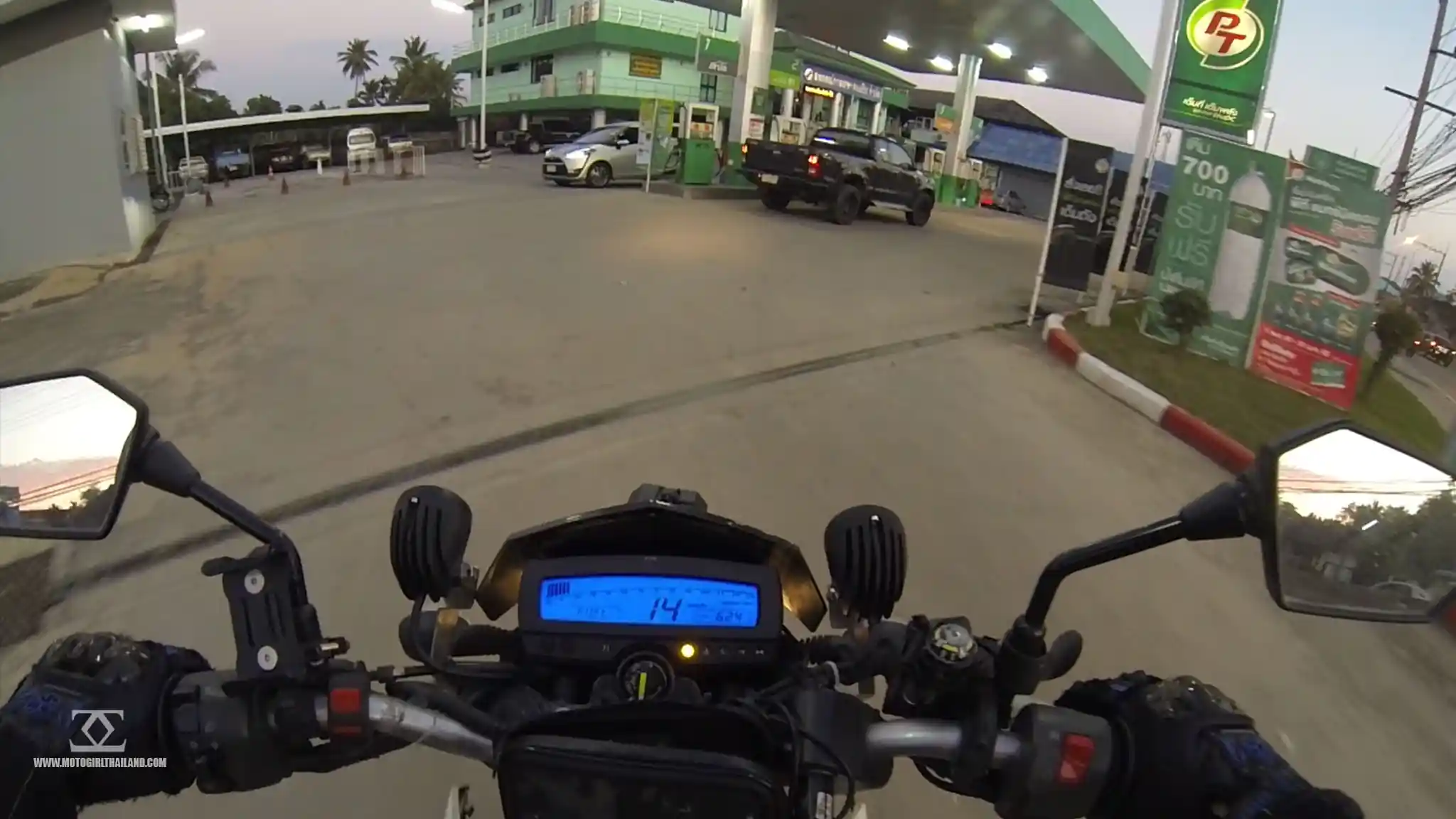
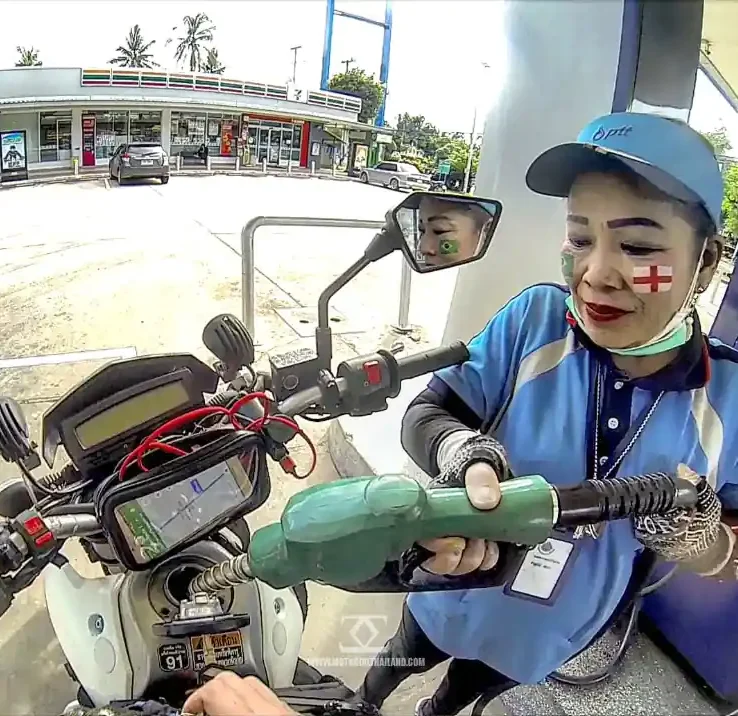
Most petrol stations in Thailand are full service, with attendants pumping the fuel for you. Simply pull up to the pump, tell the attendant how much fuel you want (or ask for a full tank), open your fuel cap, and they’ll take care of the rest. If you want a full tank, you can say “dem thang” (เต็มถัง).
If you’re on a scooter, flip up the seat so they can access the fuel tank and remove the cap. Big bike riders will often stay seated while refuelling. (Yes, there are plenty of reasons why sitting on your bike while refuelling isn’t ideal, but it’s very common in Thailand.)
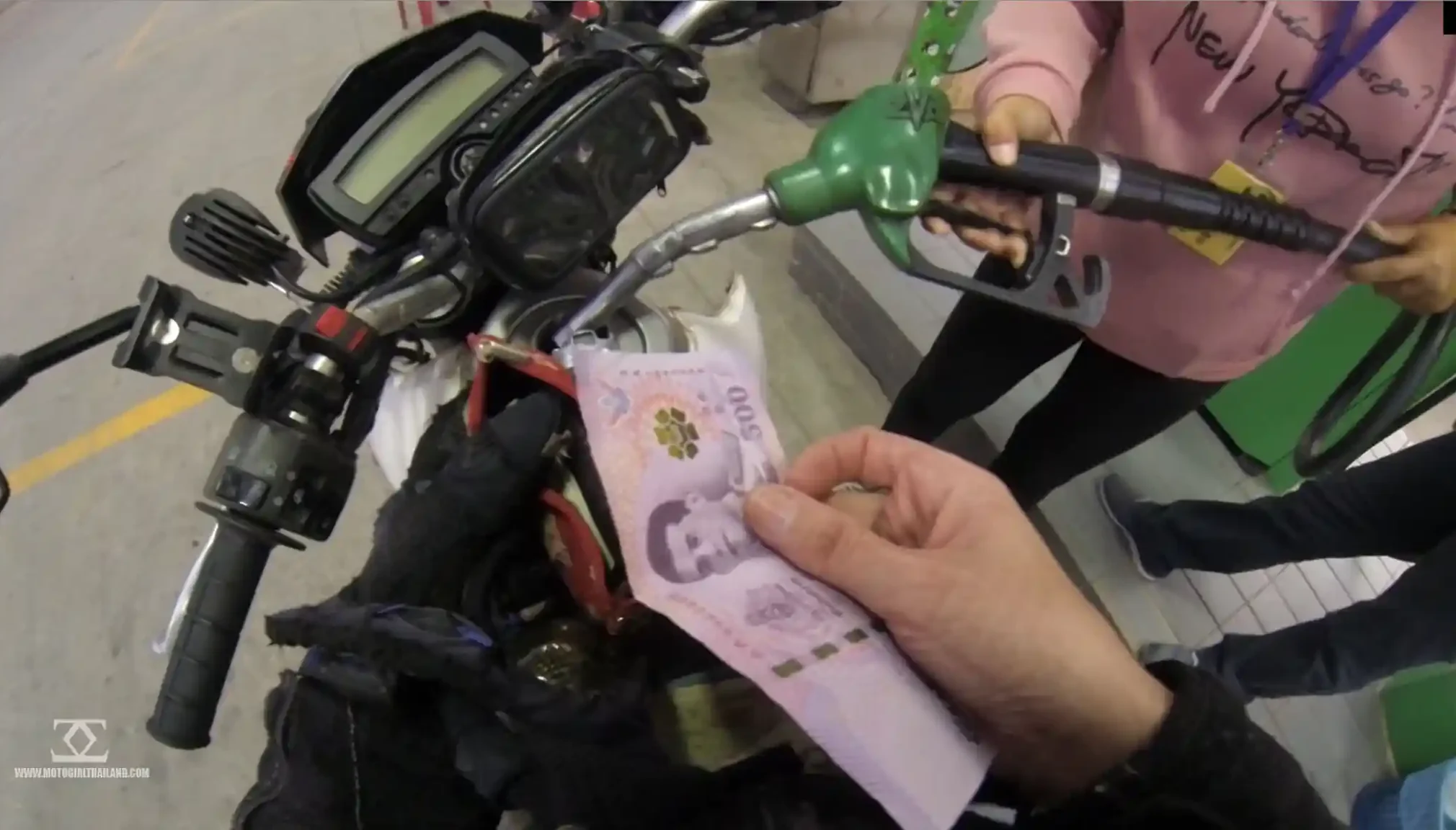
The attendant will tell you the total when they’re finished and give you any change if needed.
*TIP* Petrol station etiquette. It’s polite to switch off your engine while waiting and then push your bike to the pump when it’s your turn. Have your fuel cap open (or your seat lifted on a scooter) so the attendant can start straight away. Once you’ve finished refuelling, pay and then move your bike forward quickly, allowing the next rider to pull in.
Self-Serve. A handful of petrol stations are self-service. Simply park beside the pump, pre-pay at the cashier, then return to your bike and fill up yourself.
Option 2
Option 2: Automated Self-service Fuel Stations
These 24-hour automated fuel stations are dotted all over Thailand, including many rural areas.
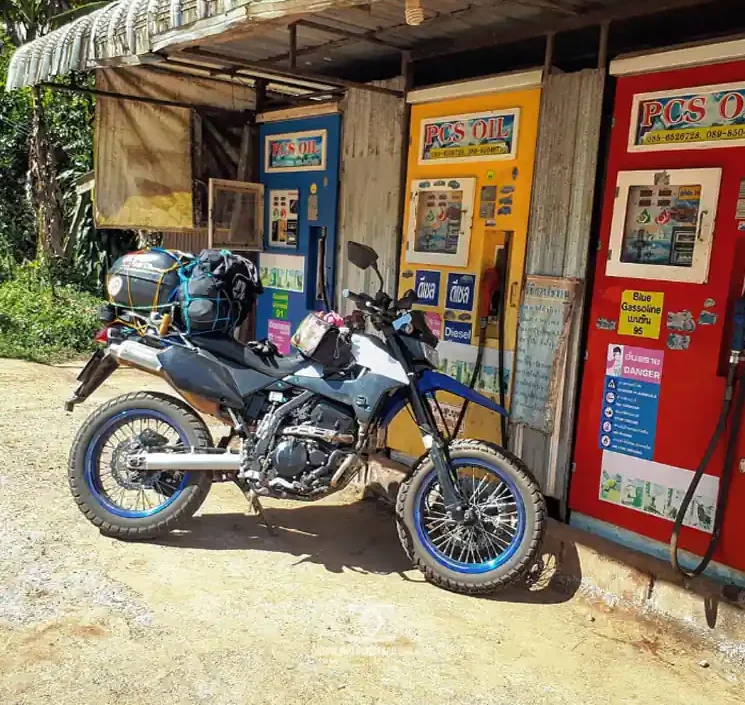
Insert your cash (even small amounts are accepted), place the nozzle into your tank, squeeze the handle, then press the green START button.
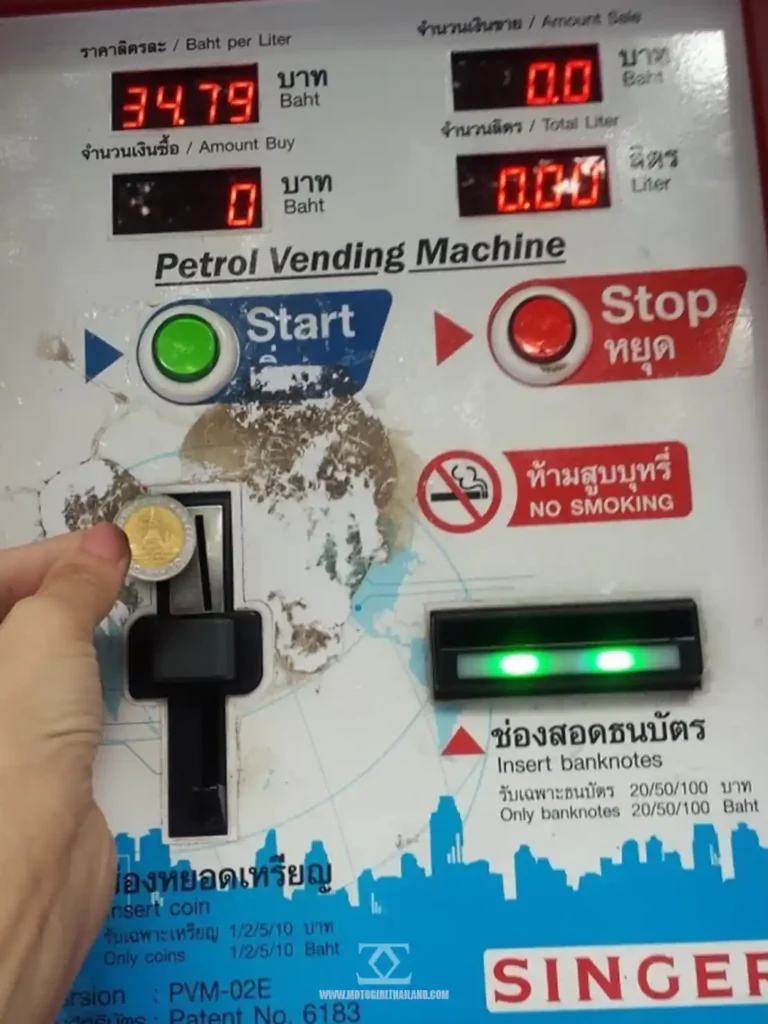
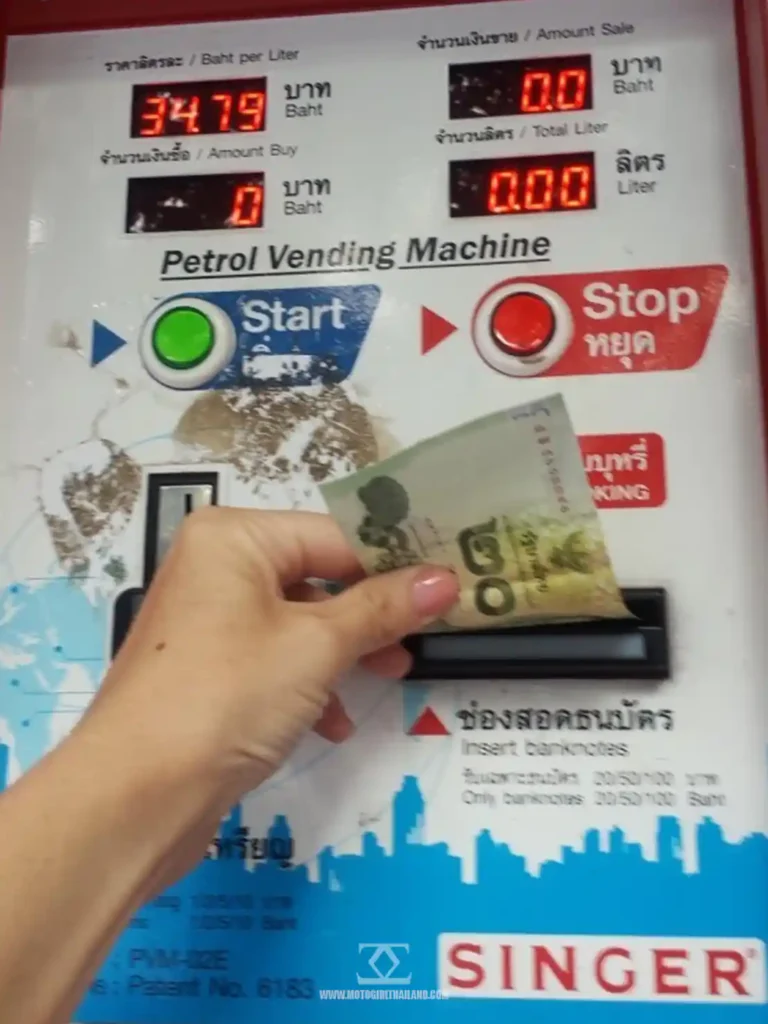
The fuel is a little more expensive than at main garages (so that the local business owner can make a profit), but it is not significant.
*TIP* – Sometimes the machine spits your banknotes back out and refuses to accept them. Simply smooth out the note and try again. Usually it accepts it after a few attempts. Watch my video below, where this happens, along with a step-by-step guide on how to use the machines.
Some machines even have flashing disco lights and play music while you fill up. Thailand never disappoints.
Option 3
Option 3: Local fuel stops
These small family-run fuel stops can still be found throughout rural Thailand, although many have gradually been replaced by automated fuel stations.
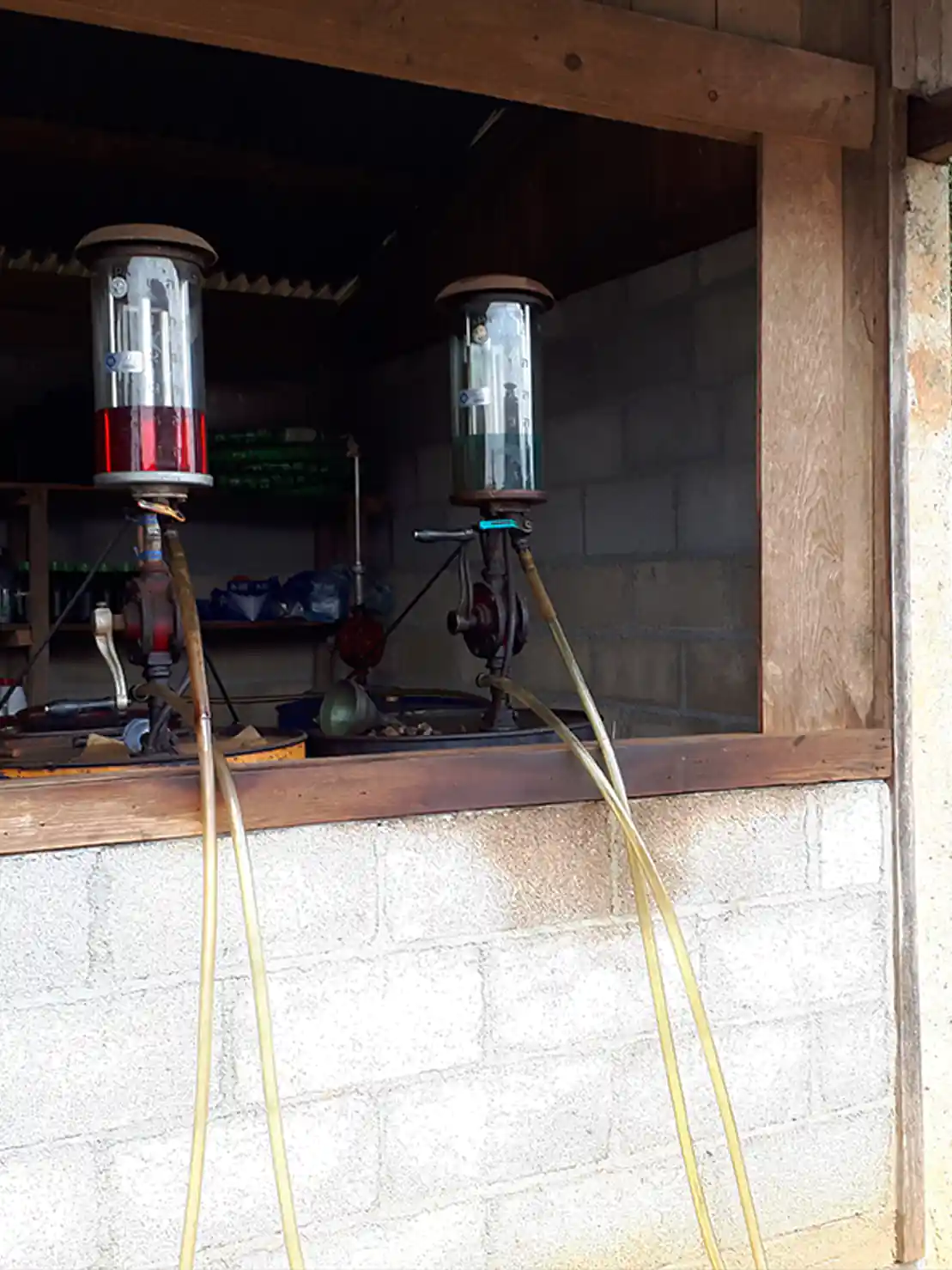
Pull up alongside the tanks and tell the owner how many litres you want. They’ll measure it out and pump it into your bike.
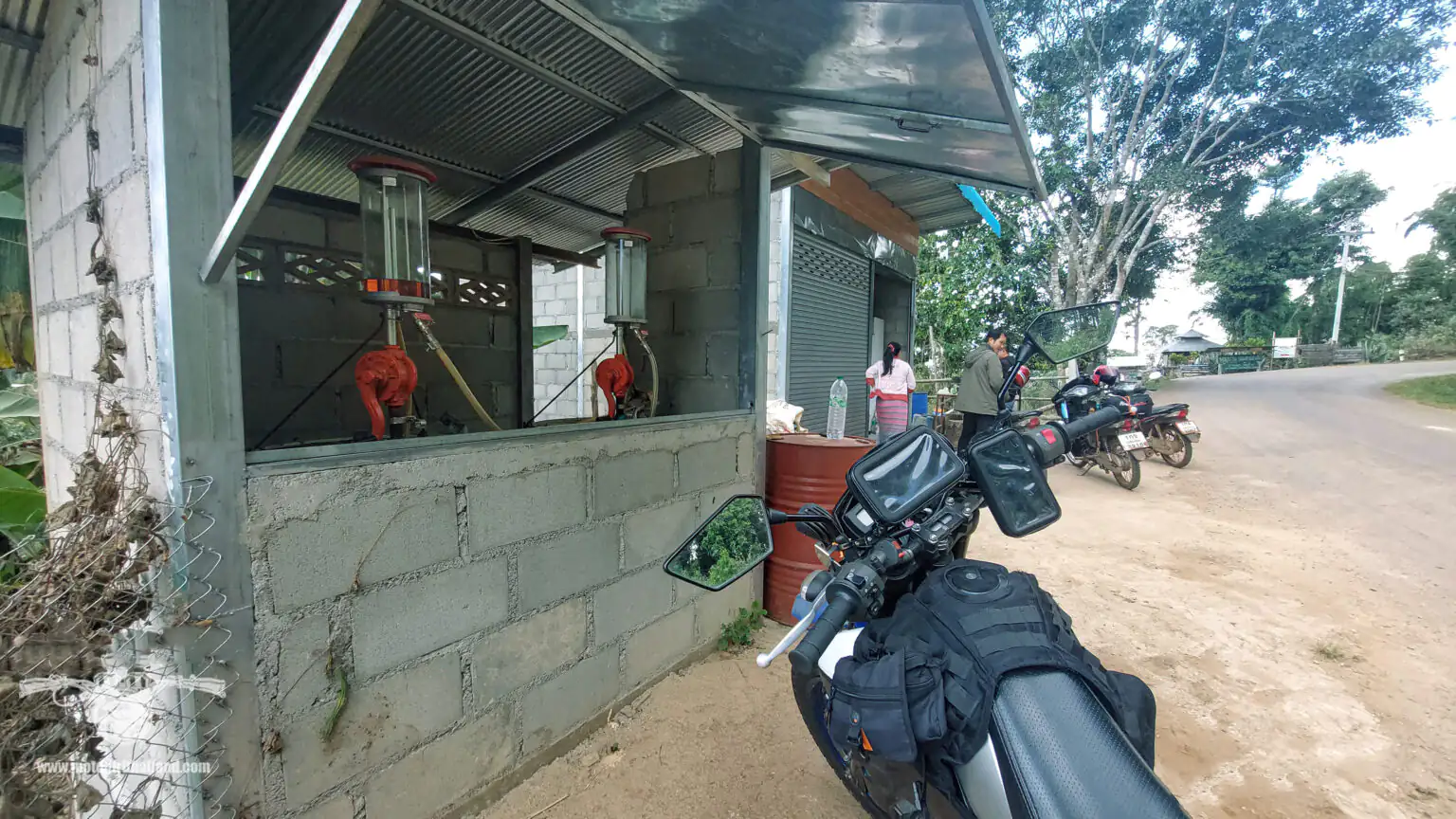
On taller motorcycles, you may need to help hold the hose up slightly so the fuel flows more easily.
Option 4
Option 4: Fuel in Whiskey Bottles
This is one of Thailand’s more iconic sights and a real lifesaver if you get caught short.
Many small roadside shops sell petrol in recycled Hong Thong (or similar) whiskey bottles. It’s usually 95 octane and intended as an emergency option for scooters and motorcycles.
I’ve had to resort to bottle petrol a couple of times over the years, and it’s incredibly useful when you’re miles from the nearest petrol station.
Buy as many bottles as you need, pour them into your tank (or let the shop owner do it), then return the bottles unless you’re taking them with you.
Option 5
Option 5: Carry a Siphon Hose
It’s always worth carrying a siphon hose. They’re inexpensive, take up very little space, and can be stored alongside your emergency tools.
If you ever run out of fuel, you can transfer petrol from another vehicle into your own.
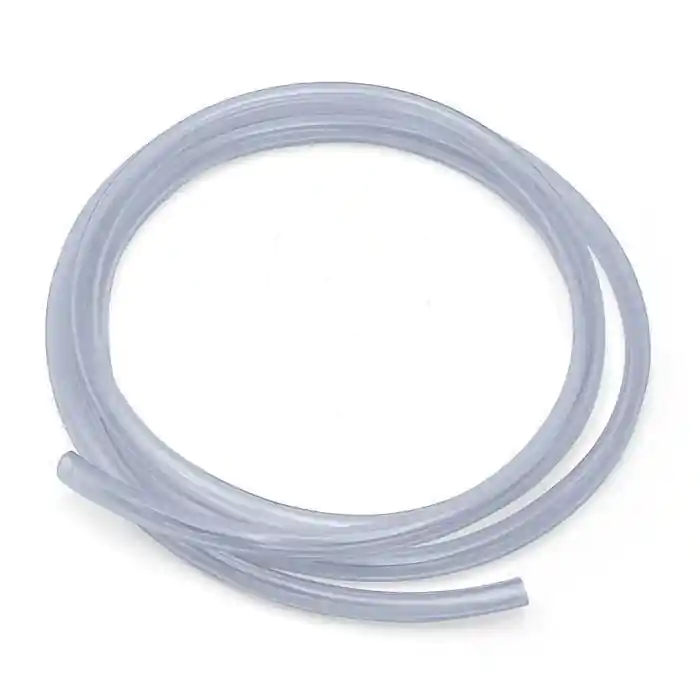
Ideally, the donating vehicle should be positioned higher than the container you’re filling so gravity can do the work. You can siphon directly from one bike to another if necessary, but using a container is much easier.
I really should make my own video showing the technique, but in the meantime, here’s a useful guide from Jennies Garage on YouTube.
Option 6
Option 6: Emergency Options
Fortunately, Thai people are incredibly kind, and if you ever find yourself stranded, there’s a very good chance someone will stop to help. As long as there’s some passing traffic, you’re unlikely to be stuck for long.
If you’re running critically low on fuel, riding smoothly, avoiding hard acceleration, and maintaining momentum can help stretch what’s left in your tank.
Towing is another option, but only if the other rider is experienced, so there’s always some risk involved. A safer alternative is for another rider to gently push your bike with their foot while you remain seated and steer.
Again, I really should make my own video showing this technique, but in the meantime, here’s a helpful demonstration from YouTube vlogger Nerb1.
Public transport can also save the day. If available, ask for a lift to the nearest petrol station or village shop, buy some fuel in a bottle, then return to your bike.
Fuel Issue Stories
Some of My Personal Fuel Stories
1. The Embarrassing Scooter Incident. I once made the rookie mistake of forgetting to check my scooter’s fuel gauge and ran out of petrol on Chiang Mai’s Super Highway late at night. I was preparing to abandon the scooter and walk home when a young Thai couple stopped to ask if I was okay. Slightly embarrassed, I admitted I’d simply run out of fuel. Cue the hilarious sight of three adults squeezed onto one little scooter as they whisked me off to the nearest petrol station. We filled a water bottle with petrol, returned to my stranded scooter, and everyone went away laughing.
I’ve lost count of the number of times Thai people have helped me over the years. It’s one of the things I love most about living here. If someone helps you out, remember to pay it forward whenever you get the chance.
2. Emergency Tow into Pai. This isn’t actually a fuel story, my battery died. But, the same situation could easily happen if you run out of fuel.
Years ago, when the Wat Chan route into Pai was still a dirt road (it’s now fully paved), my bike broke down near the end of the ride. Thankfully, I was able to freewheel onto Route 1095 before coming to a stop. From there, a local on a scooter towed me all the way into Pai to the nearest garage, much to the amusement (or disbelief) of passing foreigners.
3. Rookie Mistake. At a petrol station, I once watched a young tourist complaining that the fuel attendant hadn’t put any petrol into her bike because the fuel gauge hadn’t moved. She didn’t realise the bike needed to be started before the fuel gauge would update. She looked a little embarrassed afterwards, but if you’re new to riding, it’s an easy mistake to make.
Tip
Know Your Range
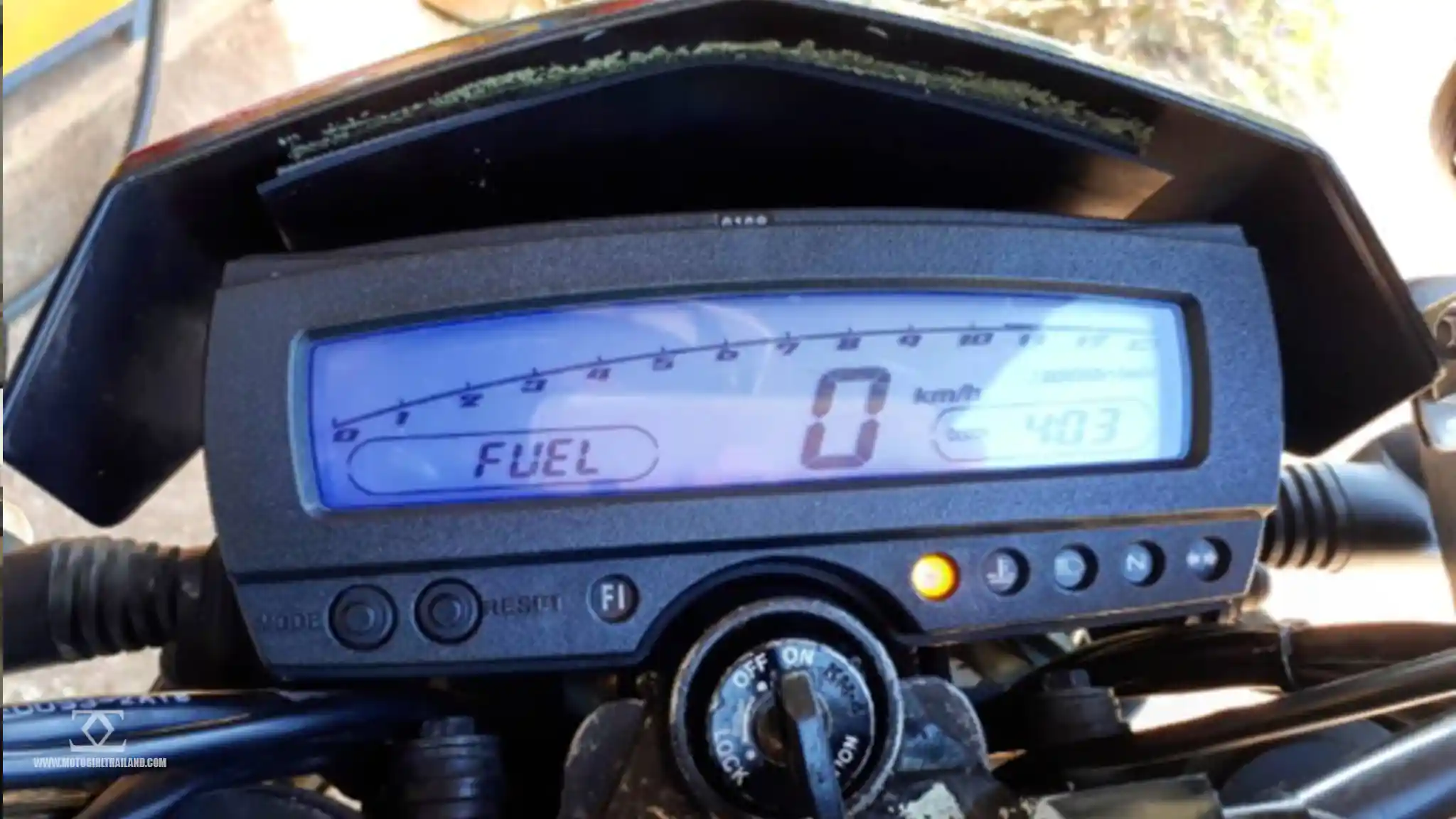
Keep an eye on your fuel level and plan ahead, especially before heading into mountainous or remote areas. Get into the habit of knowing roughly how many kilometres you can travel on a full tank. If your bike doesn’t have a fuel gauge (like mine), simply reset your trip meter every time you fill up so you’ll always know when it’s time to start looking for petrol.
Running out of fuel happens to the best of us. I’ve certainly done it more than once. Fortunately, Thailand is one of the easiest countries in the world to recover from it, thanks to the number of fuel options available and, more importantly, the kindness of the people.
I hope you found the guide useful, if so, drop a comment and if you have questions I haven’t covered, or if you have your own fuel story to share, drop them in the comments below.