Riding a Motorcycle in Thailand’s Cool Season – A Beginner’s Guide
Riding a Motorcycle in Thailand’s Cool Season – Motorcycle riding in Northern Thailand offers some of the most rewarding routes in the country, from quiet countryside roads to winding mountain passes. Whether you’re planning your first day ride from Chiang Mai or a longer motorcycle adventure, understanding the local riding conditions, seasonal weather and practical requirements can make all the difference.
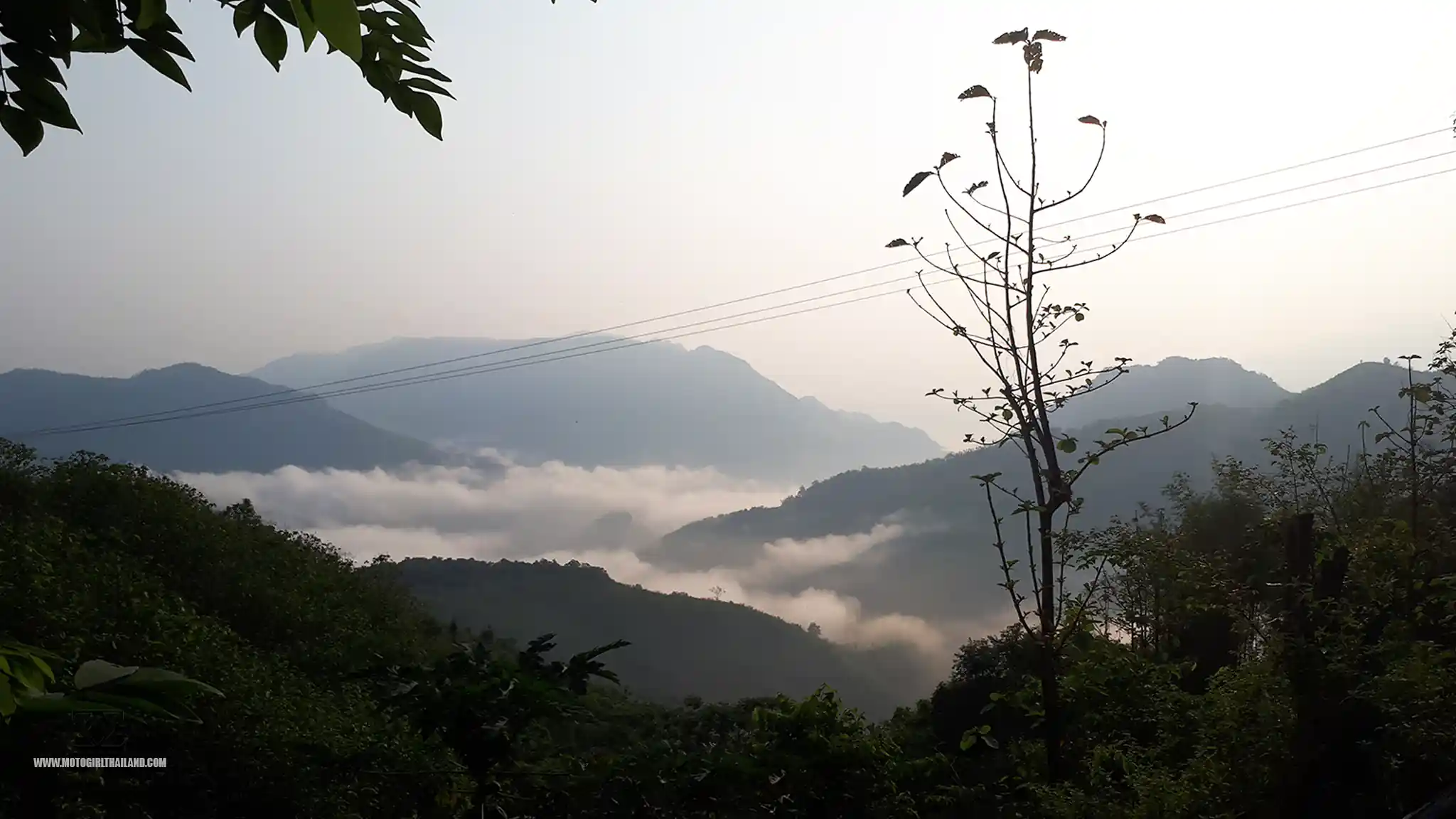
The northern winding mountain roads, beautiful scenery and generally pleasant temperatures, makes this one of the most popular times of year to explore on two wheels. But if you’re imagining Thailand as permanently hot and sunny, you might be in for a few surprises!
Having lived in Thailand for over 20 years and ridden more than 150,000 kilometres exploring its roads and backroutes, I’ve experienced just about every kind of weather the country can throw at a rider.
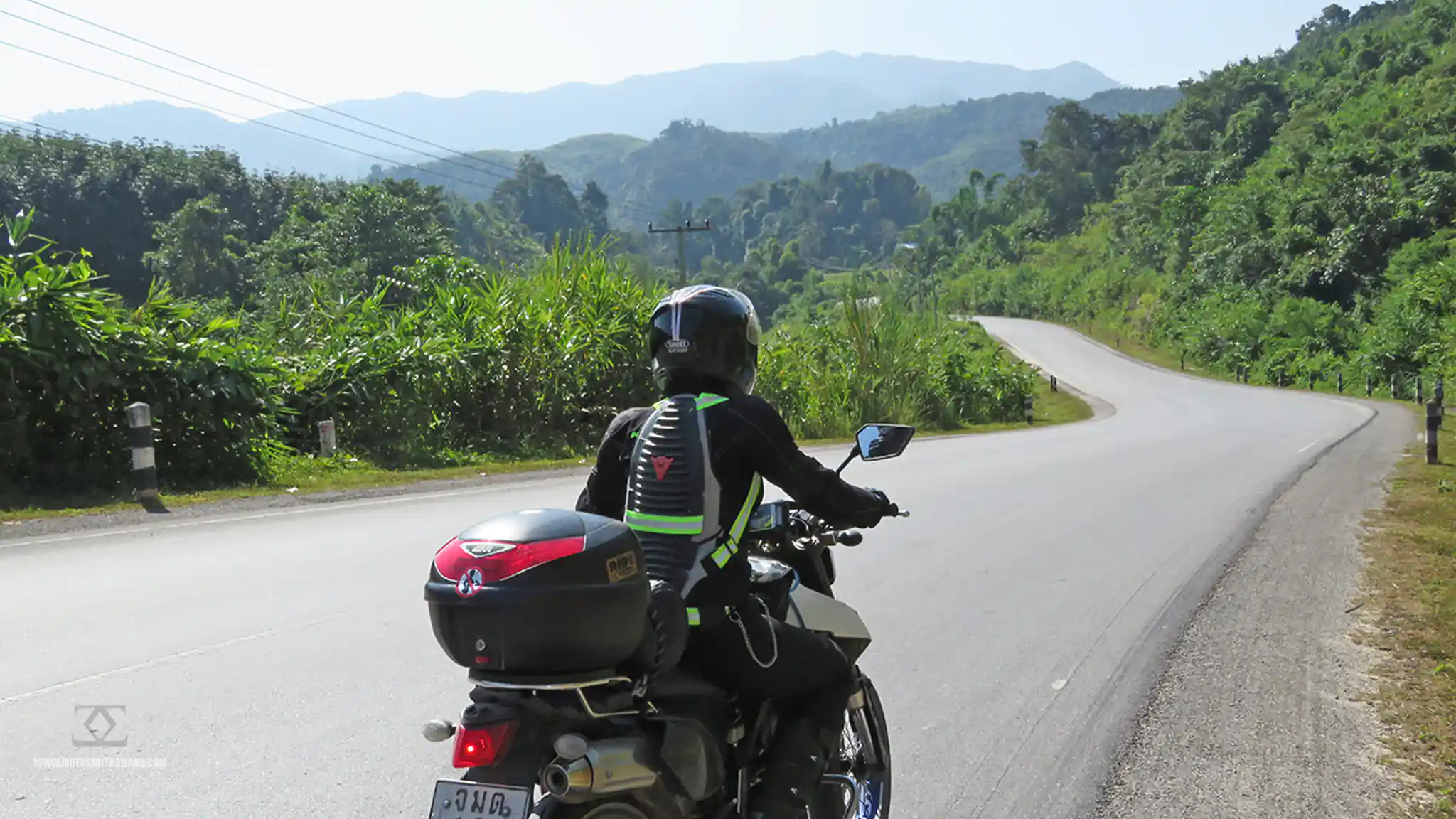
And although the cool season is one of my favourite times to ride, there are a few things worth knowing before setting off, particularly if you’re unfamiliar with Thailand’s roads. Here’s my guide to what you can expect, what to pack and how to prepare.
Click to close
Contents
Is Northern Thailand a good place for motorcycle riding?
Yes. Northern Thailand is one of the most popular regions in the country for motorcycle touring, thanks to its winding mountain roads, scenic viewpoints, rural villages and varied landscapes. There are routes suitable for different experience levels, from relaxed countryside rides to more demanding mountain roads.
What is the best time of year to ride a motorcycle in Northern Thailand?
The cool season, generally November to February, is popular because temperatures are more comfortable and rainfall is usually lower. However, mountain mornings can be surprisingly cold. The hot season, particularly March and April, can be uncomfortable for longer rides, while the rainy season brings lush scenery but also wet roads and reduced visibility. Air pollution and agricultural burning can also affect conditions, particularly during the late dry season.
Do I need a motorcycle licence to ride in Thailand?
Yes. You need a valid motorcycle licence appropriate for the motorcycle you’re riding. Visitors generally also need an International Driving Permit (IDP), where required, alongside their home-country licence.
What are the signs of heat exhaustion?
Common symptoms include: excessive sweating, dizziness, headache, muscle cramps, nausea, weakness, confusion. If symptoms worsen or stop sweating altogether, seek shade immediately and cool down, as this may indicate heat stroke. A car-only licence is not sufficient for riding a motorcycle or scooter in Thailand. Check the requirements for your nationality and ensure your insurance covers motorcycle riding.
Can I rent a motorcycle in Chiang Mai?
Yes. Coconut water naturally contains electrolytes and can help replace minerals lost through sweating, although plain water should still remain your primary source of hydration.
Is it safe to ride a motorcycle in Thailand during the hot season?
Yes. Chiang Mai has numerous motorcycle rental shops offering everything from small automatic scooters to larger touring and adventure motorcycles.
What is the hottest time of day to ride in Thailand?
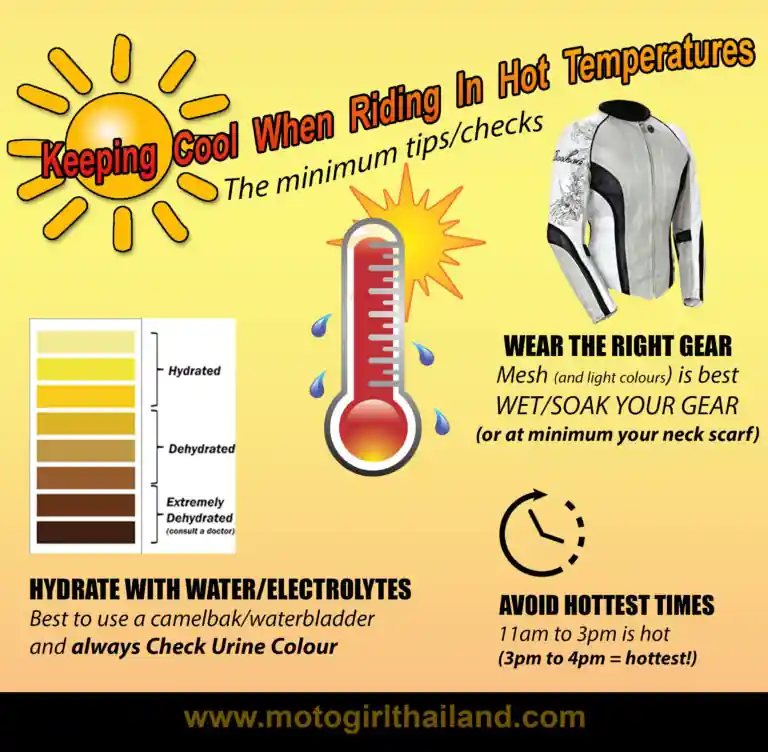
Although many people assume midday is the hottest, temperatures often peak between 3:00 pm and 4:00 pm. Whenever possible, plan longer rides for early morning or late afternoon to avoid the most intense heat. Availability, prices, insurance arrangements and motorcycle condition vary between operators. During the busy cool season, it’s worth booking popular models in advance.
What motorcycle is best for riding in Northern Thailand?
That depends on your experience, confidence and intended route. A 125–160cc scooter can be suitable for shorter rides and easier routes, while a 300–500cc motorcycle may offer greater comfort and flexibility for longer mountain journeys. Larger touring and adventure motorcycles are also available for experienced riders. Choose a motorcycle you can handle comfortably rather than simply opting for the biggest engine.
Are the mountain roads in Northern Thailand dangerous?
Many of the main mountain routes are well surfaced, but steep gradients, tight bends, changing weather and unexpected hazards require concentration. You may encounter gravel, potholes, animals, agricultural vehicles or slippery surfaces, particularly on smaller rural roads. Ride within your ability, avoid rushing and allow extra time for unfamiliar routes.
Can beginners ride the Mae Hong Son Loop?
The Mae Hong Son Loop is famous for its numerous bends and mountain scenery, but it isn’t necessarily the best choice for someone with very limited riding experience. Riders should already feel confident with cornering, braking, steep gradients and sustained mountain riding. Less experienced riders may prefer to begin with shorter routes around Chiang Mai before attempting a multi-day loop.
What should I wear when riding a motorcycle in Northern Thailand?
A properly fitting helmet, protective jacket, gloves, long trousers and sturdy footwear are recommended. Even when the weather is hot, protective clothing is important. During the cool season, an additional windproof or warm layer can make a considerable difference, particularly at higher elevations.
What should I carry on a motorcycle day ride?
Useful essentials include drinking water, snacks, a charged phone, a power bank, offline maps, basic first-aid supplies, cash, your driving documents and a lightweight waterproof layer. If you’re travelling on remote mountain roads, let someone know your intended route and expected return time. Check your fuel level before heading into less populated areas.
Is it safe to ride a motorcycle in Northern Thailand during the rainy season?
Motorcycle riding is possible during the rainy season, but additional care is needed. Heavy rain can reduce visibility and make road surfaces slippery. Mountain roads may also be affected by debris, flooding or landslides. Check local conditions, avoid riding through floodwater and be prepared to change your plans if the weather deteriorates.
Can I use Google Maps for motorcycle routes in Northern Thailand?
Google Maps is useful for general navigation, but it doesn’t always distinguish between suitable paved roads and smaller tracks that may be inappropriate for your motorcycle or riding experience. Google Maps is useful for general navigation, but it doesn’t always distinguish between suitable paved roads and smaller tracks that may be inappropriate for your motorcycle or riding experience.
Do I need motorcycle insurance when riding in Thailand?
You should ensure you have appropriate insurance covering motorcycle riding, including medical expenses and accidents. Basic compulsory insurance associated with a Thai-registered motorcycle provides limited statutory cover and should not be confused with comprehensive motorcycle or personal travel insurance. Rental agreements and insurance policies can contain exclusions, so check the details before riding.
1. When Is Thailand’s Cool Season?
Thailand Cool Season Period
Thailand generally has three seasons: hot, rainy and cool. The cool season typically runs from November through February, although temperatures and weather patterns vary considerably depending on where you are.
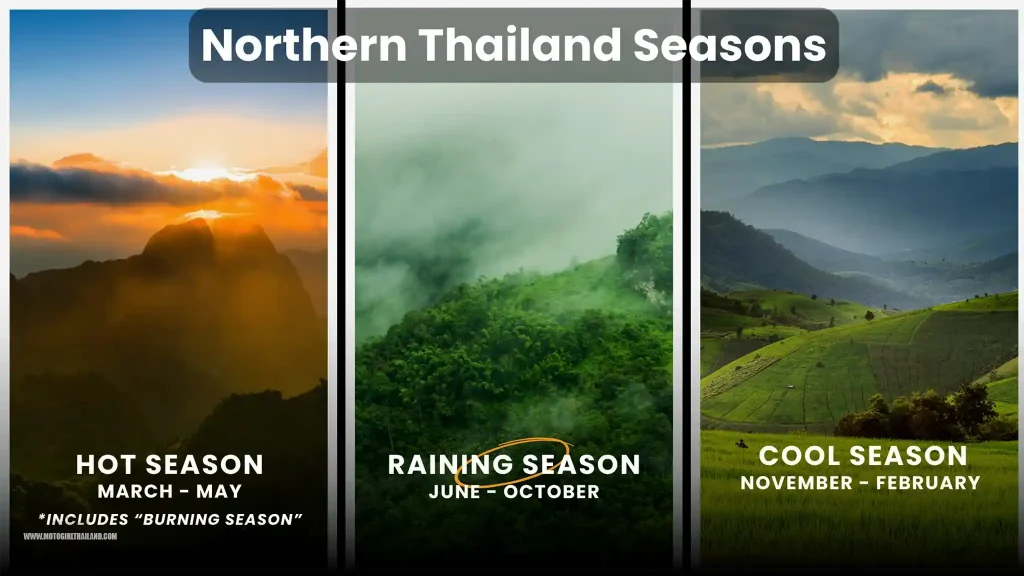
If you’re travelling to Northern Thailand, particularly Chiang Mai, Chiang Rai, Mae Hong Son or Nan, you’ll experience some of the country’s most noticeable seasonal temperature changes.
Northern Temperatures
In the north, daytime temperatures often remain pleasantly warm, usually in the mid-to-high 20s Celsius. However, early mornings and evenings can be much cooler, and once you head into the mountains, temperatures can drop considerably.
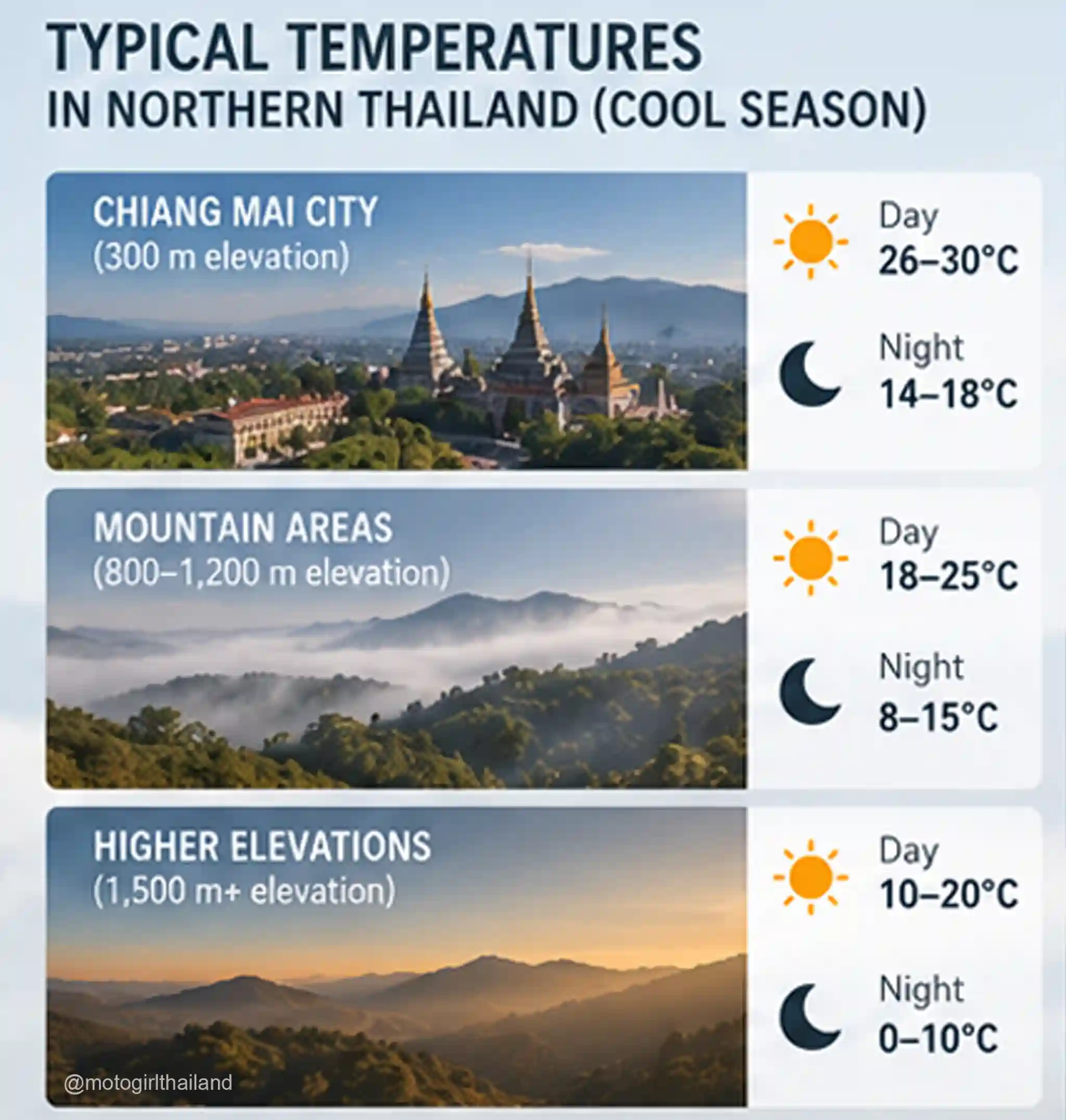
At higher elevations, temperatures can occasionally fall close to freezing, particularly around December and January. Yes, Thailand really can get that cold!
2. What Should You Wear?
Motorcycle Gear For Cool Season
If you’re renting a motorcycle in Thailand, you might be tempted to pack lightweight clothing and assume that will be sufficient. For short journeys around town, the weather might feel warm enough. However, riding in the mountains is a different matter.
Even when the air temperature is relatively mild, the wind created by travelling at speed can make you feel considerably colder. A 15°C morning might feel pleasant when you’re walking around, but after an hour on a motorcycle, you may be wishing you’d brought something warmer.
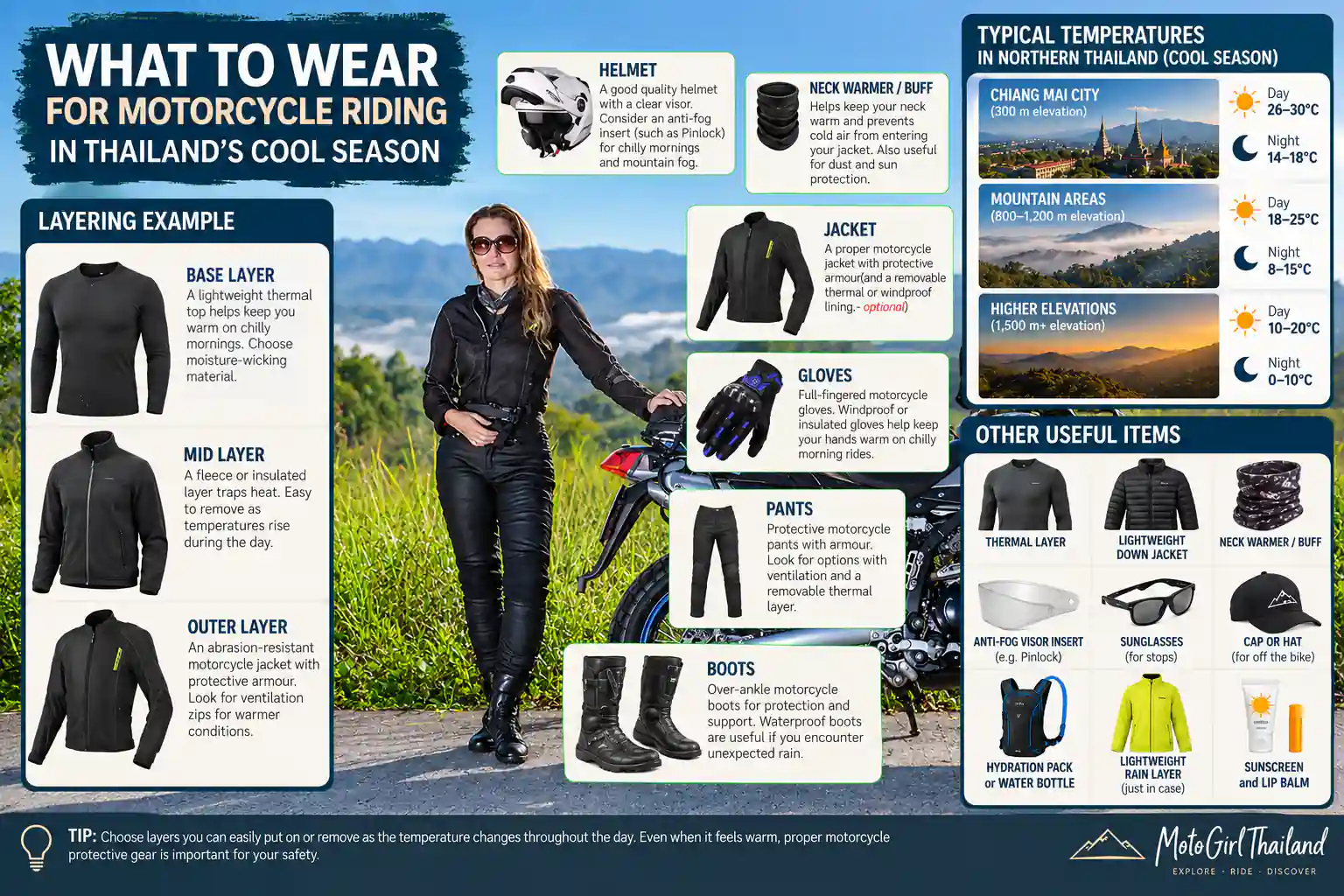
I recommend packing:
Layers are particularly useful because the temperature can change significantly throughout the day. You might begin your ride in chilly mountain air and finish in warm sunshine.
3. Be Prepared for Mountain Roads
Northern Thailand Mountains
Northern Thailand is famous for its mountain roads, particularly routes such as the Mae Hong Son Loop.
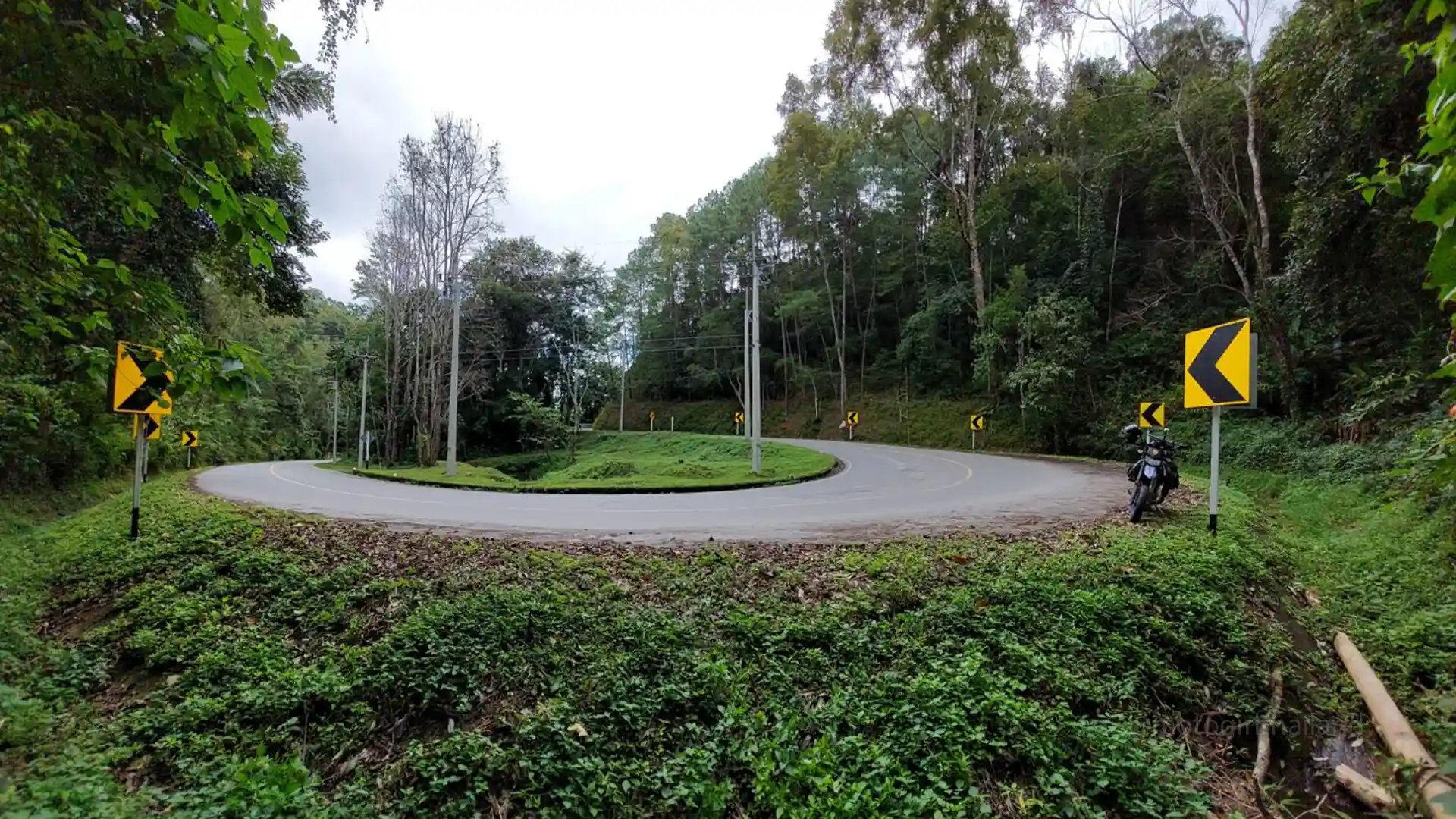
If you’re new to riding in Thailand, you may be surprised by just how twisty some of these roads are. Expect steep climbs, long descents, tight hairpin bends and occasionally uneven road surfaces.

Some routes are beautifully maintained, while others can be narrow, rough or affected by previous heavy rainfall. You may also encounter loose gravel, mud, fallen leaves and damp patches, particularly on shaded corners.
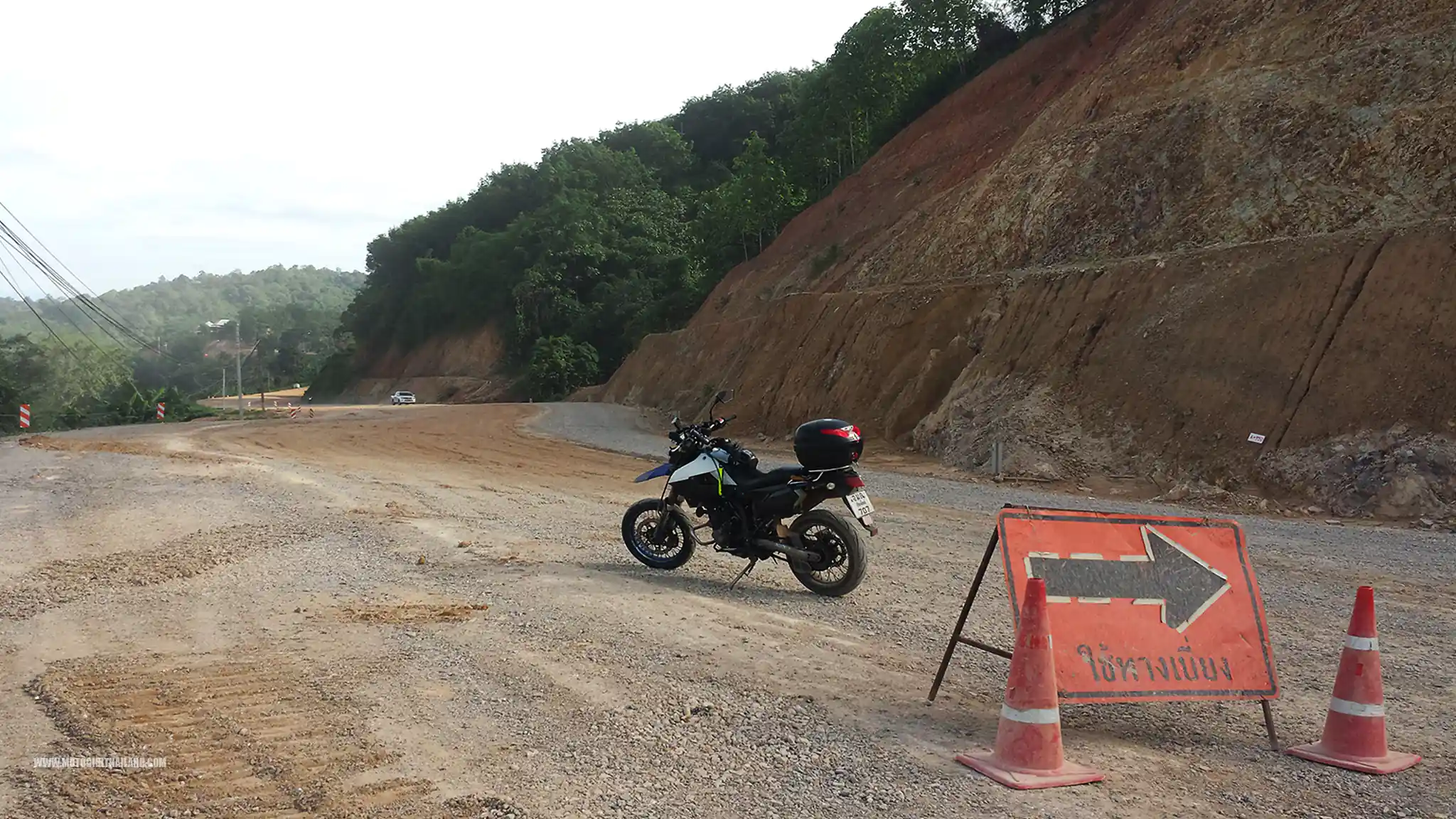
Although cool season is generally drier than rainy season, it doesn’t mean every road will be in perfect condition. If you’re unfamiliar with mountain riding, don’t try to keep up with more experienced riders.
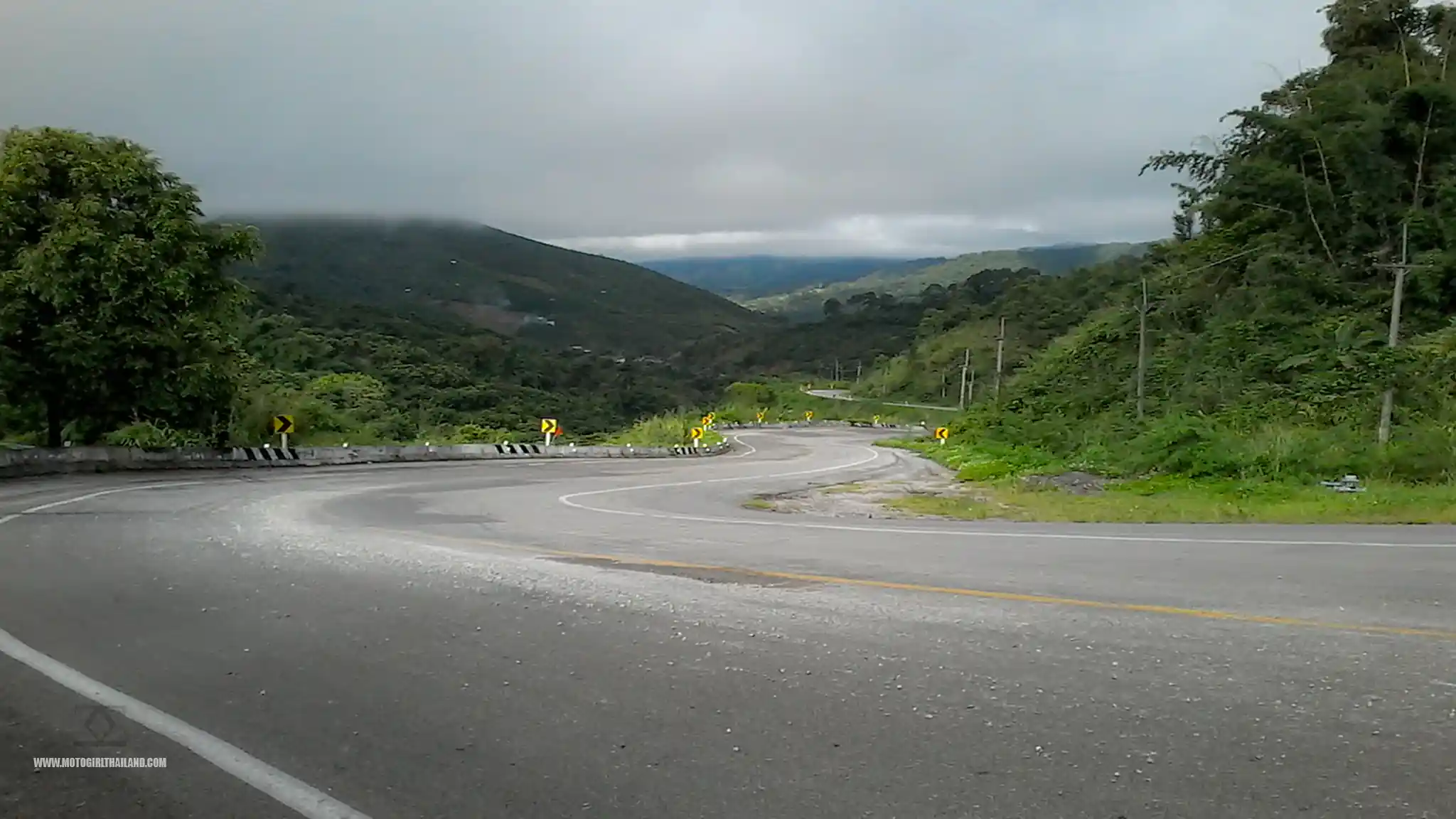
Take corners at a speed that allows you to stop safely within the distance you can see ahead, and be prepared for unexpected hazards.
4. Weather Hazards
Morning Fog Can Be Surprisingly Thick
One of Northern Thailand’s most beautiful cool-season sights is the mist that settles over mountain valleys in the early morning. However, it’s not always quite so romantic when you’re riding through it!
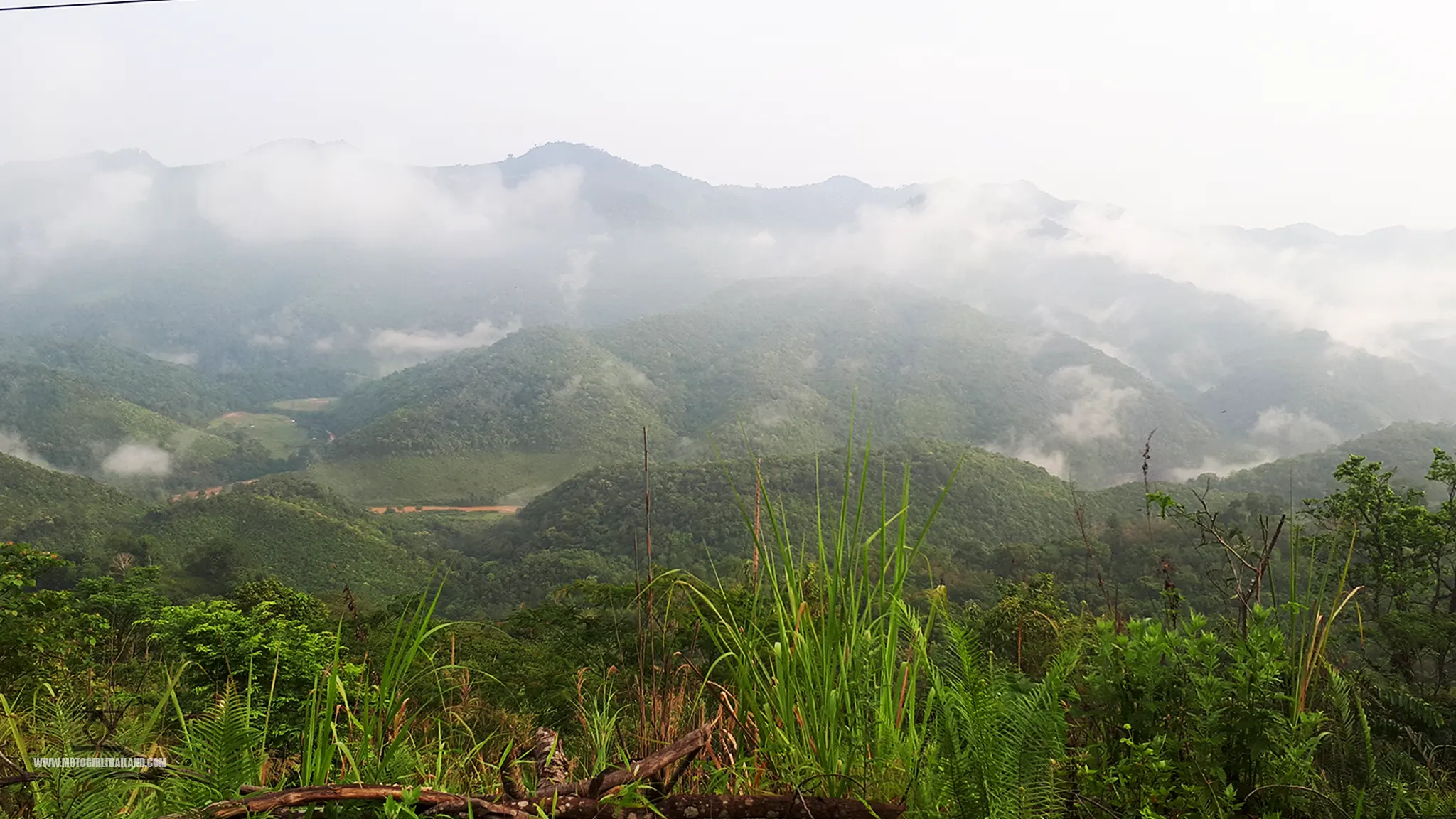
Fog can reduce visibility considerably, particularly on mountain roads where conditions change with elevation. You may ride through clear sunshine one moment and encounter thick mist around the next bend.
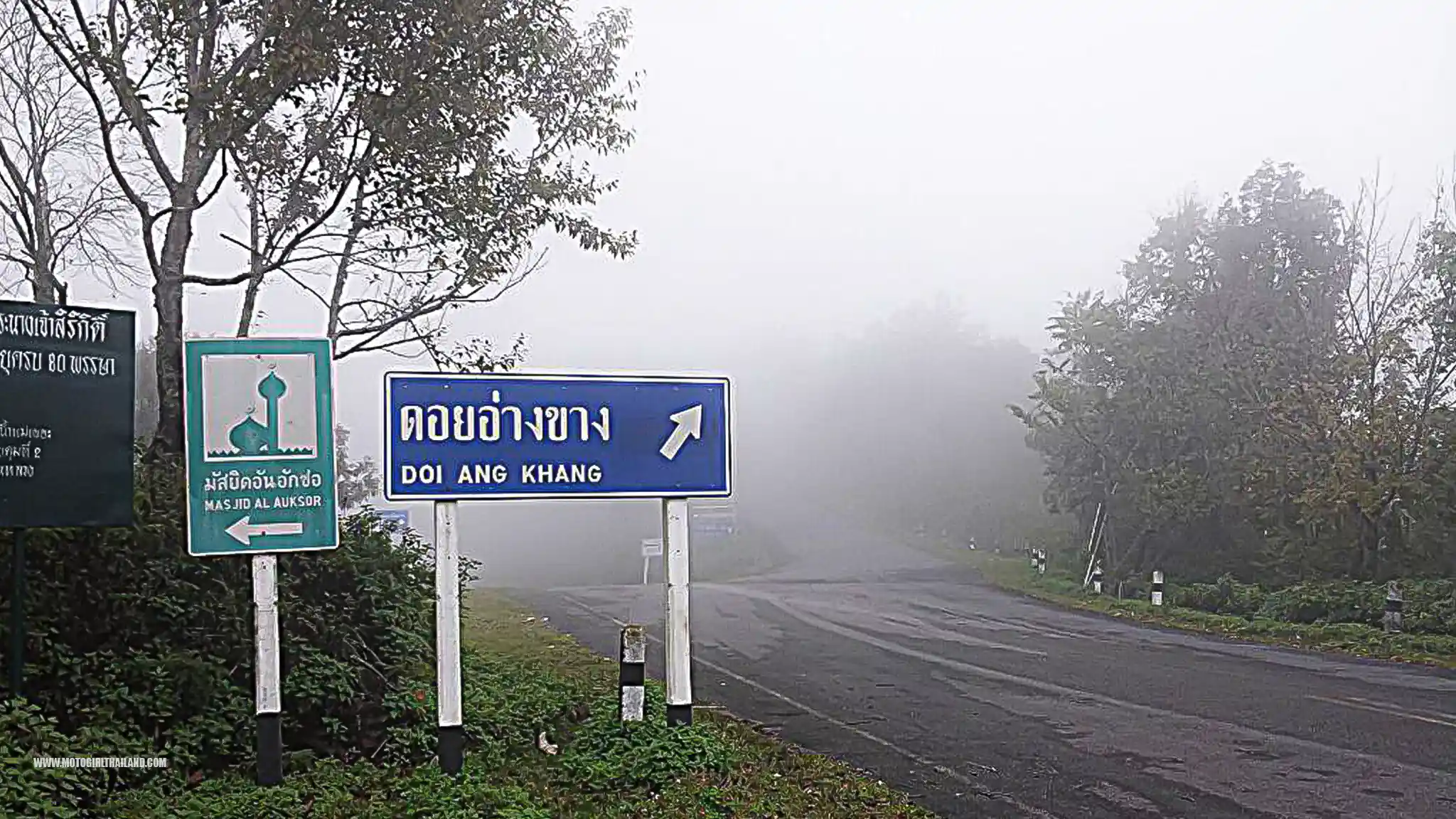
When riding in fog:
Your helmet visor may also fog up due to condensation, especially when the outside air is cold. An anti-fog visor insert, such as a Pinlock, can help.
5. Thailand Traffic
Understand How Traffic Works in Thailand
If this is your first time riding in Thailand, you’ll need to become familiar with local road conditions and driving habits. First of all, Thailand drives on the left. If you’re arriving from a country where traffic drives on the right, allow yourself time to adjust.

You should also be prepared for:
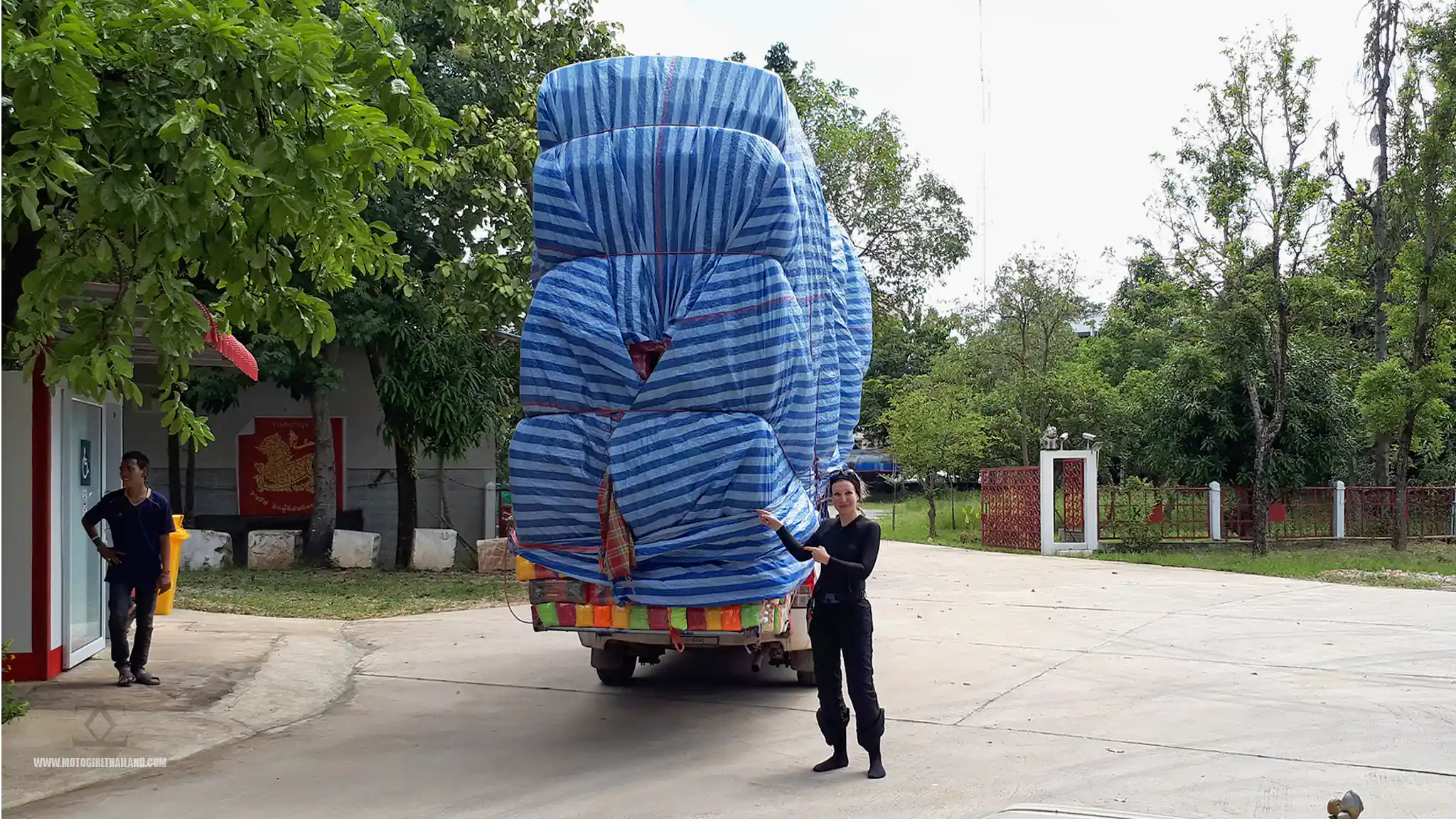
On rural routes, it’s not unusual to encounter dogs, chickens, cattle or other animals near the roadside. Don’t assume a quiet road is necessarily hazard-free.
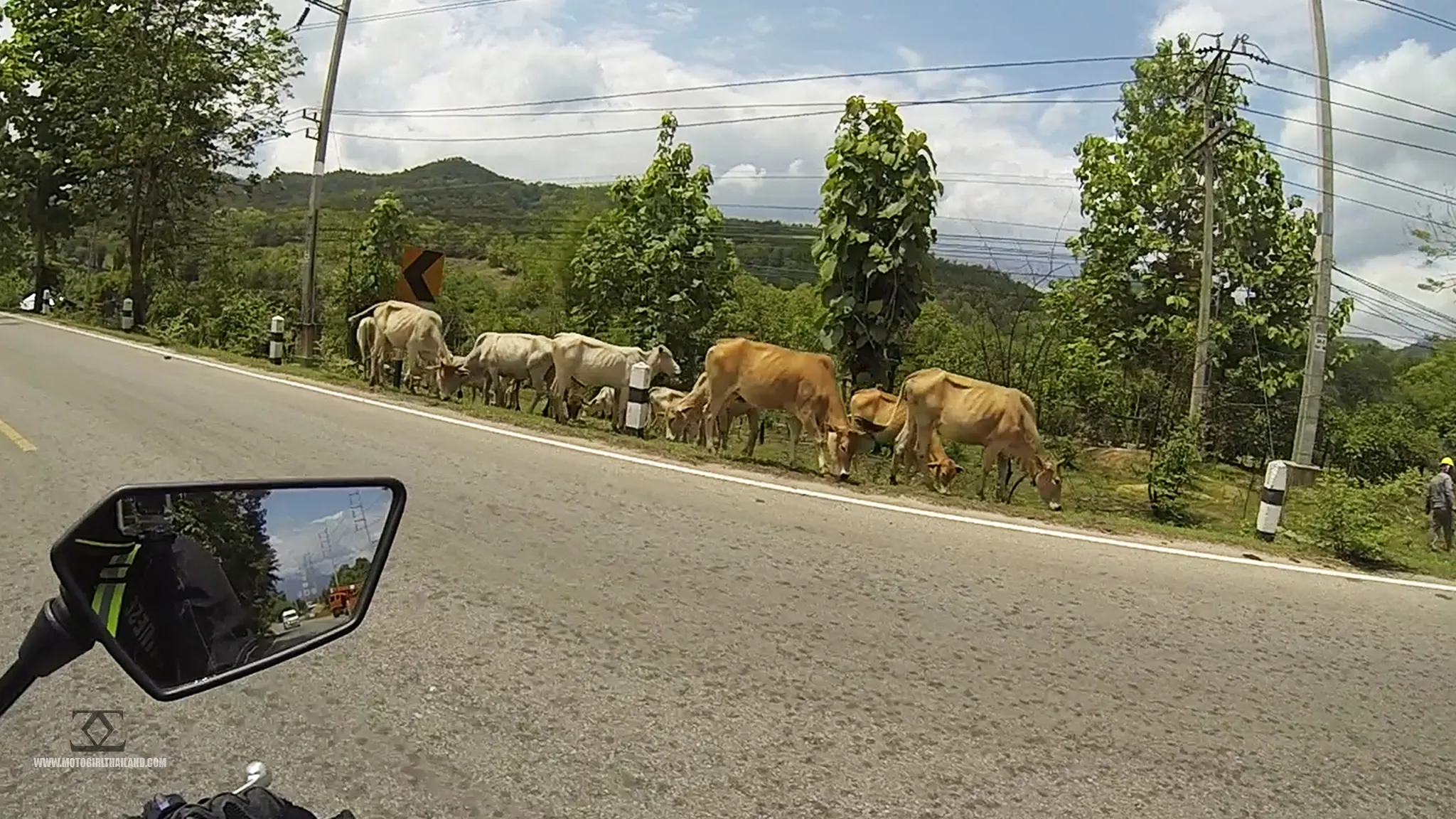
And remember, a motorcycle indicator doesn’t guarantee that another driver will turn, or that a driver without an indicator won’t!
6. Route Planning
Plan Your Route Before Setting Off
Thailand has some fantastic motorcycle routes, but distances can be deceptive. A journey of 150 kilometres on winding mountain roads can take considerably longer than the same distance on a straight highway.
Google Maps estimates can be optimistic when you’re unfamiliar with the terrain, especially once you factor in viewpoints, photographs, meals and fuel stops. I recommend planning shorter daily distances if you’re new to riding in Northern Thailand. Around 150–200 kilometres can be a comfortable starting point for a sightseeing day, although the appropriate distance depends on your experience, the route and the road conditions.
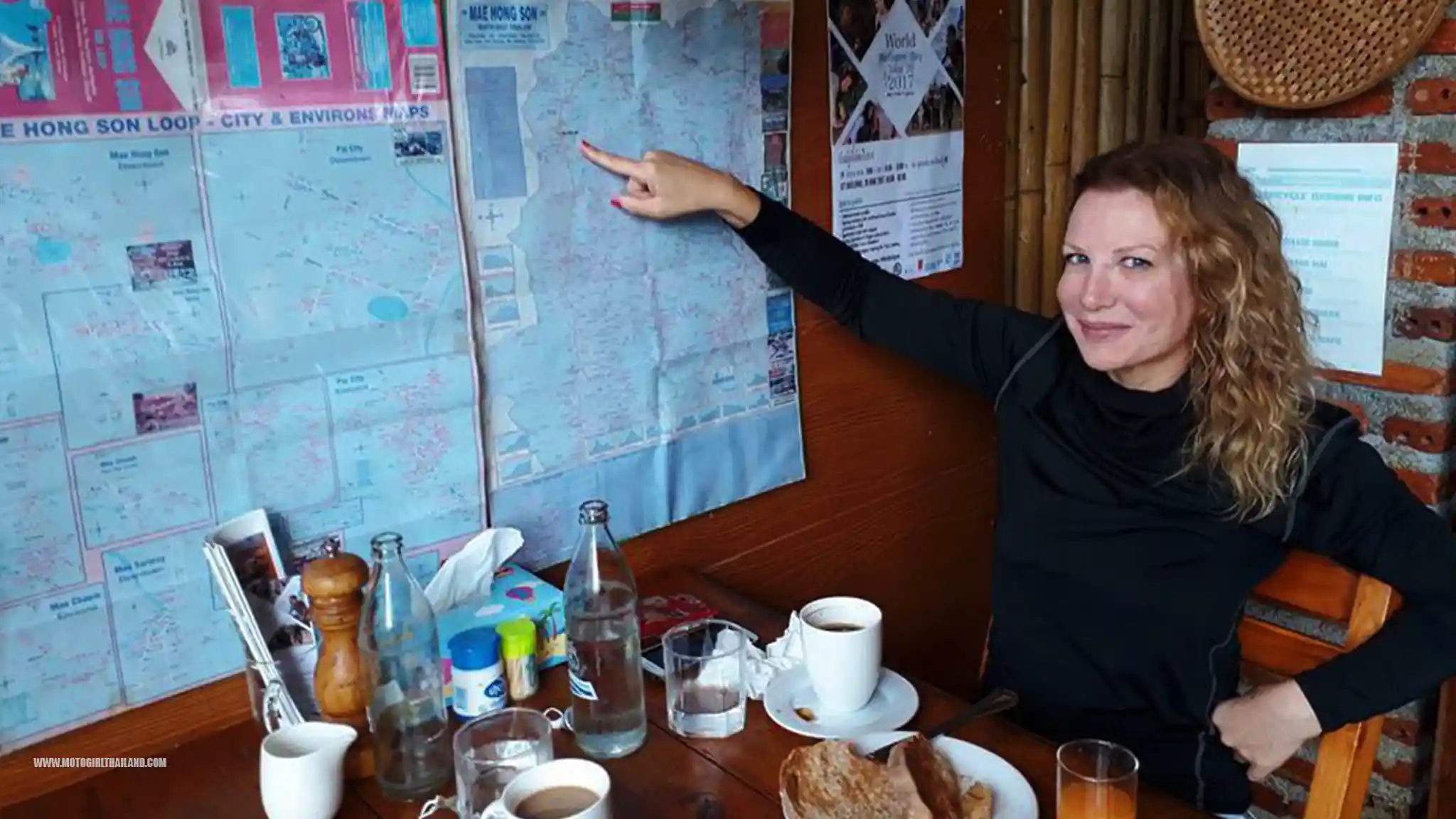
It’s also worth buying a paper map or downloading offline maps before travelling through remote areas, as mobile reception can be unreliable in some mountain locations.
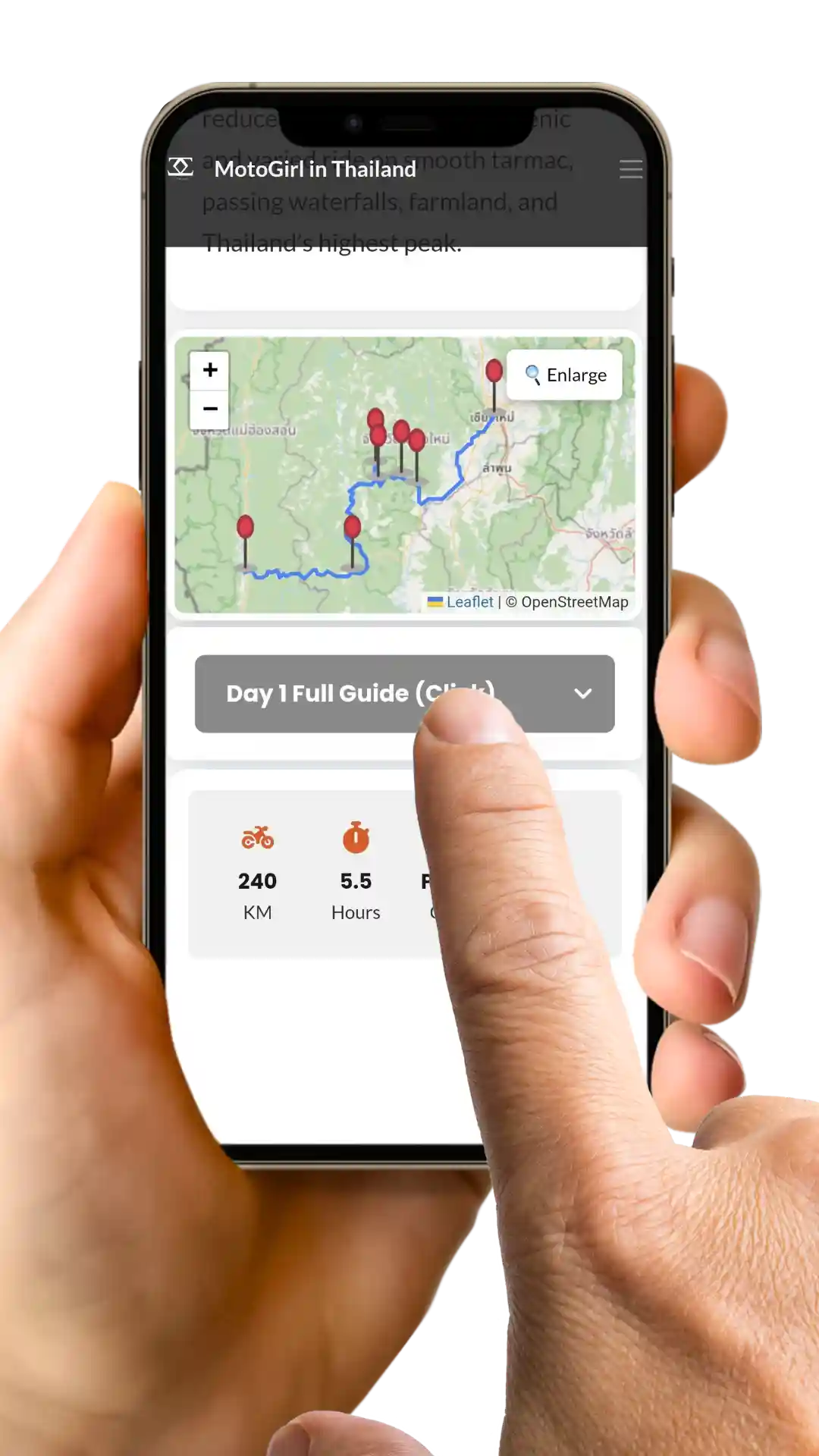
Note: MotoSplore/MotoGirl Guides accurately estimate the time it takes, and includes cafes, viewpoints, eatieries and accommodation stops. View guides in the MotoGirl Shop page.
7. Motorcycle Options
Choosing and Renting a Motorcycle
If you’re planning to rent a motorcycle in Thailand, choose something suitable for your experience and intended route. You don’t necessarily need a large motorcycle to enjoy Northern Thailand. In fact, smaller, lighter motorcycles can be particularly enjoyable on narrow, winding roads.
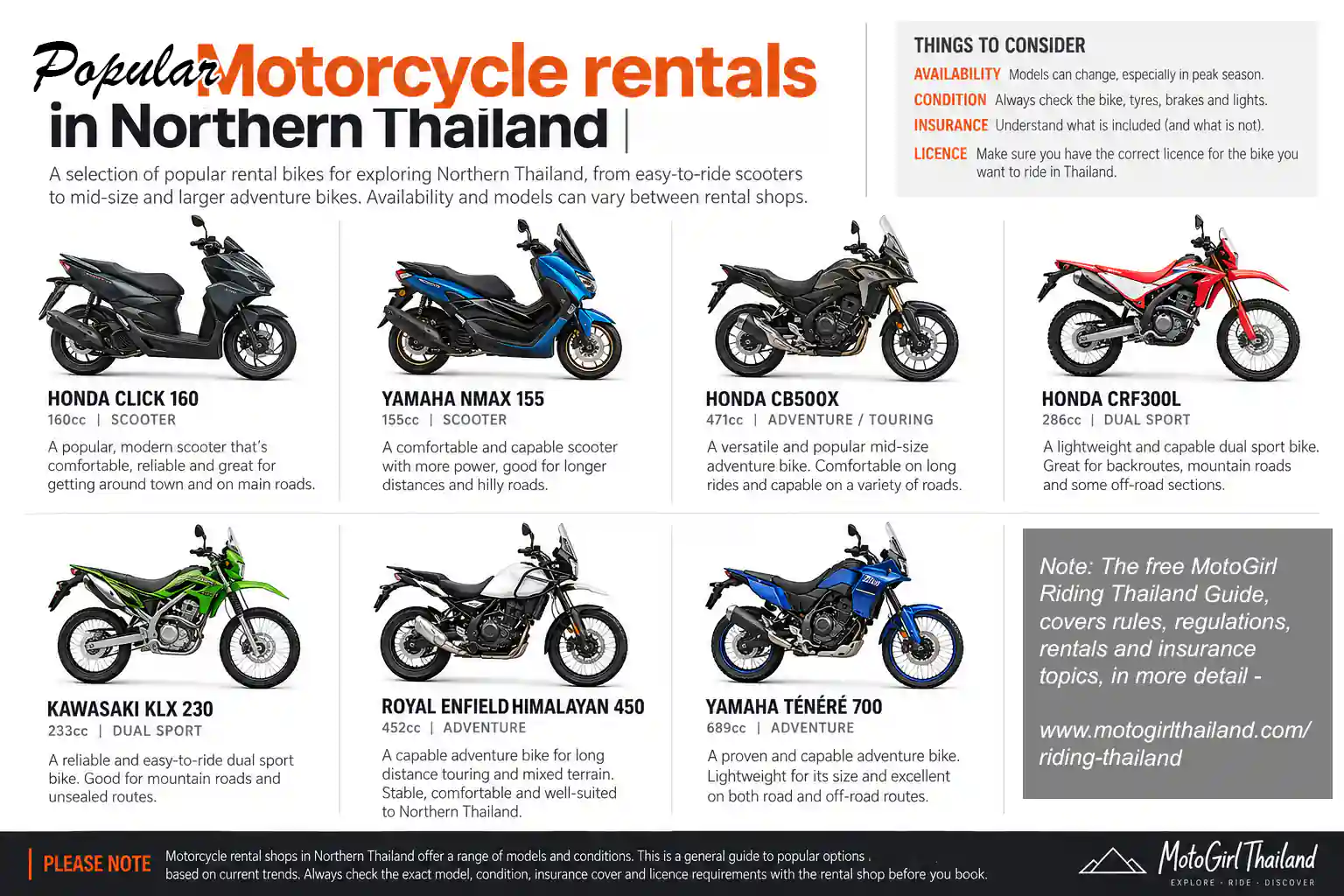
Before accepting a rental bike, check:
Take photographs or a video of the motorcycle before leaving the rental shop. Make sure you understand the rental terms, insurance arrangements and what happens if the motorcycle breaks down.
You’ll also need the appropriate motorcycle licence, including a valid International Driving Permit where required, and insurance that covers your riding activities.
9. Riding Preparation
Don’t Forget About Hydration and Sun Protection
Cooler weather doesn’t mean you can forget about drinking water. You may not feel as hot or sweaty as you would during Thailand’s hot season, but dehydration can still become a problem.
Long hours riding in dry air and sunshine can leave you feeling tired, particularly if you’re not drinking regularly. Carry water and take breaks throughout the day. A water bladder/hydration pack is very useful.
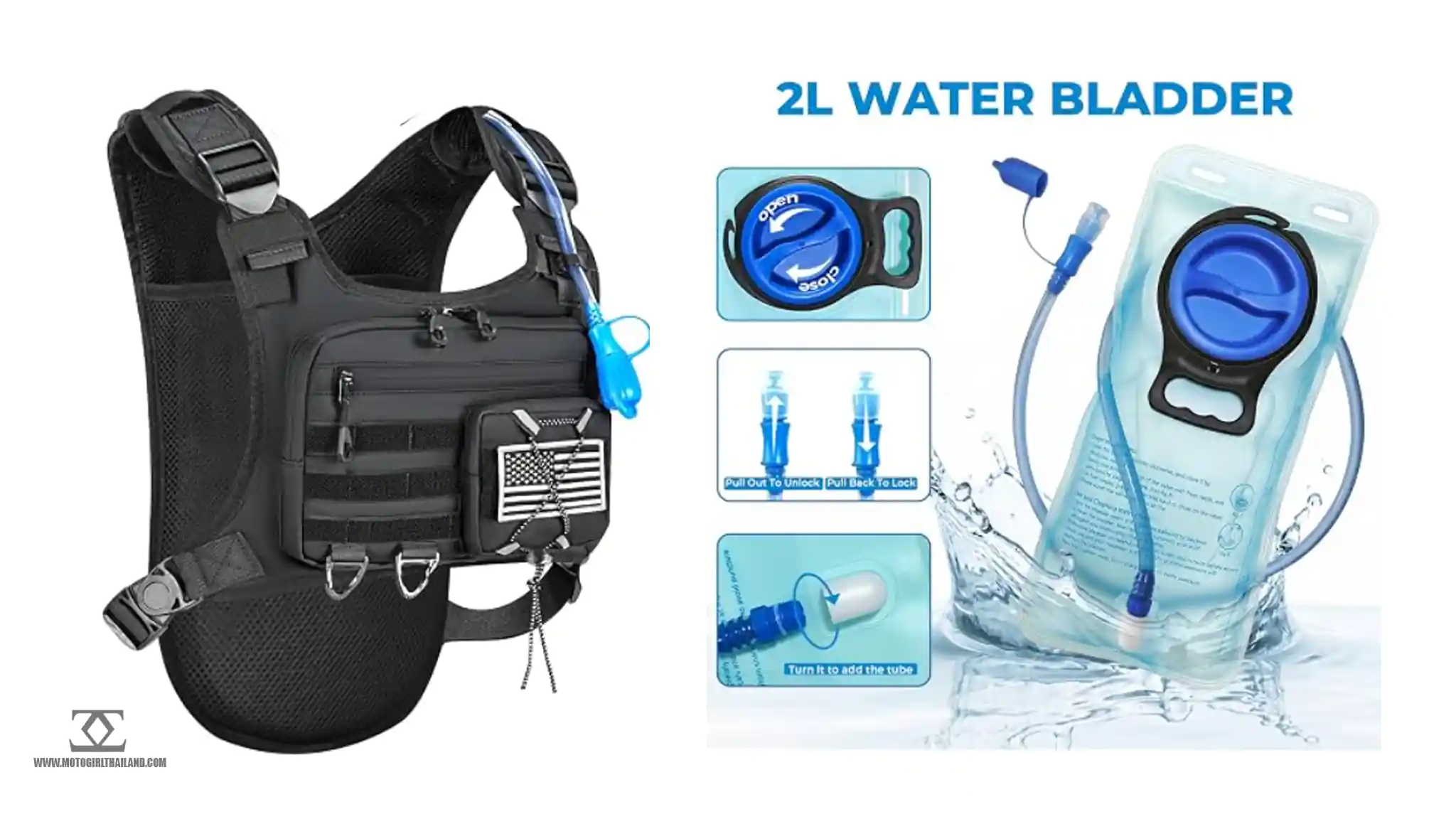
Sun protection is also important. Thailand’s sunshine can be strong even when temperatures feel pleasantly cool. Use sunscreen on exposed skin and remember that your neck and face may still be exposed while riding.
10. Burning / Haze Season
Be Aware of Seasonal Smoke and Air Pollution
If you’re visiting Northern Thailand during the cool season, it’s worth understanding the region’s seasonal air-quality issues. As the dry season progresses, smoke from agricultural burning and wildfires can affect visibility and air quality.
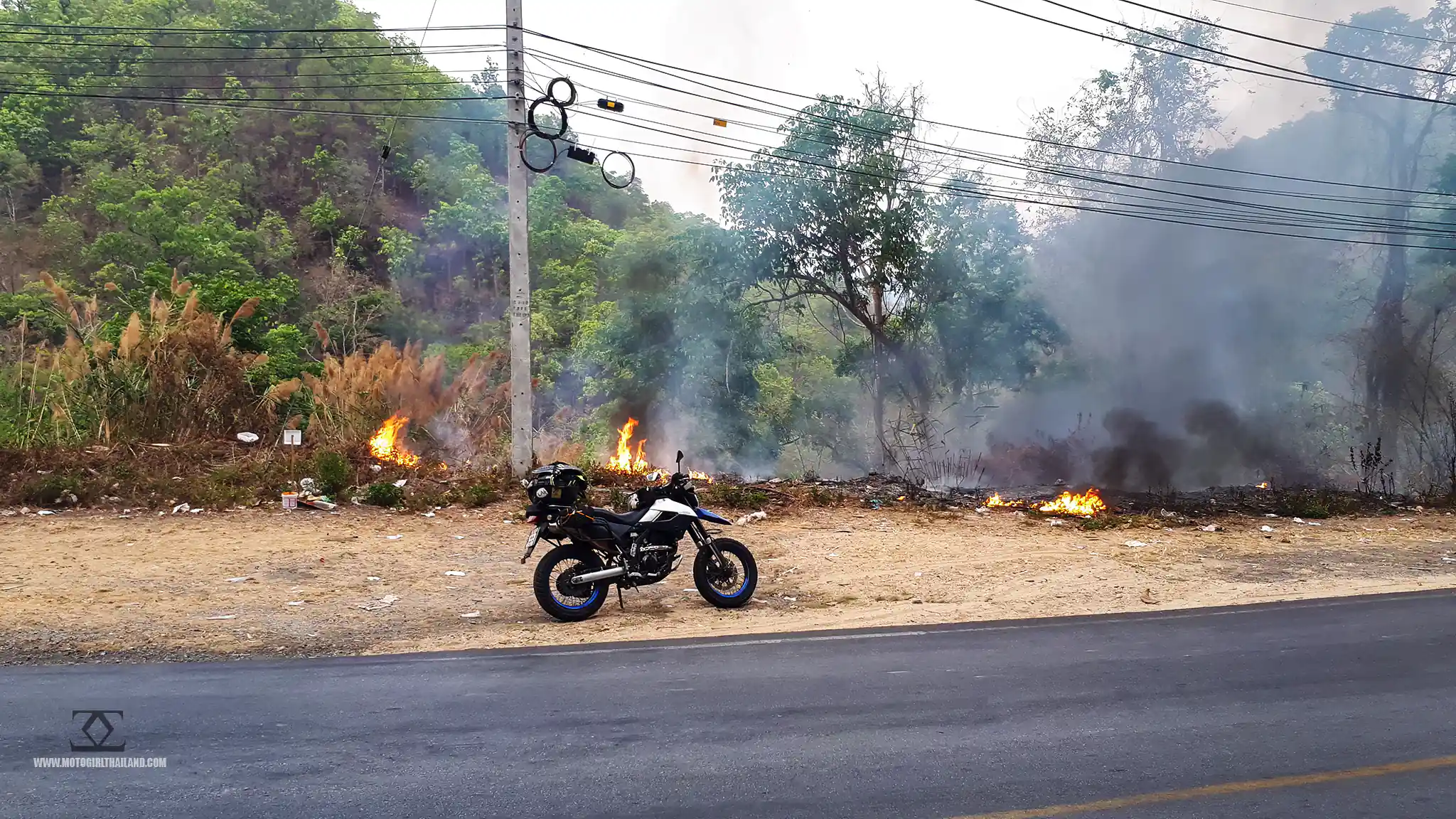
The worst period is generally later in the dry season, particularly March and April, although pollution levels can begin increasing earlier. Check local air-quality reports, particularly PM2.5 readings, if you’re planning longer rides. Don’t assume that a hazy mountain view is simply mist.
A standard motorcycle helmet or fabric face covering won’t reliably protect you from fine particulate pollution.
11. Tips on What to Carry
What Should You Carry on a Day Ride?
You don’t need to pack your entire wardrobe for a day out, but a few essentials can make life considerably easier.
Here’s a useful checklist:
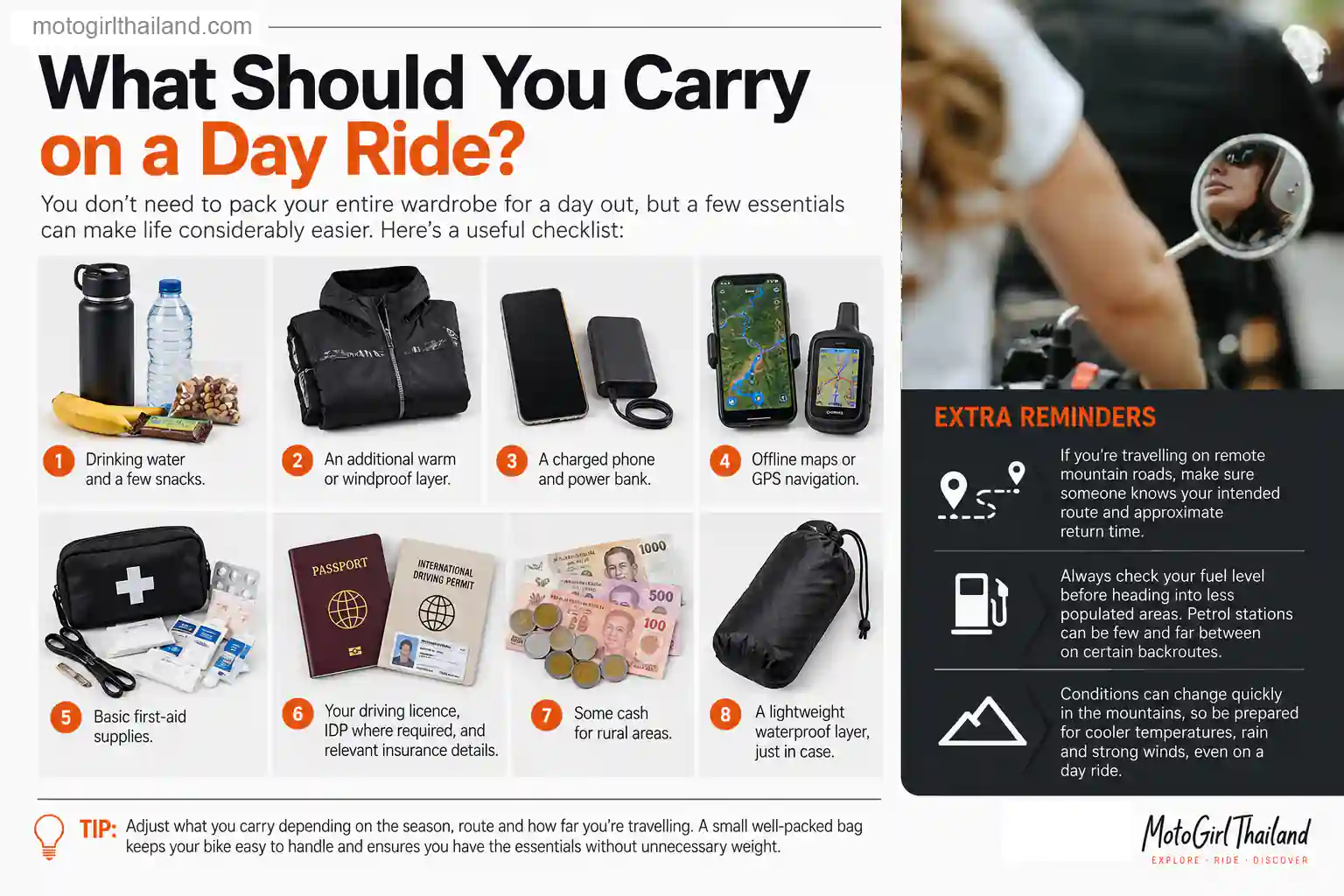
If you’re travelling on remote mountain roads, make sure someone knows your intended route and approximate return time. And always check your fuel level before heading into less populated areas. Petrol stations can be few and far between on certain backroutes.
12. The Thailand Experience
Take Your Time and Enjoy the Experience
One of the biggest mistakes newcomers can make is trying to squeeze too much into a single motorcycle trip. Northern Thailand has some incredible roads, but the experience isn’t just about ticking off famous routes or collecting kilometres.

There are small villages, local markets, temples, viewpoints and unexpected discoveries that are easily missed when you’re focused entirely on reaching the next destination.
Having spent years exploring Thailand on two wheels, I can say that some of the most memorable moments have happened when I’ve taken a detour, stopped somewhere unexpected or simply slowed down.
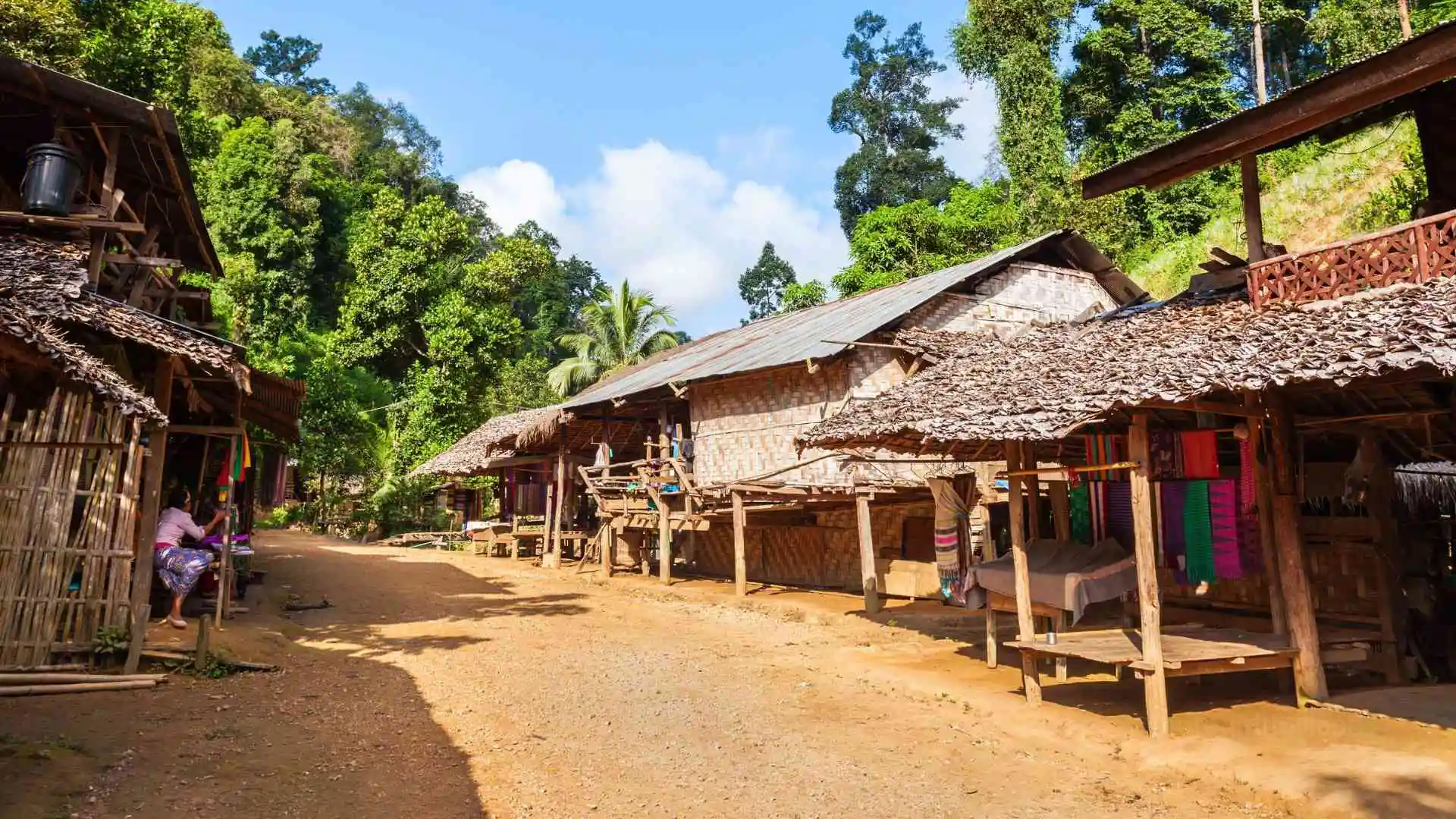
If you’re visiting for the first time, give yourself time to enjoy it.
Final Thoughts
Be Prepared. Enjoy Every Moment.
Thailand’s cool season is a fantastic time to explore on two wheels, especially in the mountainous north. With generally pleasant weather, beautiful scenery and an enormous variety of roads to discover, it’s easy to understand why so many riders return year after year.

However, a little preparation goes a long way.
Pack suitable riding gear, be ready for changing mountain temperatures, plan realistic daily distances and allow yourself time to become familiar with Thailand’s roads. If you’re looking for more information about motorcycle riding in Thailand, including route suggestions, practical advice and lesser-known destinations, explore my range of guides here at MotoGirlThailand.

Have you ridden Northern Thailand during the cool season? What surprised you most about the experience? Safe travels and happy riding!