
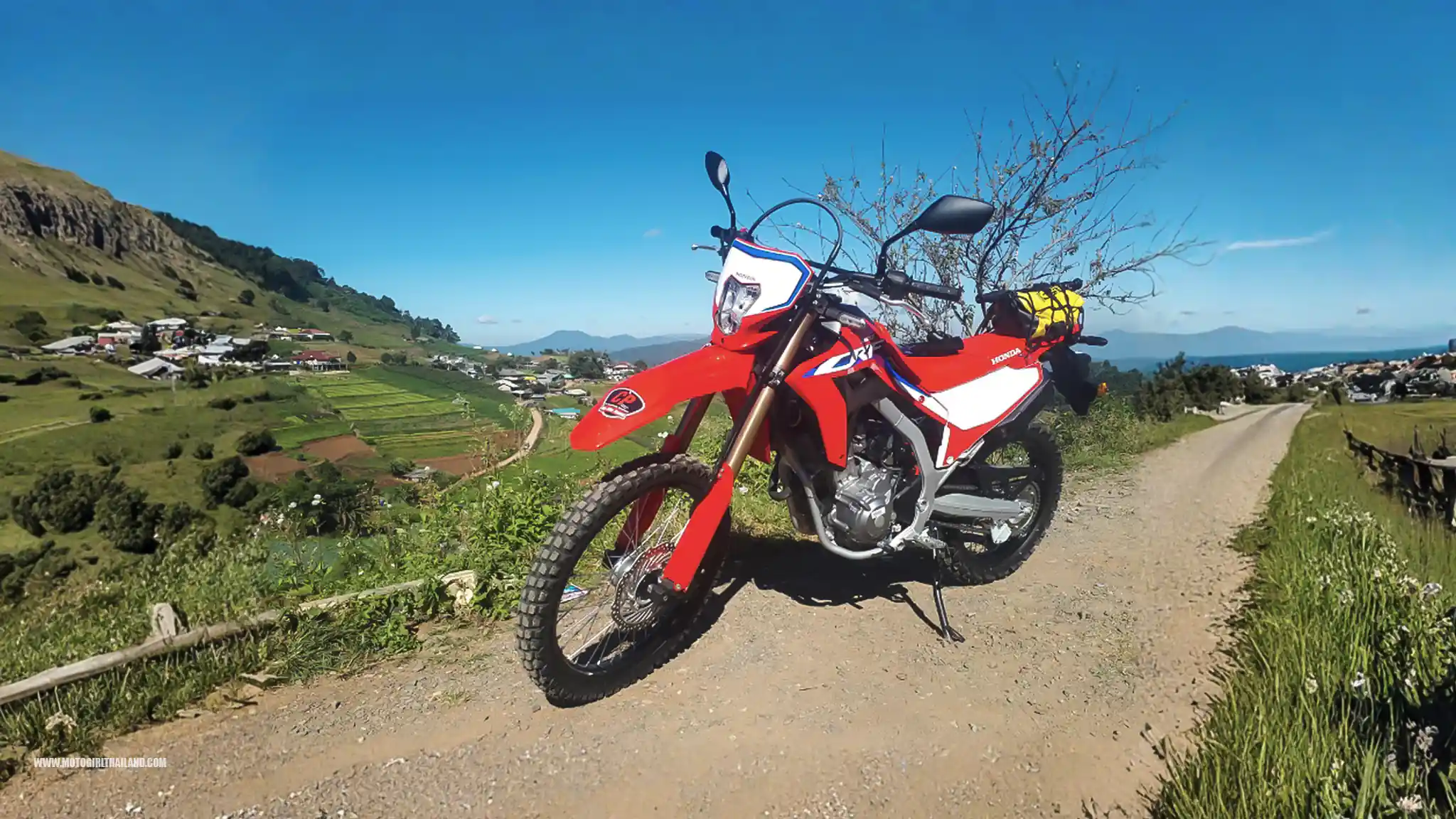
Honda CRF300L – Review
Reviews | Motorcycle Review
The Honda CRF300L is one of those bikes that makes a lot of sense in Thailand. It’s relatively light, tall, simple, and capable of dealing with everything from city streets and back roads to dirt tracks and rough mountain trails.
I first rode the CRF300L as an alternative to my own Kawasaki D-Tracker 250, and the comparison was interesting. The 300 had more grunt, but was it enough of an improvement to make me want to replace the bike I already owned?
Click to Close
Contents
Ducati Desert Sled Review – Built for Adventure in Thailand?
BMW 310GS Review – Small Adventure Bike, Big Fun?
Yamaha MT-07 Review-All Torque, No Talk?
Specs at a Glance
Specifications Overview
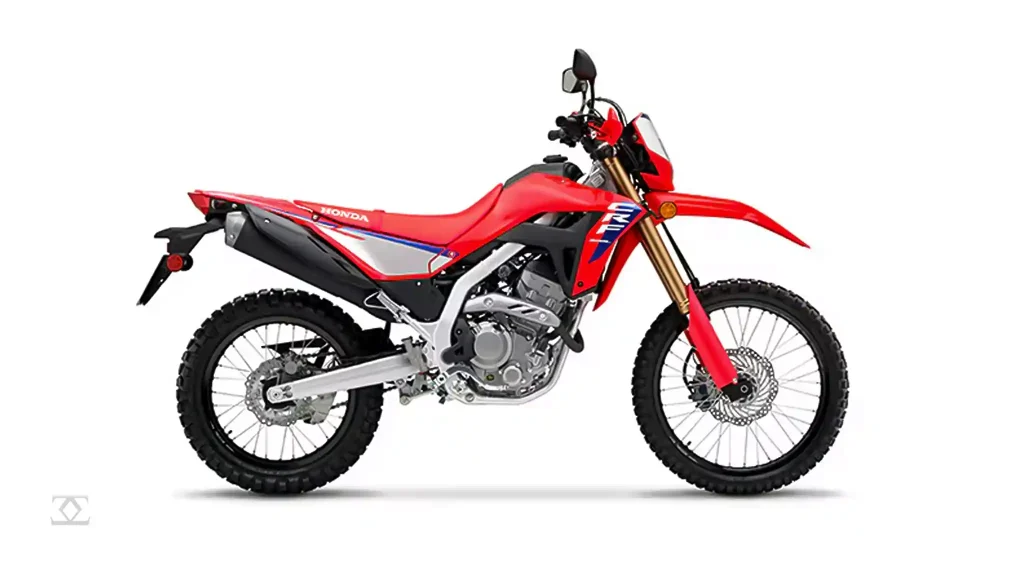
- Engine: 286cc liquid-cooled single-cylinder
- Power: 26.9 hp @ 8,500 rpm
- Torque: 26.6 Nm @ 6,500 rpm
- Transmission: 6-speed
- Seat Height: 880 mm
- Wet Weight: 140 kg
- Fuel Capacity: 7.8 litres
- Front Suspension: 43 mm inverted fork, 260 mm travel
- Rear Suspension: Pro-Link monoshock, 260 mm travel
- Wheels: Front – 21-inch / Rear -18-inch
- Brakes: Single disc front and rear, ABS depending on market/model
First Impressions
Initial Thoughts
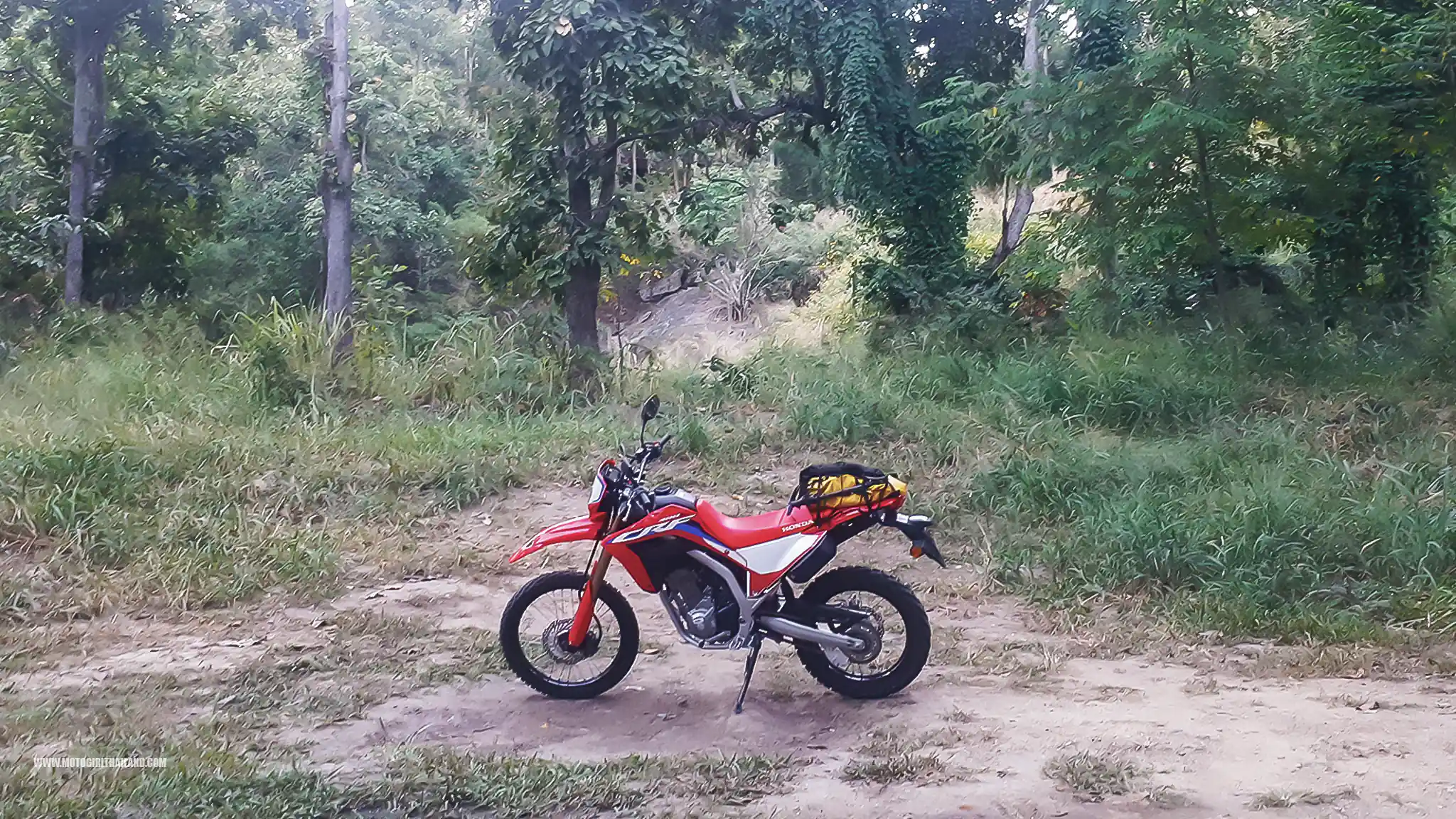
The CRF300L is a tall, narrow and relatively light bike, and immediately feels more like a proper trail bike than a road bike that has been given some off-road styling.
Coming from my Kawasaki D-Tracker 250, the first thing I noticed was that extra bit of engine capacity. It isn’t a huge jump from 250cc to 286cc, but there was noticeably more bite from the engine. And that was really the question for me: was the extra performance enough to justify changing bikes?
Is it Adventure-Ready?
Adventure Ready?
For the kind of riding I do in Thailand, absolutely.
The CRF300L isn’t trying to be a huge adventure tourer. Its real strength is that it’s light, narrow and designed around off-road ability. That makes it particularly interesting for Thailand, where a perfectly good paved road can suddenly turn into gravel, dirt, mud or a rough concrete track.
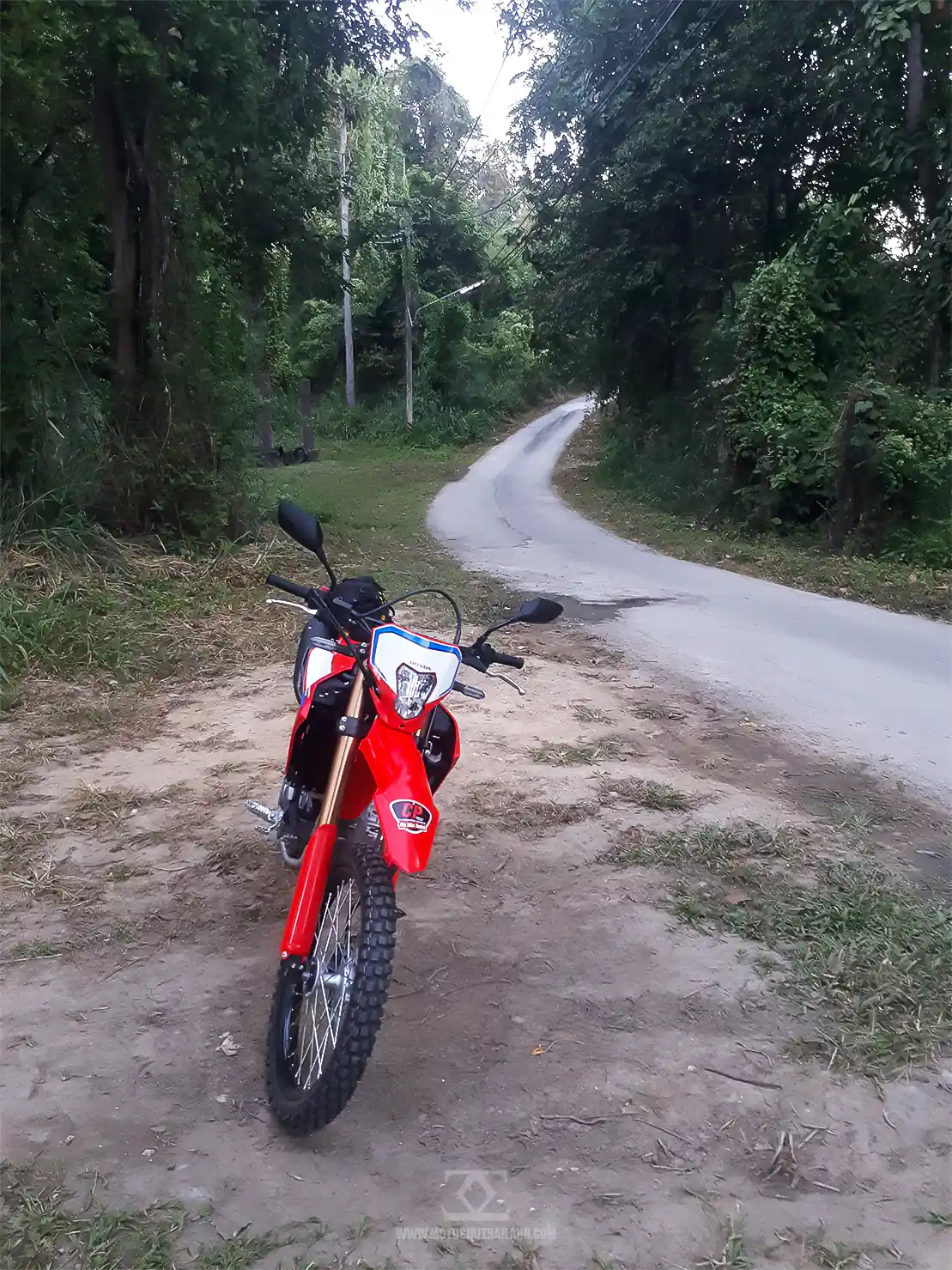
It’s also the kind of bike that gives you more confidence when things get messy because you’re not trying to wrestle a 200 kg adventure bike through a muddy trail.
On-Road Performance
Riding On-Road
This is where my experience with the CRF300L was slightly different from what some people might expect.
I don’t do huge amounts of serious off-road riding. Around 70% of my riding is road and back roads, with the remaining 30% being trails and softer off-road terrain. So although the CRF300L is clearly designed with off-road riding in mind, I was interested in how well it worked on the roads I actually ride.
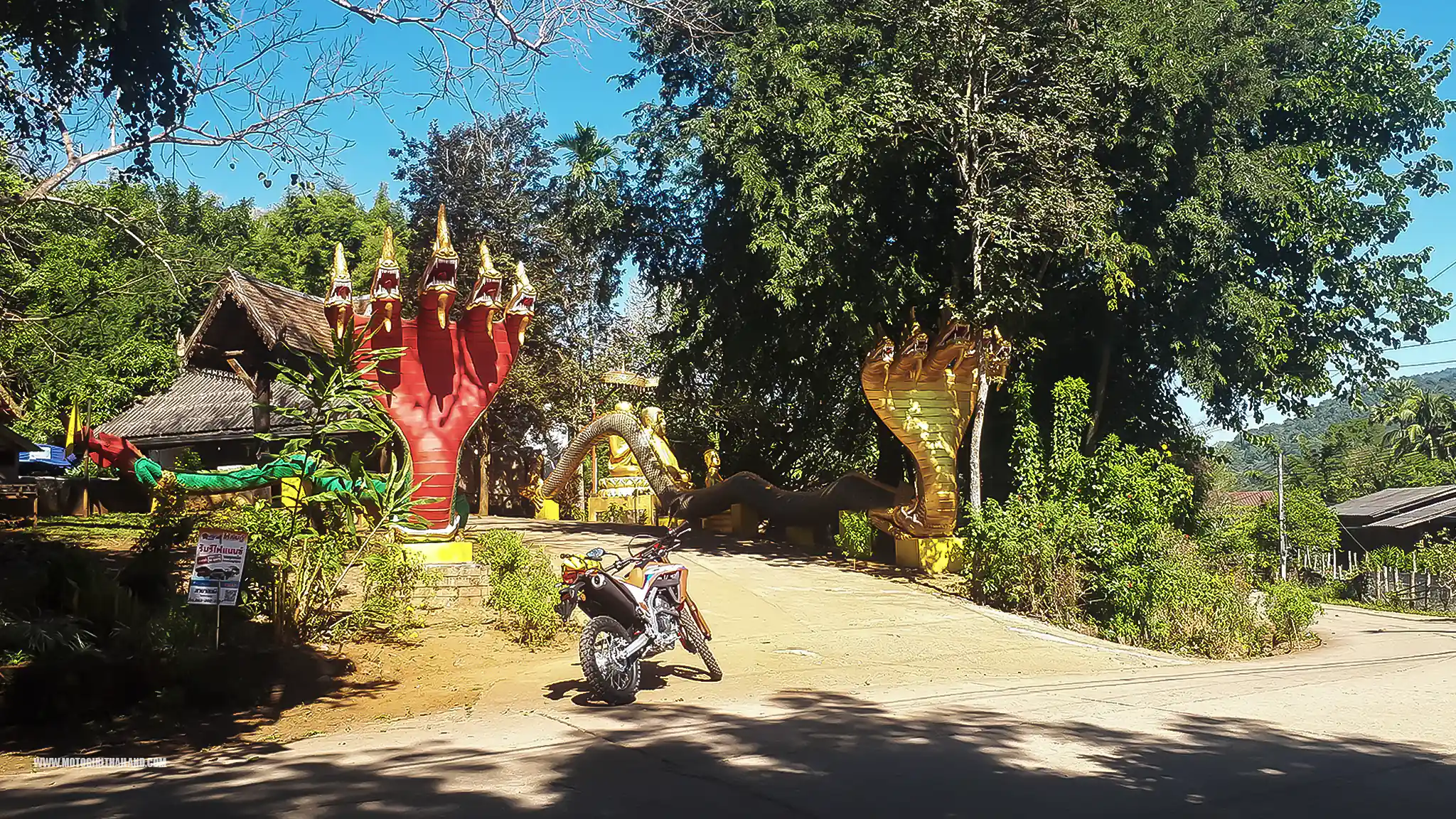
Compared with my Kawasaki D-Tracker 250, the CRF300L definitely had that little bit more grunt. It wasn’t a night-and-day difference, but there was enough extra bite to make the bike feel stronger.
Off-Road Capabilities
Riding Off-Road
This is where the CRF300L really starts to make sense. Unlike a heavier adventure bike, the CRF300L feels much more natural when the road disappears.
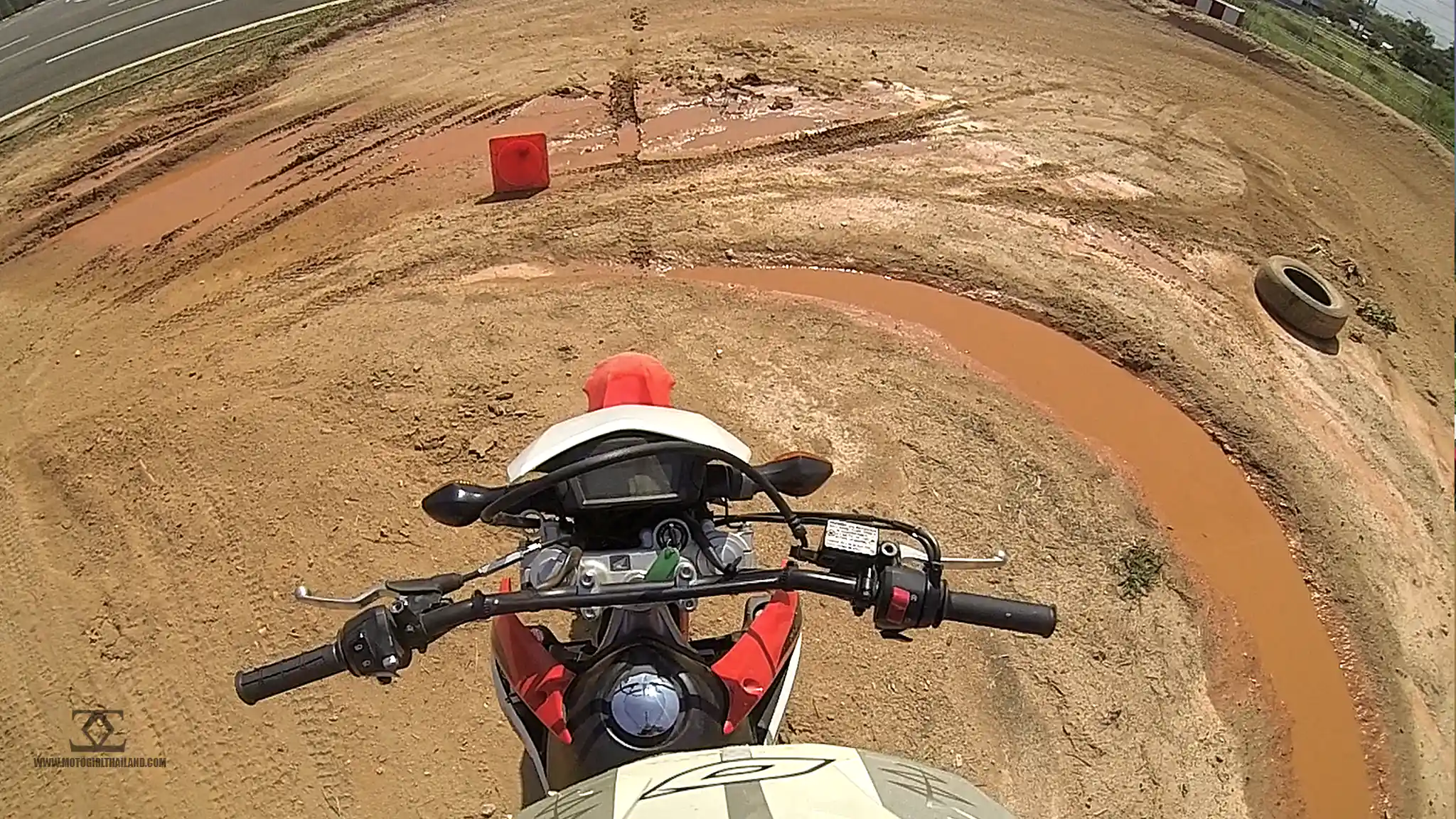
I wasn’t doing extreme off-roading, but for trails, dirt roads and softer off-road sections, the bike felt very capable. And the biggest advantage for me wasn’t necessarily the extra power. It was the weight.
A lightweight bike can be a huge advantage when you’re riding somewhere where you might need to pick it up, turn it around, paddle through a difficult section or recover from a mistake.
Touring Potential
Riding Comfort
The CRF300L can certainly be ridden long distances, but it isn’t designed primarily as a touring bike. The narrow seat and trail-bike ergonomics are very different from a dedicated road or adventure-tourer.
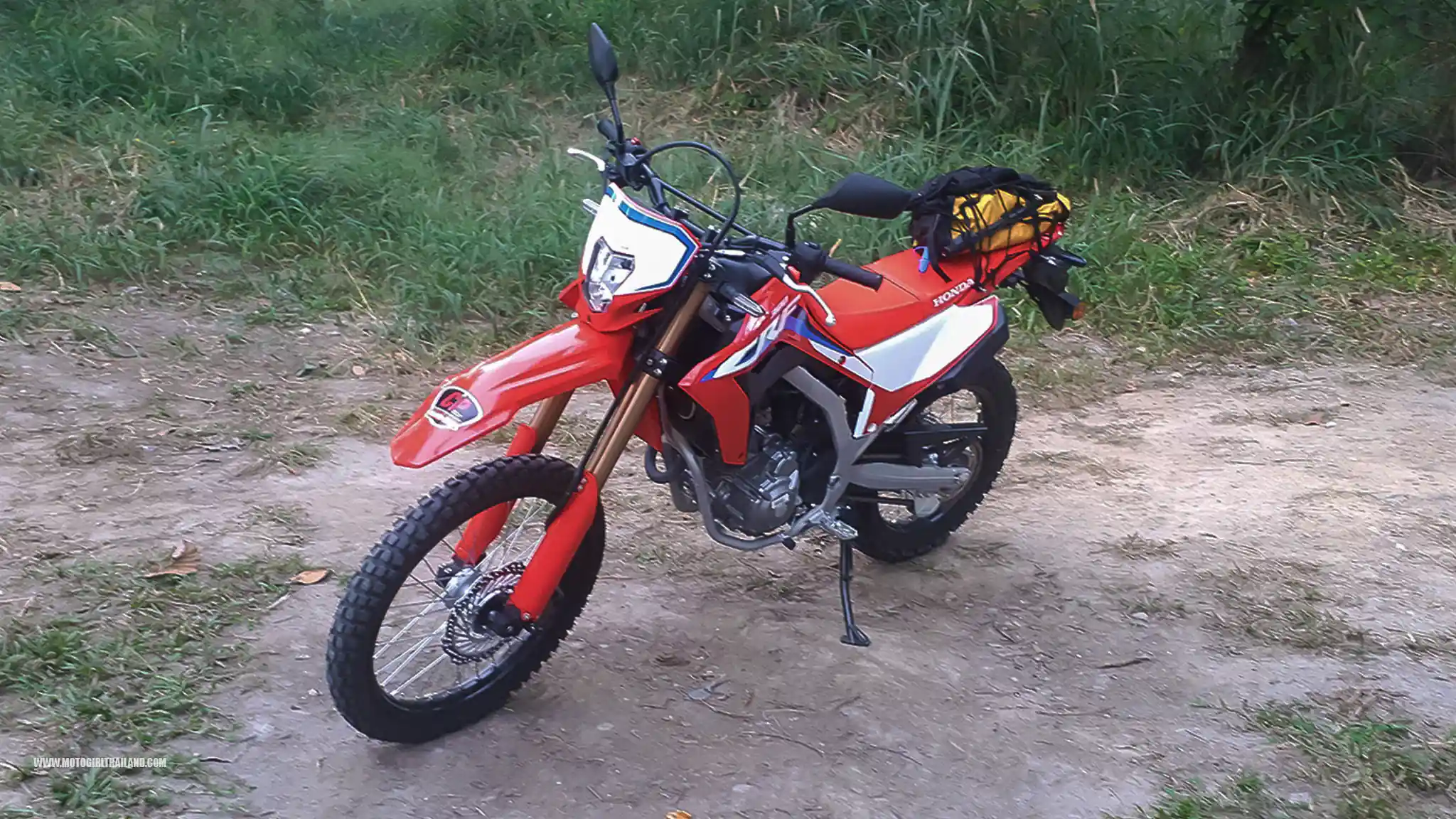
For exploring Thailand’s back roads, however, that isn’t necessarily a problem. In fact, the ability to leave the tarmac and explore a dirt track can be much more valuable than having a plush touring seat.
Performance on Thailand’s Twisty Terrain
Is it Thailand-Suitable?
Very much so.This is probably one of the strongest arguments for the CRF300L. Thailand has an enormous amount of riding where a lightweight dual-sport makes sense.
Mountain roads, dirt tracks, farm roads, concrete lanes, rough surfaces and trails are all part of riding around Northern Thailand.
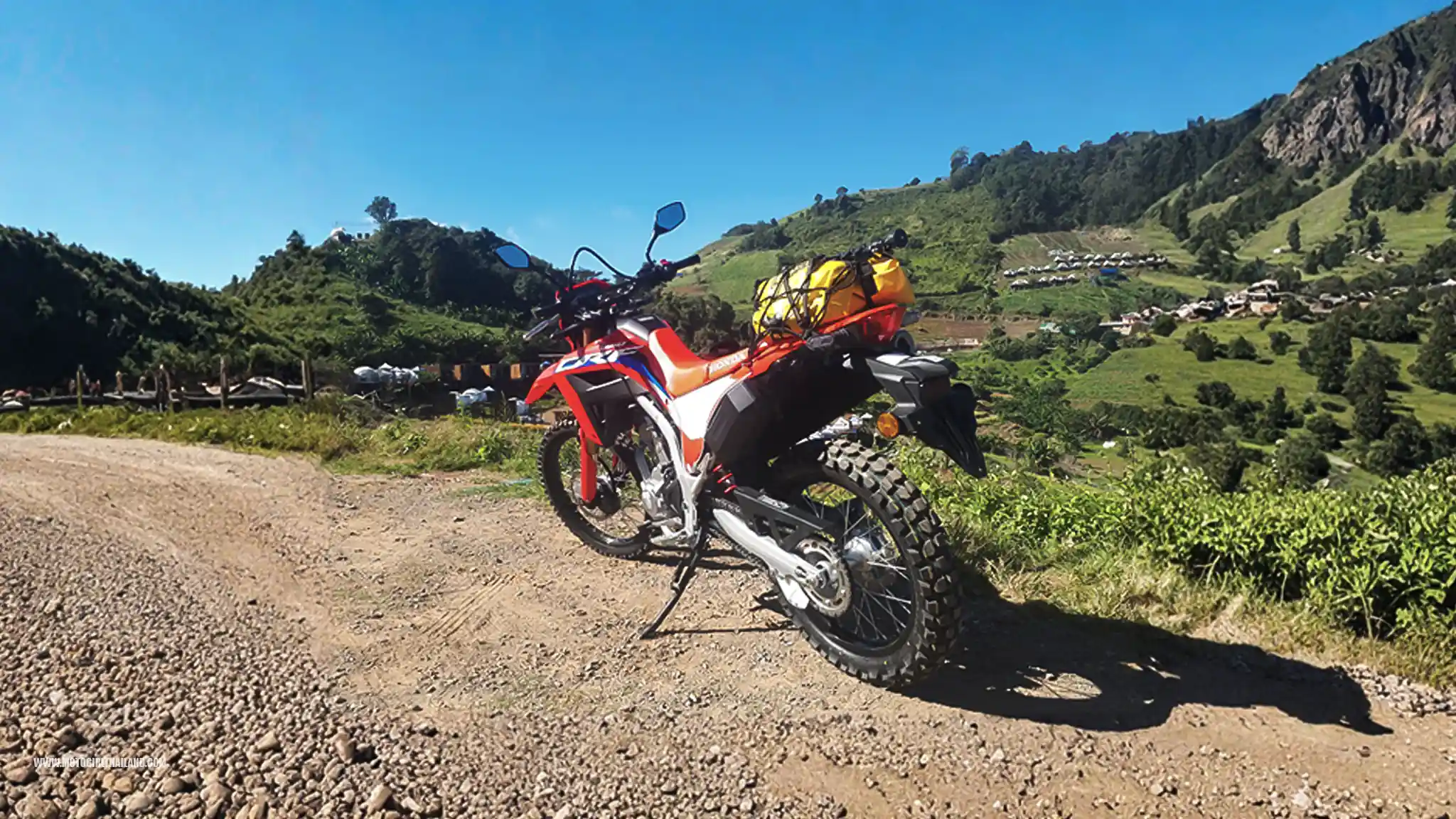
The CRF300L doesn’t need everything to be perfect. If the road suddenly deteriorates, you don’t necessarily have to turn around.
And that is a big part of the appeal.
Heat in Thailand
A Hot Bike in a Hot Country?
One thing I did notice during my ride was the heat. I experienced quite a lot of heat around my inner thigh, particularly during a long ride that lasted around ten hours.
The circumstances probably didn’t help.
It was officially cool season in Thailand, but the temperatures were still high. I was also riding during a busy holiday period and encountered heavy traffic in some tourist areas. At one point I was climbing a mountain road stuck behind a line of traffic, travelling slowly in first gear with nowhere to overtake. The bike was getting hot.
Was the CRF300L actually running hotter than normal, or was I simply experiencing the worst possible combination of hot weather, heavy traffic and slow climbing? I don’t know.
But heat was definitely something I noticed, and I’d be interested to hear from other CRF300L owners in Thailand about their experience.
Comfort and Ergonomics for Shorter Riders
Info for Shorter Riders
The CRF300L is tall, but it’s also very light. As I’ve said with other bikes, I generally prefer a tall bike to be lightweight. If I can’t flat-foot it, being able to lean the bike underneath me without feeling like I’m going to be crushed by it makes a huge difference.
That’s one of the CRF300L’s strengths.
With lightweight tall bikes, like the Honda CRF or Kawasaki KLX, the height is more forgiving because you can lean the bike over without the risk of dropping it. Heavier bikes, however, offer less margin for tilt and require more caution and control.
Things I would adjust
Suspension – What I’d Change
The CRF300L’s suspension is designed to give the bike its off-road ability, but for my particular riding style I’d want to make some changes. I would have liked to alter the suspension setup to better suit the mix of road, back-road and lighter off-road riding that I do.
This isn’t necessarily a criticism of the bike itself. A bike designed to work well on trails inevitably involves compromises when you spend most of your time on tarmac.
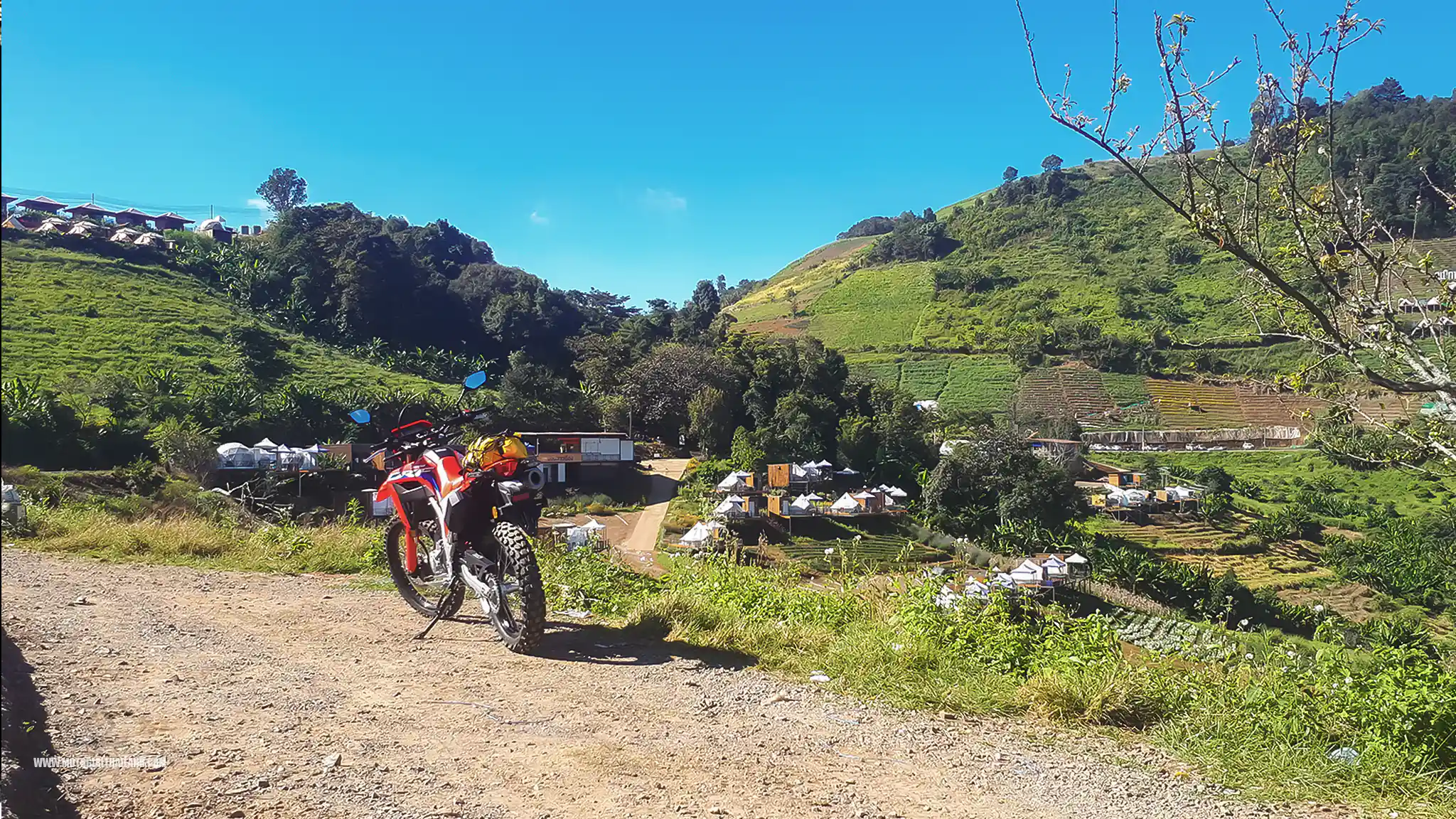
The Throttle Response – One Thing I’d Change
Another thing I noticed was the throttle response. For me, it felt a little too glitchy, particularly compared with how I’d ideally like the bike to respond.
If I were setting one up specifically for my riding, I’d want to smooth out the throttle response and make the bike feel a little more controlled and predictable.
Again, that’s personal preference rather than saying the bike has a fundamental problem.
Final Thoughts
The Honda CRFL – My Conclusion
The CRF300L is a great bike and, for Thailand, it’s one of the most logical lightweight dual-sport choices. It has enough extra performance over a 250 to be noticeable, while retaining the light, uncomplicated character that makes this type of motorcycle so enjoyable.
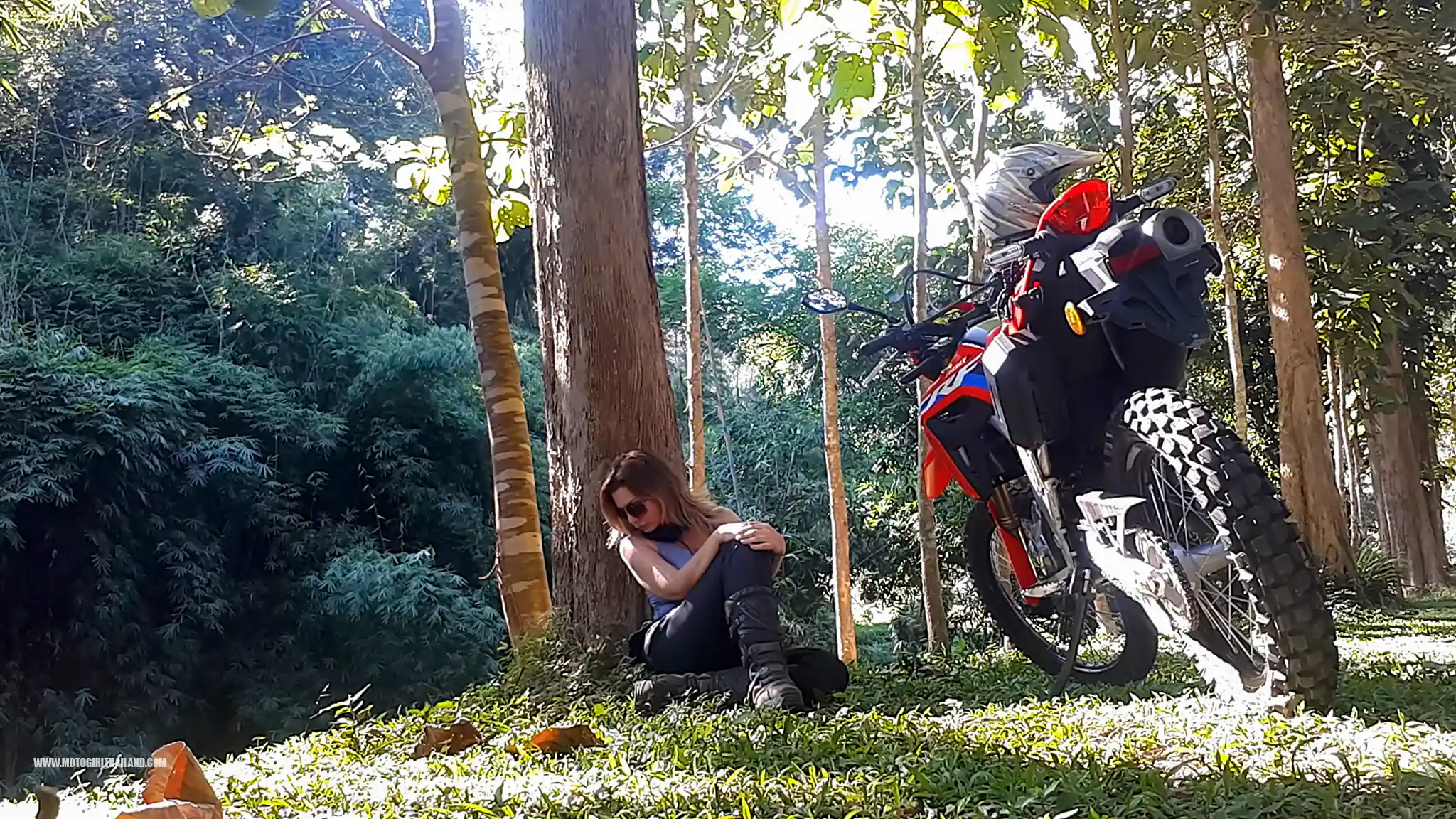
I’d make a few changes to the suspension and throttle response to suit my riding, but fundamentally it’s a very good bike and a lot of fun. But what I am really holding out for is a 400.
Have you ridden the Honda CRF300L? Are there other aspects that you would have liked to to have covered? Leave a comment. I’d be interested to read your thoughts.