
Riding Thailand Rainy Season – Motorcycle Riding Guide
Rainy season transforms Northern Thailand into one of the most beautiful times of year to ride. Lush mountains, cooler temperatures, and quiet roads make it a favourite season for many riders—but it also brings slippery surfaces, heavy downpours, and new hazards. Here’s what to expect and how to prepare.
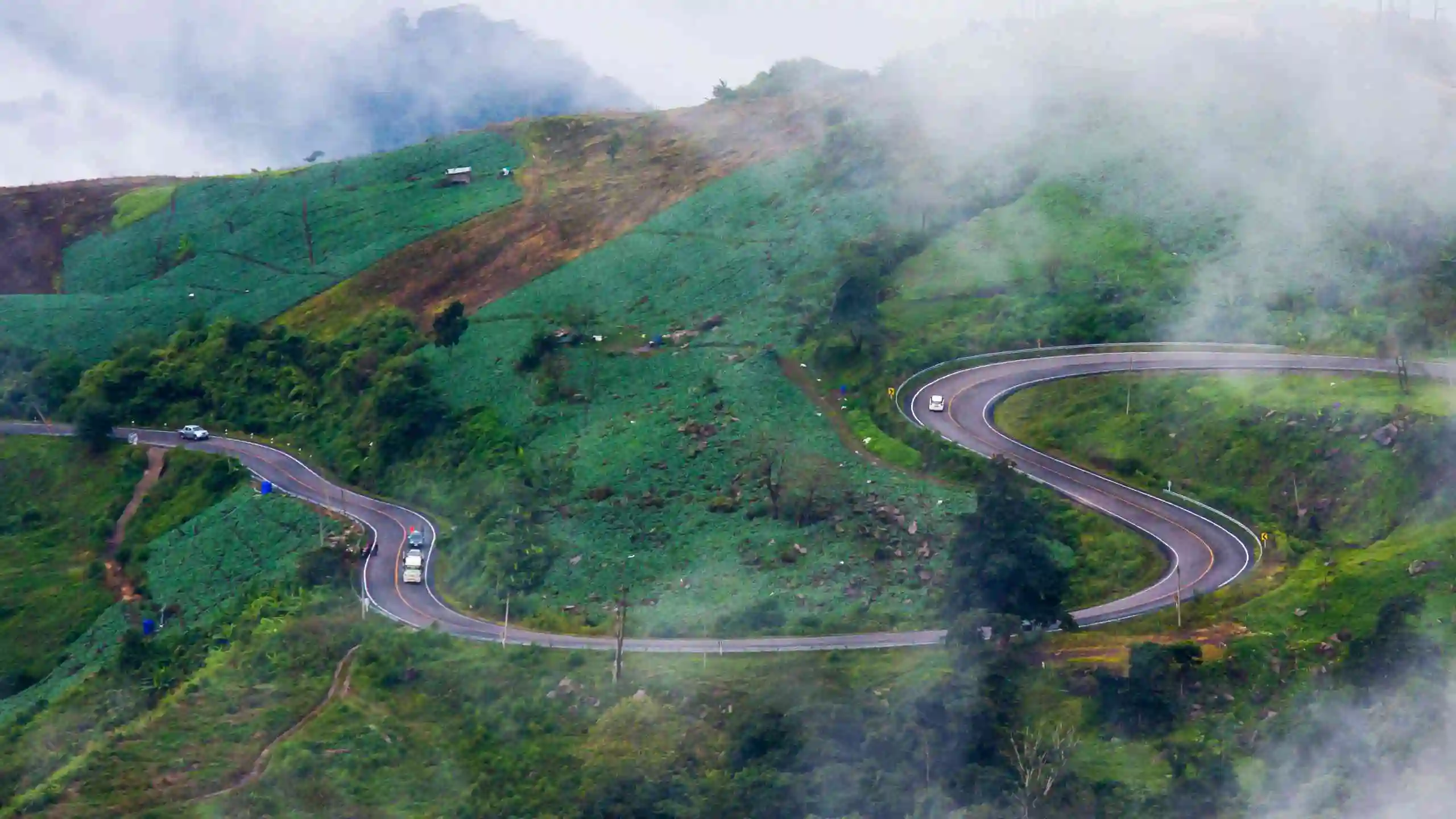
Many riders choose to avoid the rainy season altogether. Personally, I absolutely love it. Nature comes alive, the landscapes are breathtaking, and with the right preparation, it can be one of the most rewarding times to explore Northern Thailand by motorcycle.
This guide explains what to expect and offers practical tips to help you ride safely during the wet season.
Contents
When is the rainy season in Northern Thailand?
Generally from July to October, with the heaviest rainfall usually occurring during August and September.
Can beginners ride during rainy season?
In theory, yes, although beginners should take extra care, reduce their speed, and avoid riding in particularly heavy storms. If you do not feel confident, do not ride.
re mountain roads dangerous in the rain?
Not if ridden sensibly. Simply expect reduced grip, occasional debris, and slower travel times.
Do I need special rain tyres?
Not necessarily. Good-quality tyres with plenty of tread are usually sufficient for most riders.
Should I avoid riding after dark?
If possible, yes. Rain, poor visibility, potholes, and unexpected obstacles become much harder to see at night.
Will National Parks be open?
Some parks and attractions close temporarily during the rainy season because of landslides, flooding, or trail maintenance. Always check ahead before travelling.
Is rainy season still a good time to ride the Mae Hong Son Loop?
Absolutely. In fact, many riders consider it the most beautiful time of year. Just ride at a pace that suits the conditions and allow extra time for your journey.
Why Ride in This Season?
Why Ride During Rainy Season?
While the challenges are obvious, the rewards are equally impressive. During rainy season you’ll experience:
If you’re a photographer, this is arguably the most photogenic season in Northern Thailand.
When Is Rainy Season & When Does the Rain Fall?
When Is Rainy Season?
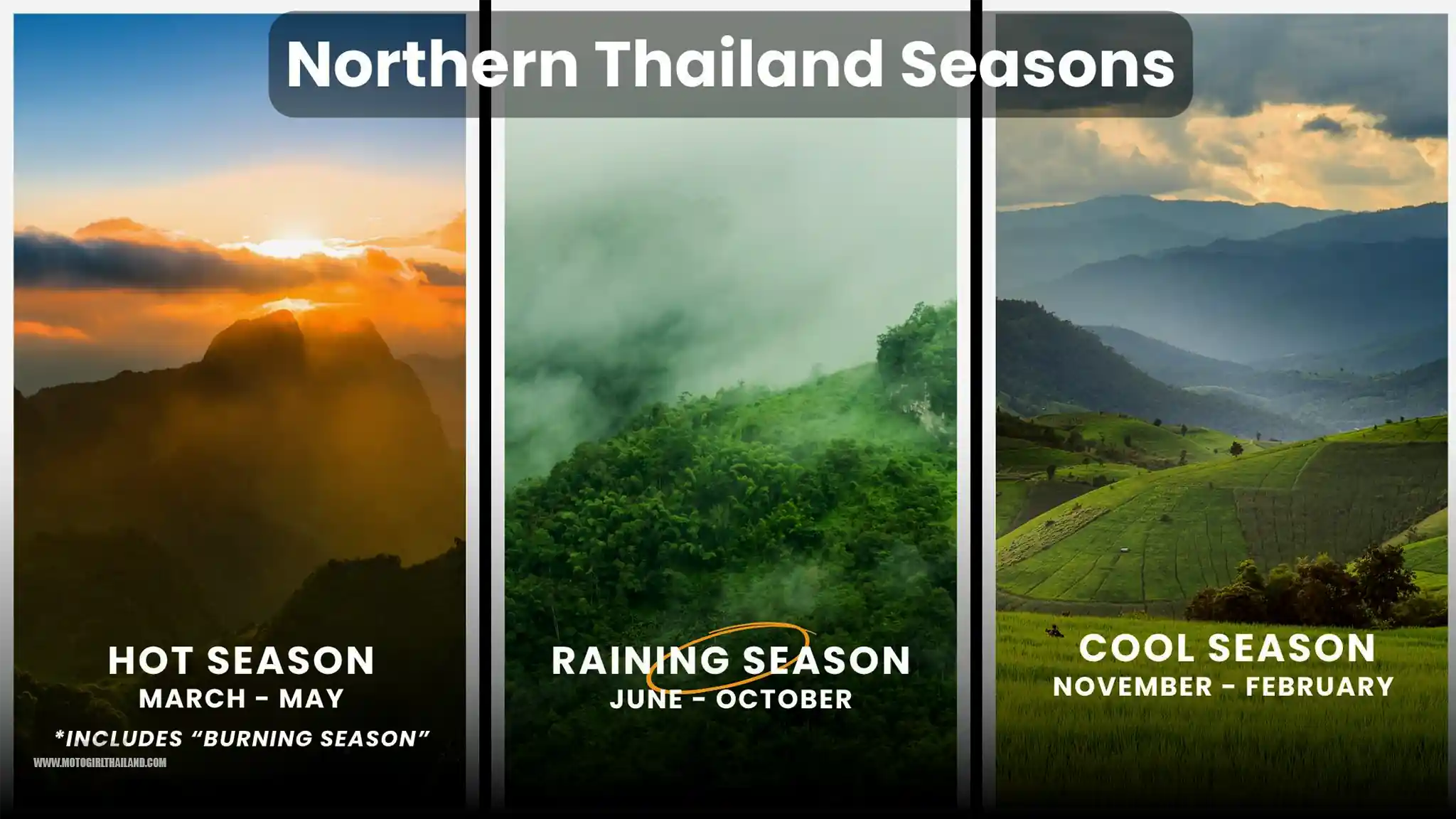
Northern Thailand’s rainy season generally runs from July through October, although the exact timing varies slightly each year.
When Does The Rain Fall?
Unlike countries where rain can fall continuously for days, Northern Thailand often experiences short but intense tropical downpours. A typical day might include:
The middle of the season (particularly August and September) usually brings the heaviest rainfall.
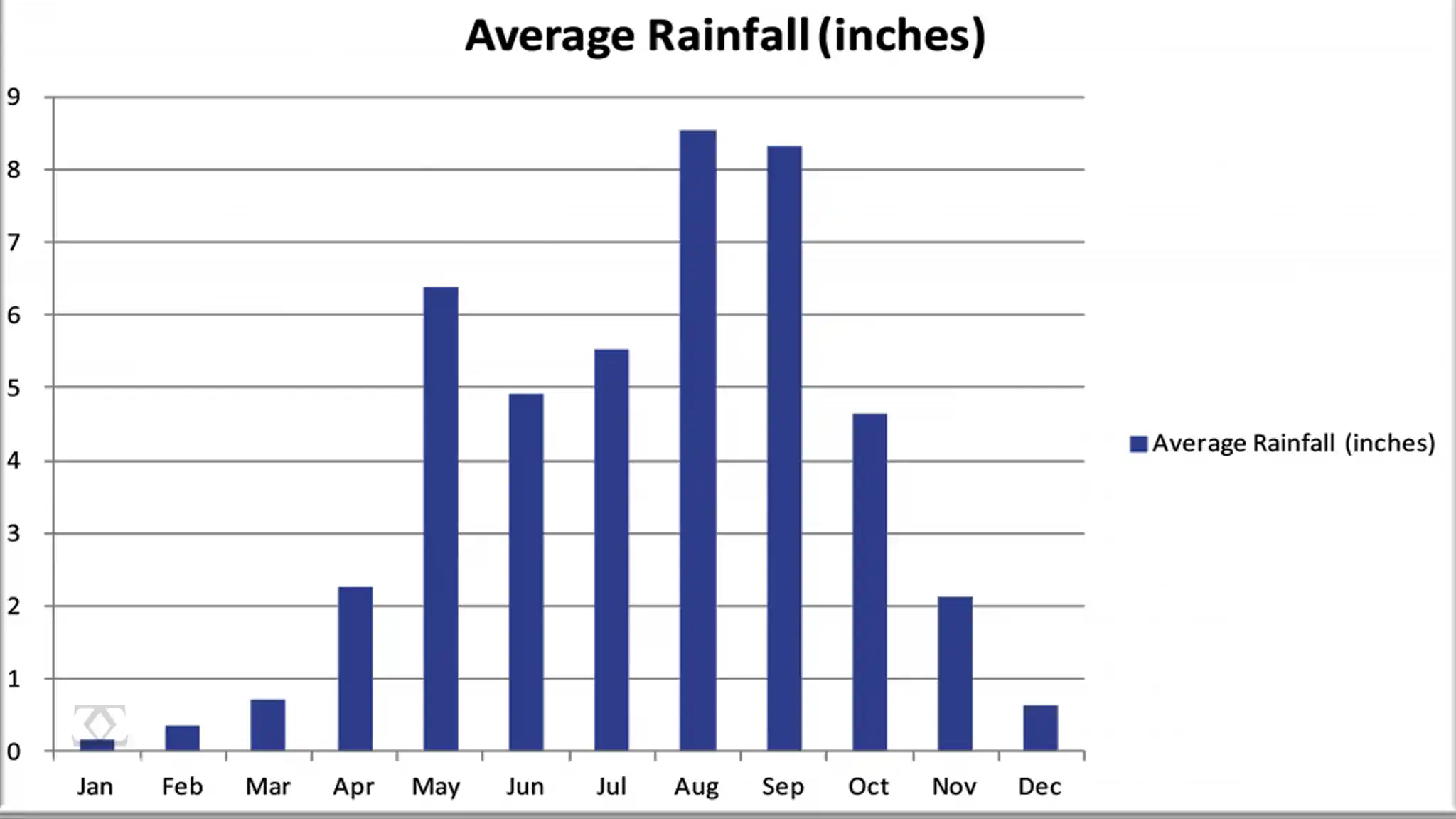
The Northern Regions share a fairly similar pattern of rainfall; sharp bursts followed by dry clear skies. For most of the season the pattern is usually a burst of rainfall during the night and/or early morning, followed by a burst in the afternoon (usually sometime between 2 pm and 4 pm). In between these times, it is normally dry and clear.
The afternoon showers often come in a series of bursts, so keep in mind when one rain shower has eased up another burst will likely come five minutes or so later.
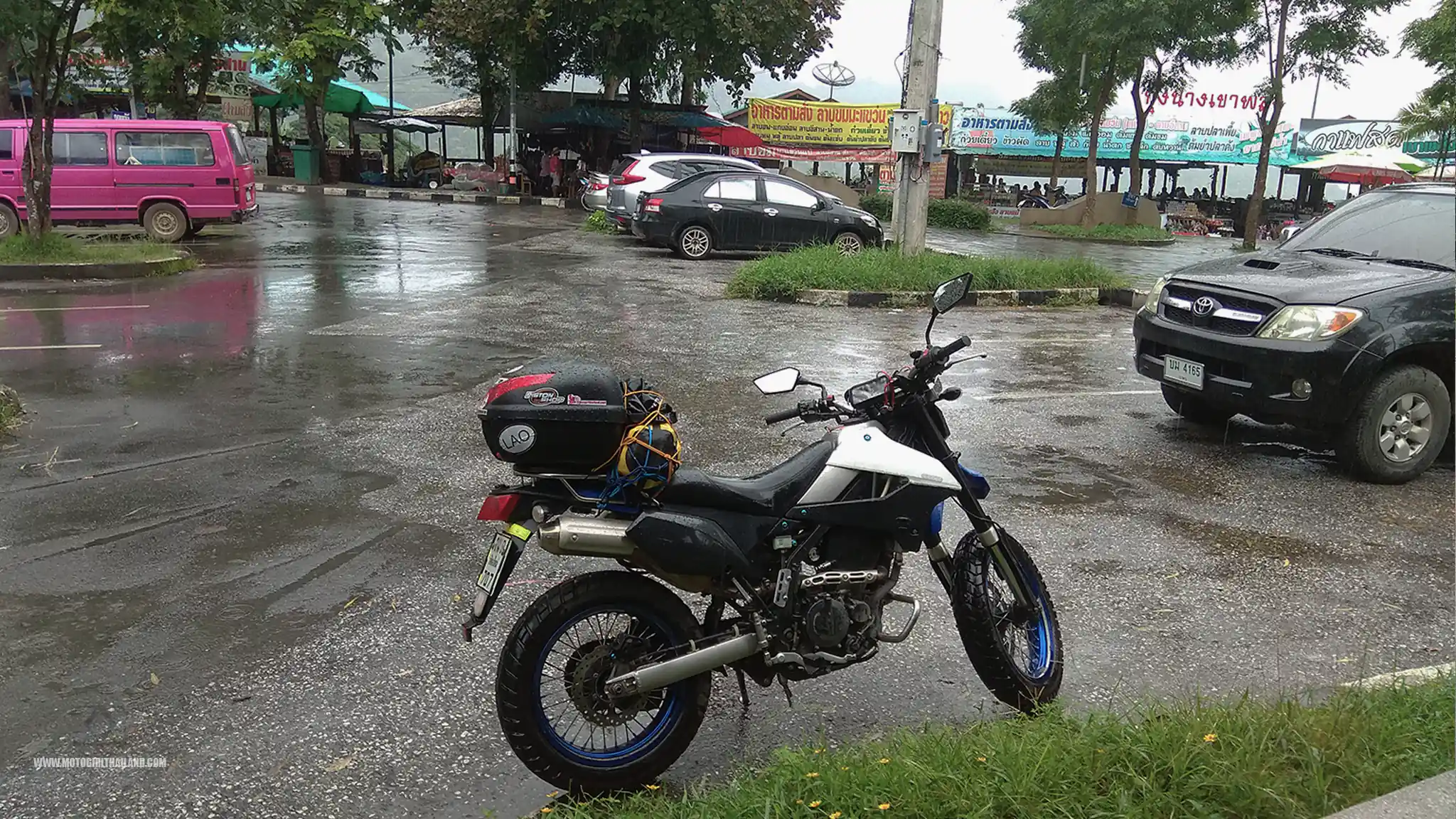
Storms also tend to move through fairly quickly, so if you find yourself sheltering at a café, there’s a good chance you’ll be back riding again within an hour.
Keep an eye on the direction of the rain clouds too, as this will help you gauge whether to take shelter or ride on through. Around mid-July and September, the rain tends to be heavier and last for longer periods, but by mid-October, the rains have pretty much eased off again as it comes to the end of the season.
Safety Info
Is it Safe to Ride?
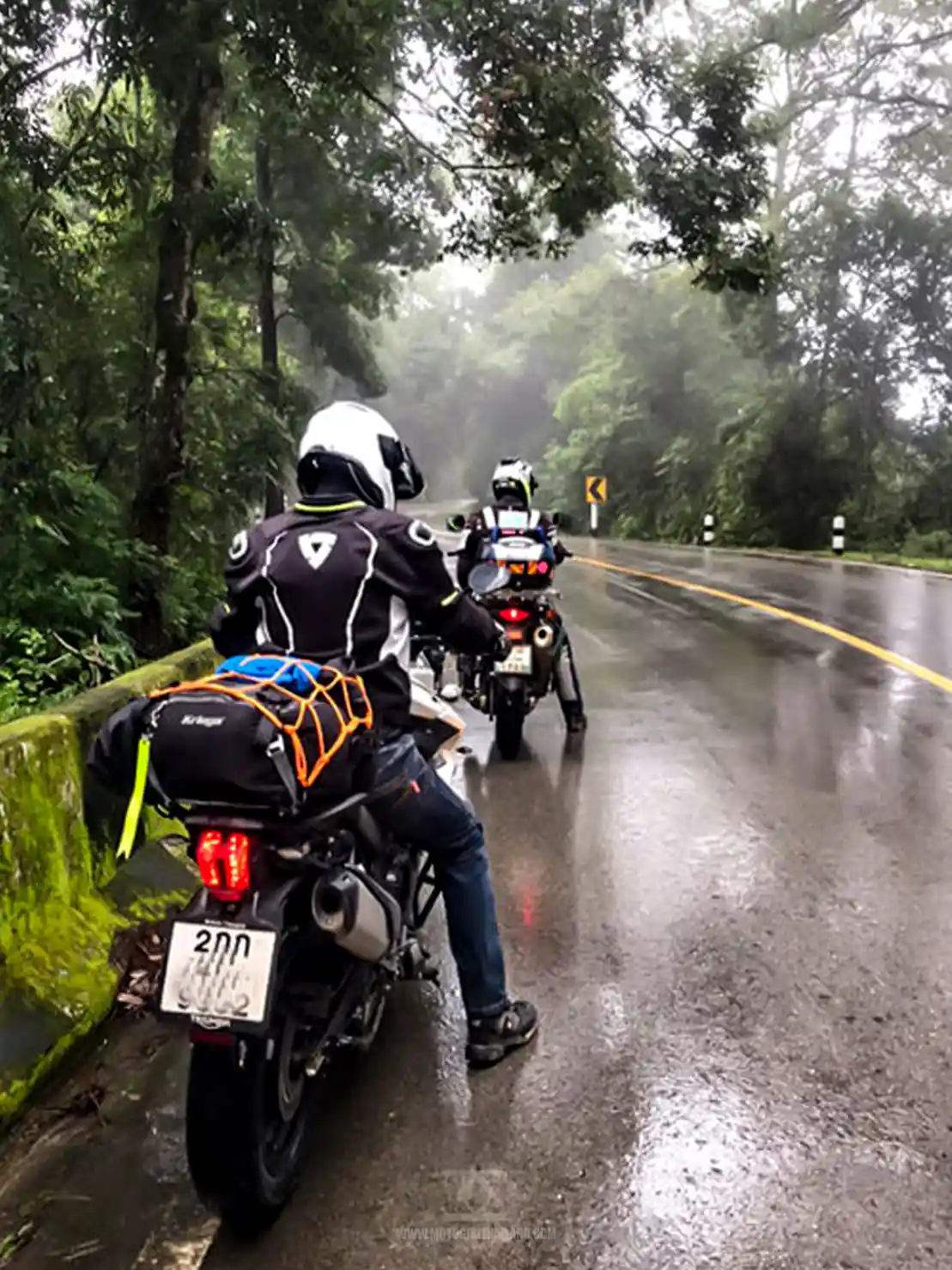
Yes, provided you adjust your riding accordingly. Rain doesn’t suddenly make Northern Thailand dangerous, but it does reduce your safety margins.
The key is riding more smoothly, giving yourself extra stopping distance, slowing down earlier, and accepting that you’ll simply arrive a little later.
If conditions become extremely heavy, pull over and wait for the weather to improve.
Preparation
Preparing Your Motorcycle
Before any ride, your motorcycle should already be in good mechanical condition, but this becomes even more important during rainy season.
Before setting off, check:
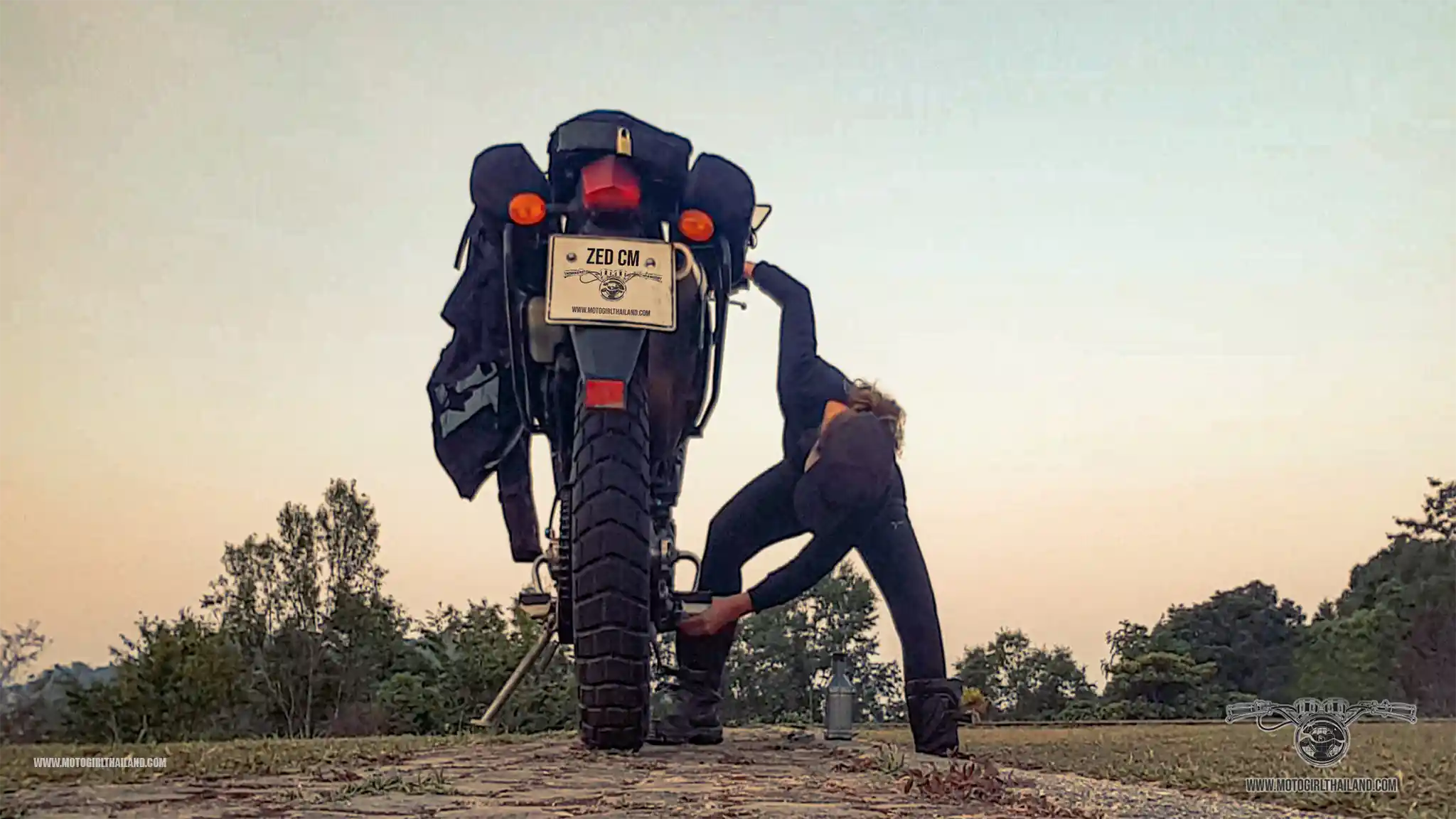
Good tyres are especially important. Worn tyres dramatically reduce grip in the wet, while tyres with healthy tread clear standing water much more effectively.
Riding Gear
Wearing the Correct Motorcycle Gear
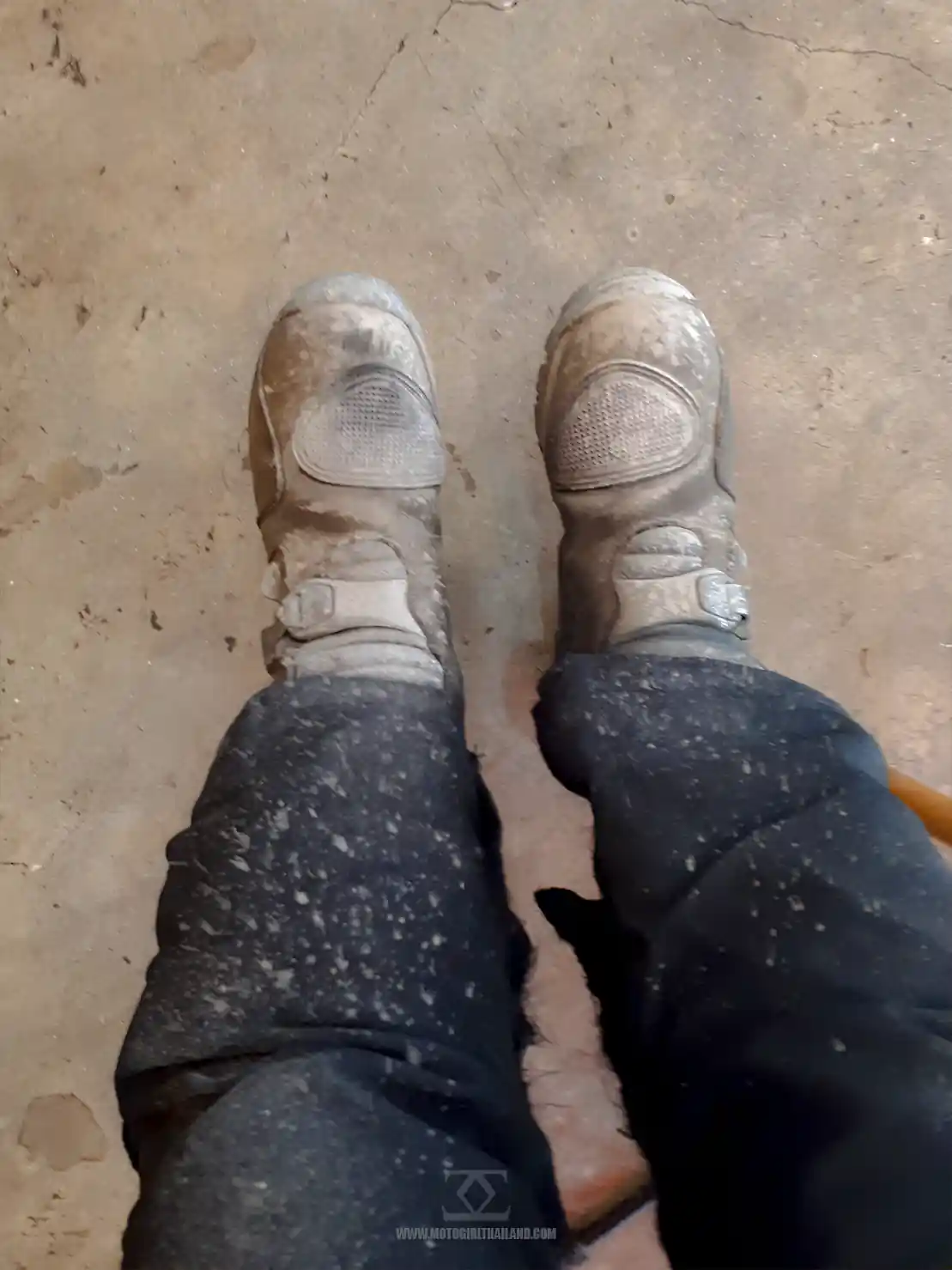
Good waterproof gear is worth every Baht. Keep your waterproofs somewhere easily accessible rather than buried underneath your luggage.
My rain gear always sits on top of everything else in my top box so I can stop and put it on within a minute or two.
It is best to have:
Riding Techniques
Wet Weather Riding Techniques
Good riding skills are paramount during Rainy Season. Try to:
The smoother your riding inputs, the more grip your tyres can maintain.
Aquaplaning
Handling Aquaplaning
Aquaplaning occurs when a layer of water builds between your tyres and the road surface, causing your motorcycle to lose traction.
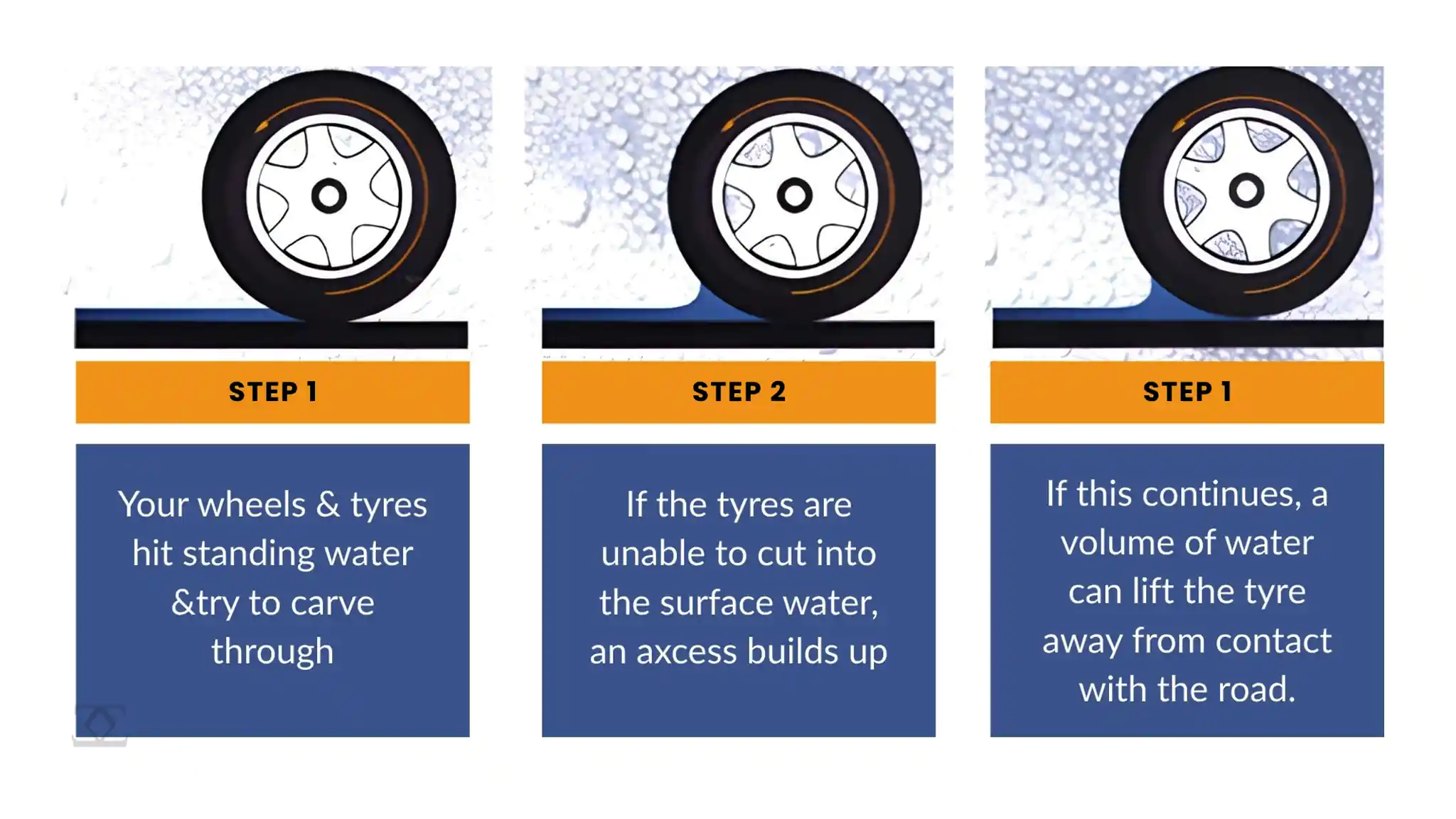
If you experience it:
The best prevention is simple:
Common Hazards
Common Rainy Season Hazards
Rain creates entirely new hazards on Northern Thailand’s roads.
Polished Road Surfaces
Many older roads become extremely slippery when wet, particularly polished concrete or smooth tarmac.
Painted Road Markings
White lines, arrows, pedestrian crossings, and reflective paint can become surprisingly slippery.
Diesel & Oil
There may be oily road surfaces after the first rainfall. The first 20–30 minutes of rain are usually the slipperiest.
Potholes
Many potholes fill completely with water, making them impossible to judge.
Gravel & Mud
Heavy rain washes gravel, leaves, and mud onto bends, particularly in mountainous areas. Always expect debris around blind corners.
Landslides & Fallen Trees
Mountain roads occasionally suffer small landslides or fallen branches during prolonged heavy rain. Reduce speed if riding through forested areas.
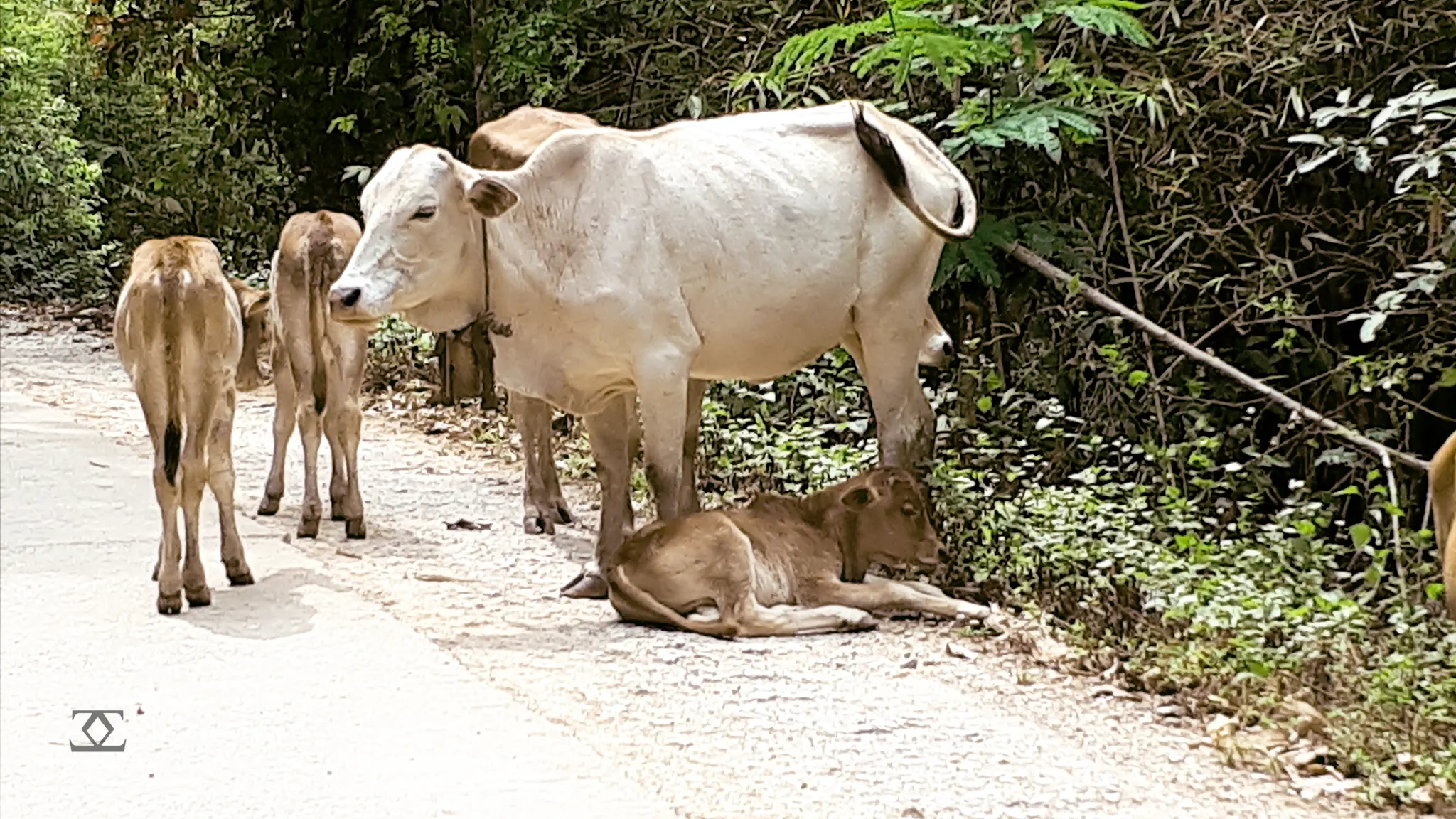
Domestic Animals & Livestock
Dogs, cats, buffalo, cows, dogs, chickens, and even elephants occasionally wander onto rural roads. Don’t assume they’ll move.
Fog & Low Cloud
Higher elevations such as Doi Inthanon, Doi Ang Khang, or Phu Chi Fah can disappear into thick cloud. Visibility can reduce dramatically.
Moss & Wet Leaves
Concrete roads in shaded mountain areas sometimes develop moss, or have wet leaves, making them incredibly slippery after rain. That has caught out many riders.
The Waiting Game
Waiting Out Heavy Rain
Sometimes the smartest decision is simply to stop. Fortunately, Thailand is full of cafés, roadside restaurants, and petrol stations where you can wait comfortably for a storm to pass.
I’ve spent many enjoyable afternoons sitting with a coffee watching tropical storms roll across the mountains.
Rainy season isn’t something to fight against. Sometimes it’s something to enjoy.
Rider Tips
Final Tips
In Closing
Final Thoughts On Rainy Season Riding
Although rainy season demands more concentration and respect, it also rewards riders with some of the most spectacular scenery Northern Thailand has to offer.
The mountains are greener, the waterfalls are flowing, the air is fresher, and the roads are often much quieter than during the cooler tourist season.
Ride within your limits, prepare your motorcycle properly, and don’t be afraid to stop for a coffee while a tropical downpour passes overhead.
For me, it’s one of the best times of year to be out on two wheels.
Happy trails, and ride safe.
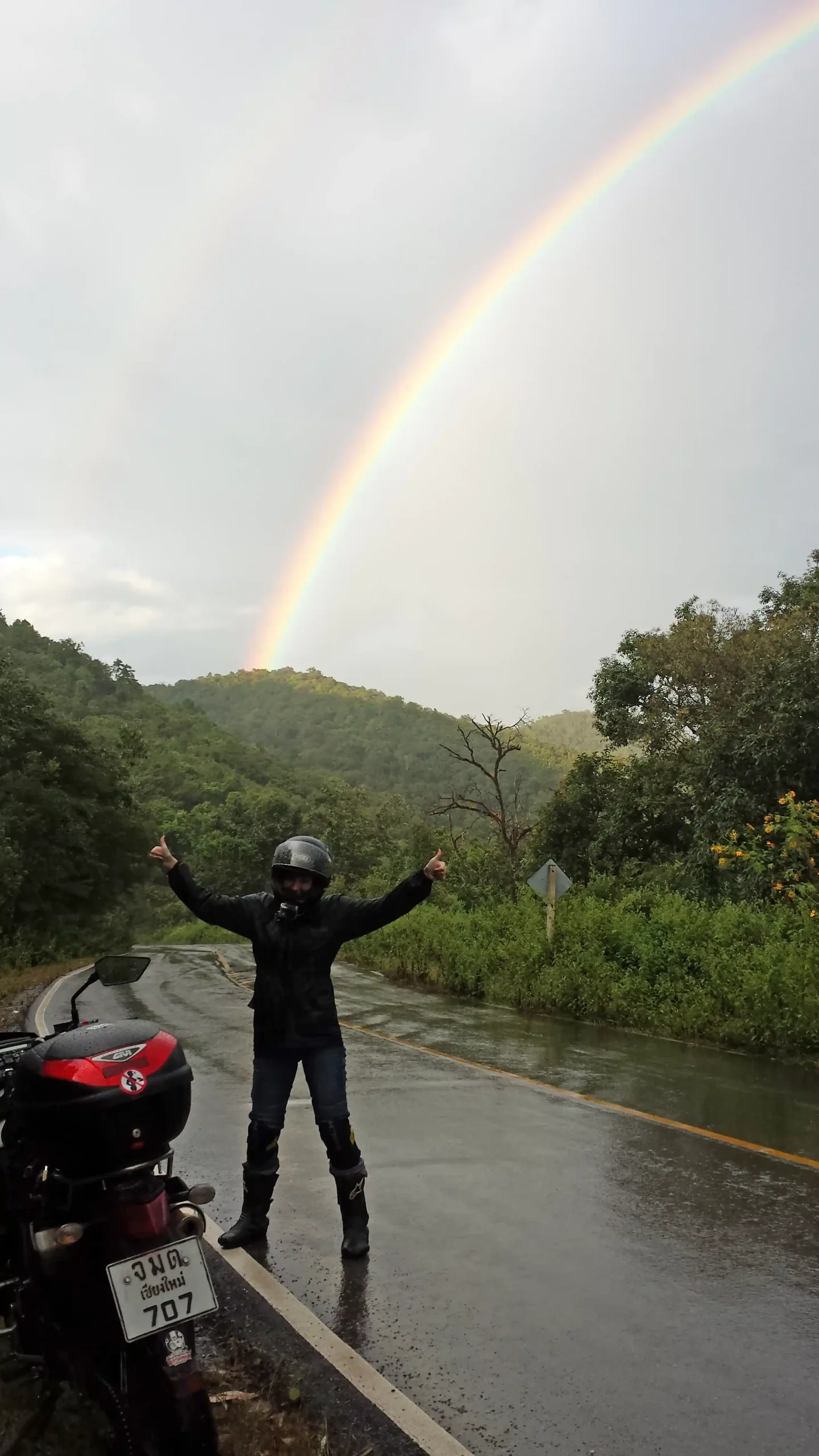
I hope you found this Rainy Season guide useful, if so, drop a comment and if you have questions I haven’t covered, drop them in the comments below.
Fenders are not foolishness. If you plan on riding for any length of time, or with others, install fenders on both wheels. It will quadruple your comfort factor and keep your vision crystal clear. It’s one of the unspoken rules that on rainy-day group rides you should never show up without fenders. going to the “Active Advantage” section and clicking on the “do not renew” link towards the bottom of the page
Great tips. Thanks.
Welcome Alex. Glad it helped! 😀