

Hot Climate Riding – Top Tips for Keeping Cool
Riding a motorcycle in hot weather can be physically demanding, especially in tropical countries like Thailand. High temperatures, humidity, and prolonged sun exposure can quickly lead to dehydration, fatigue, and even heat exhaustion if you’re not properly prepared.
Whether you’re commuting, touring, or spending all day exploring back roads, these practical tips will help you stay cooler, ride more comfortably, and reduce the risks associated with extreme heat.
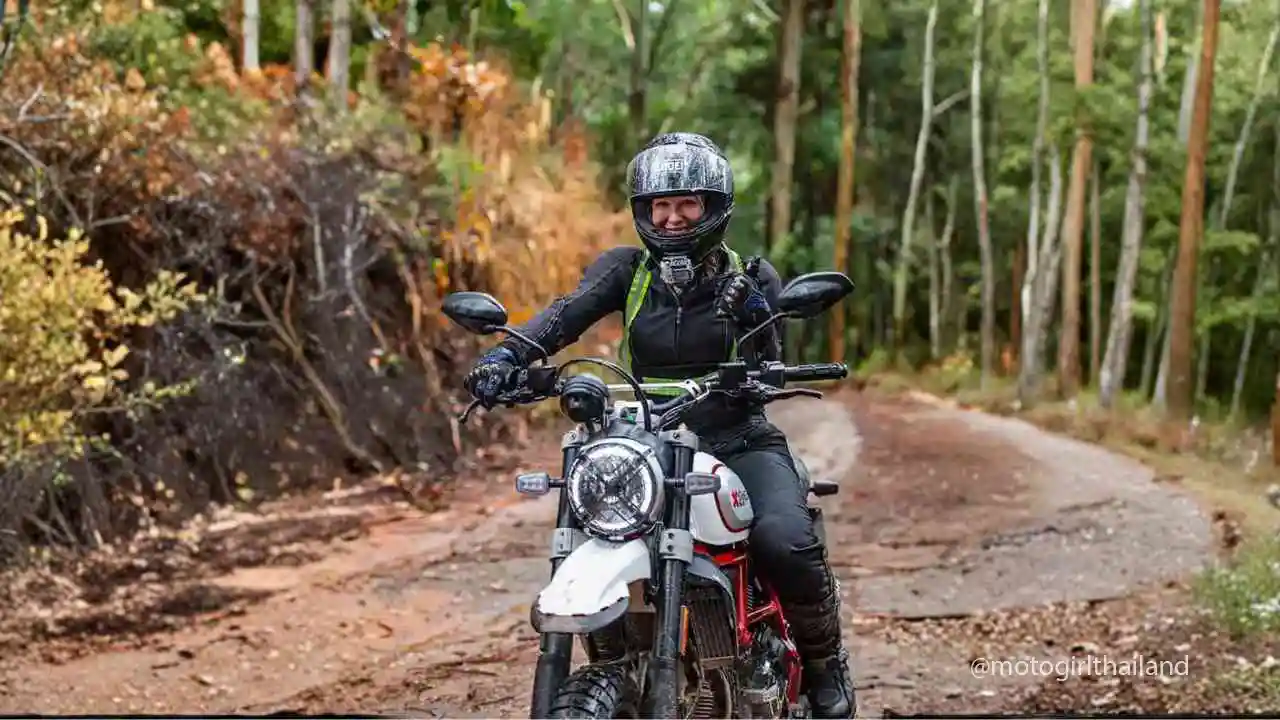
Click to close
Contents
How hot is too hot to ride a motorcycle?
There isn’t a specific temperature that’s too hot to ride, but once temperatures climb above 35°C (95°F), the risk of dehydration and heat exhaustion increases significantly. Riding safely becomes more about preparation than temperature alone.
Is mesh motorcycle gear safe?
Yes. Quality mesh gear provides excellent abrasion resistance while allowing significantly more airflow than traditional textile or leather jackets. Always choose motorcycle-specific protective gear with CE-approved armour.
How often should I drink water while riding?
Drink little and often. Using a hydration pack allows you to sip regularly rather than waiting until you feel thirsty, which is often a sign you’re already becoming dehydrated.
What are the signs of heat exhaustion?
Common symptoms include: excessive sweating, dizziness, headache, muscle cramps, nausea, weakness, confusion. If symptoms worsen or stop sweating altogether, seek shade immediately and cool down, as this may indicate heat stroke.
Is coconut water good for motorcyclists?
Yes. Coconut water naturally contains electrolytes and can help replace minerals lost through sweating, although plain water should still remain your primary source of hydration.
Is it safe to ride a motorcycle in Thailand during the hot season?
Yes, provided you take sensible precautions. Temperatures can regularly exceed 35–40°C, particularly between March and May, so staying hydrated, wearing ventilated protective gear, and taking regular breaks are essential.
What is the hottest time of day to ride in Thailand?
Although many people assume midday is the hottest, temperatures often peak between 3:00 pm and 4:00 pm. Whenever possible, plan longer rides for early morning or late afternoon to avoid the most intense heat.
Can I buy drinking water easily while riding in Thailand?
Yes. One of the advantages of riding in Thailand is that bottled water is readily available from 7-Eleven, Lotus’s Go Fresh, PTT, Bangchak, and other petrol stations, as well as small local shops throughout most of the country. However, if you’re heading into remote mountain or rural areas, it’s still wise to carry extra water.
Is Thailand’s humidity as much of a problem as the heat?
Absolutely. High humidity reduces your body’s ability to cool itself through sweating, making hot weather feel even more exhausting. On humid days, you’ll likely need to drink more water and take breaks more frequently than you would in a dry climate.
What should I do if I start feeling unwell from the heat while riding?
Pull over somewhere safe and shaded as soon as possible. Remove your helmet and jacket if appropriate, drink water, cool your body with wet clothing or cool water, and rest before continuing. If symptoms become severe—such as confusion, fainting, or loss of consciousness—seek medical attention immediately, as these may be signs of heat stroke.
1. The Right Gear
Choosing the Best Motorcycle Gear
The correct gear choices will make a huge difference to your comfort levels. Overheating from wearing gear that restricts airflow can be just as dangerous as wearing no gear due to being too hot. Thankfully, there are some great hot weather options available.
Mesh is best
Mesh gear is one of the best options for hot weather riding. Large mesh panels allow air to flow through the garment while still providing abrasion resistance and impact protection.
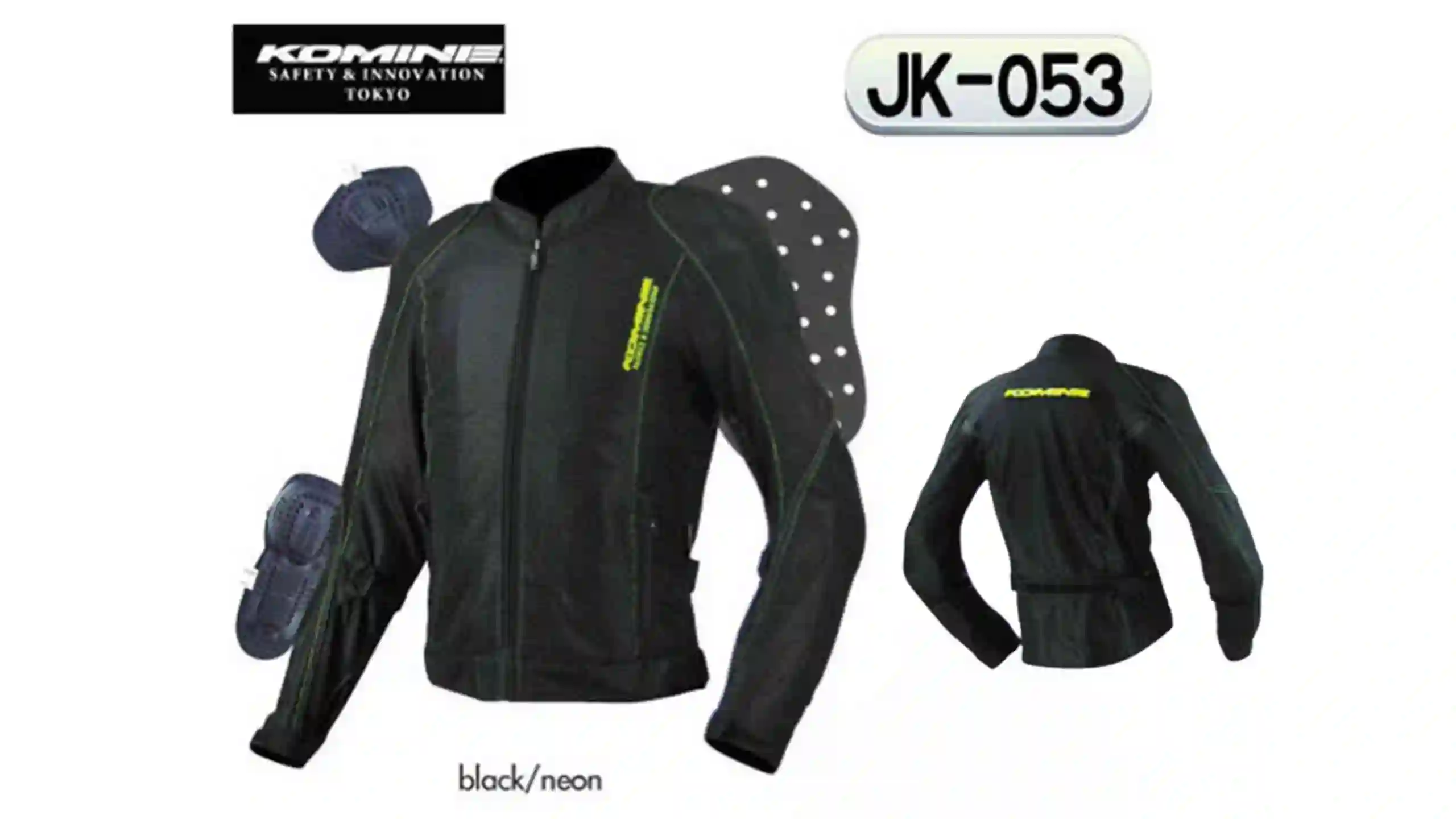
Most mesh jackets also include CE-approved armour at the shoulders, elbows and back, making them a much safer alternative to riding in everyday clothing.
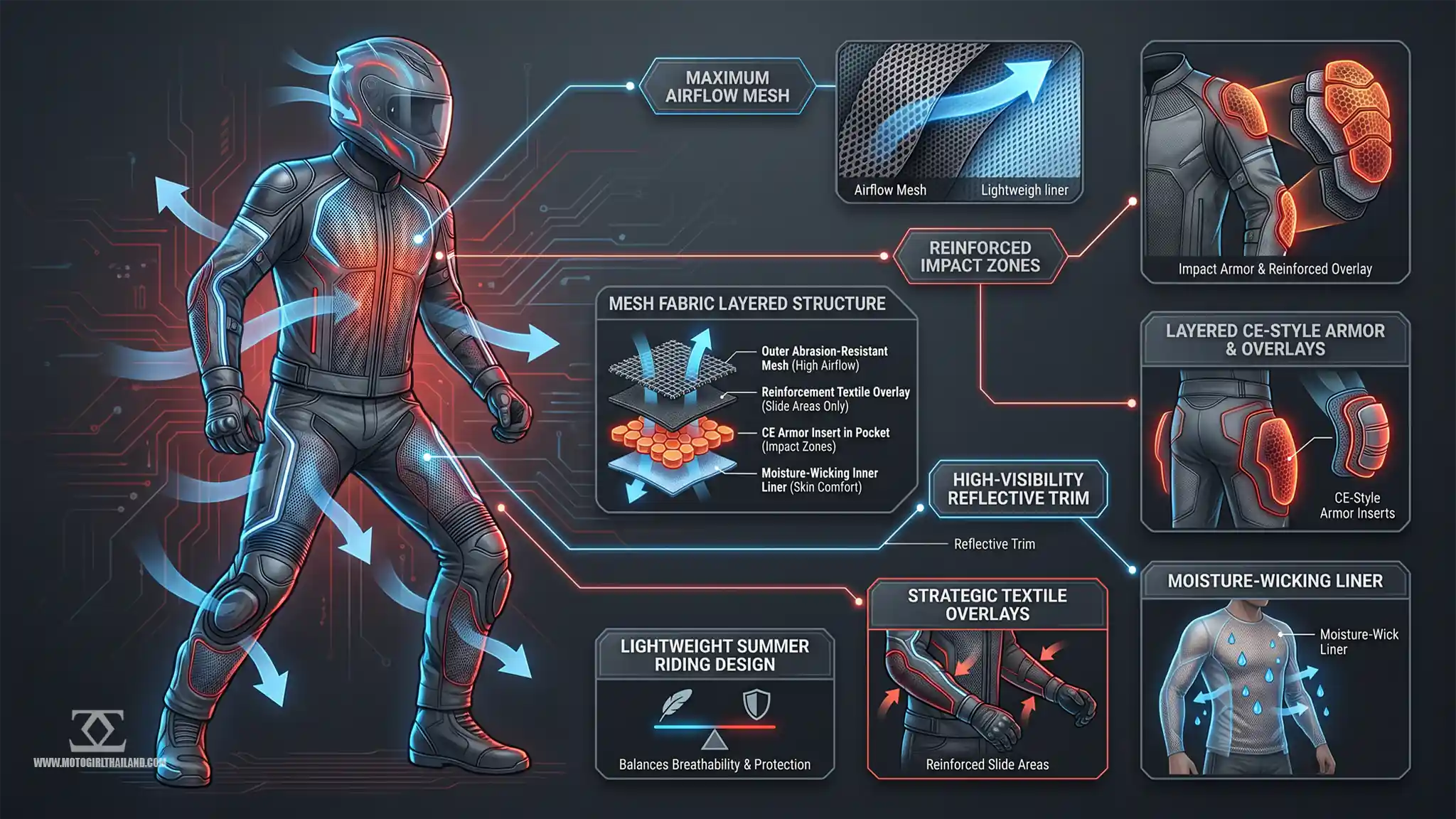
The full list of my own motorcycle gear is here.
Cooling Technology
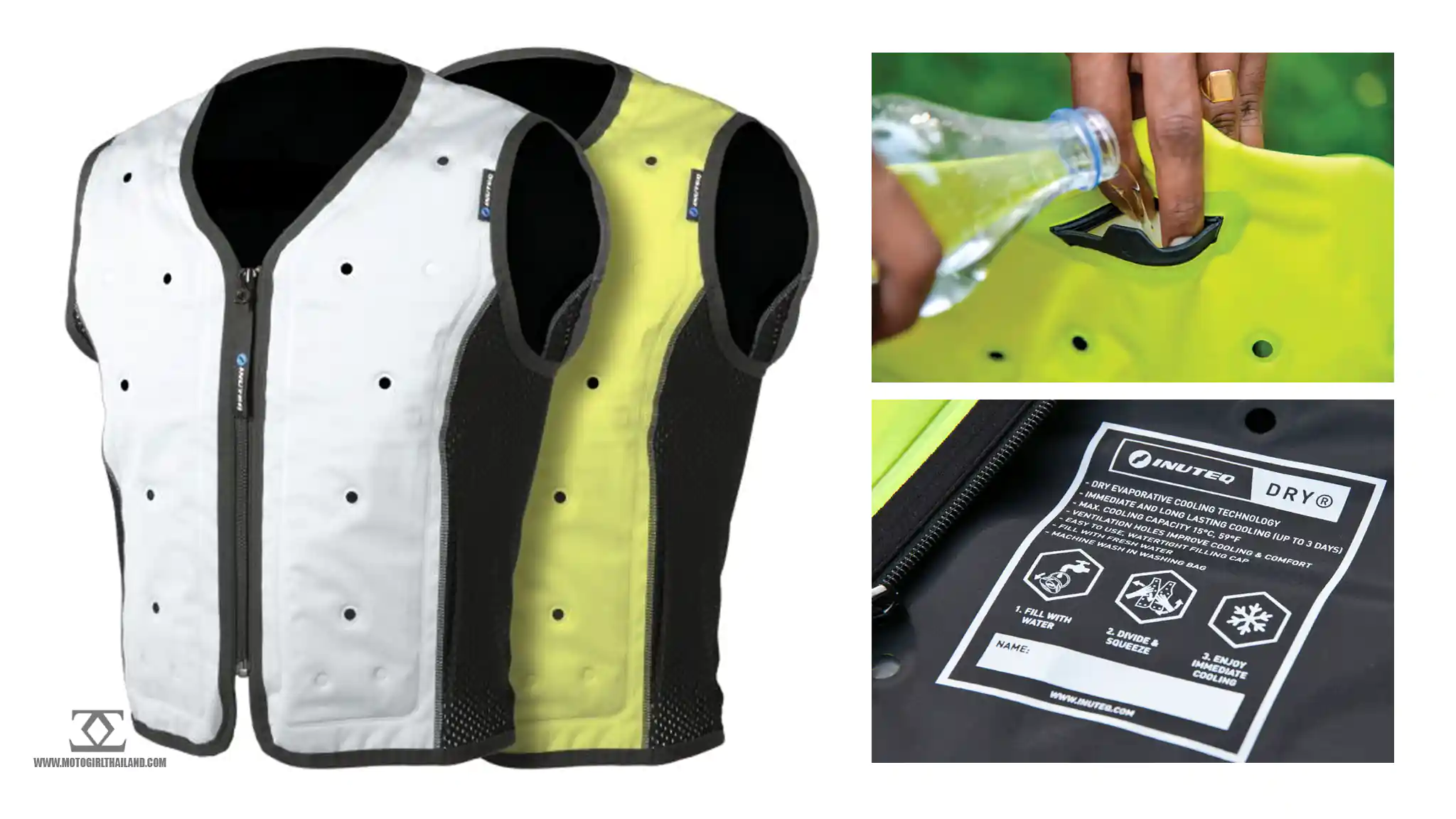
Additionally, cooling technology, such as a dry cooling vest (or similar), such as Inuteq brand can help also. I was sent one to try out, and found it helpful for keeping my body cool for longer periods. The downside is that it did get a little heavy, but that is also because I overfilled it initially. An alternative budget option for this vest is the wet cooling vest, which will dry out as you ride.
Specialised neck scarfs are great also. These scarfs use wet evaporative technology. These scarfs lower temperatures by up to 15°C below the ambient environment, providing 2 to 8 hours of relief.
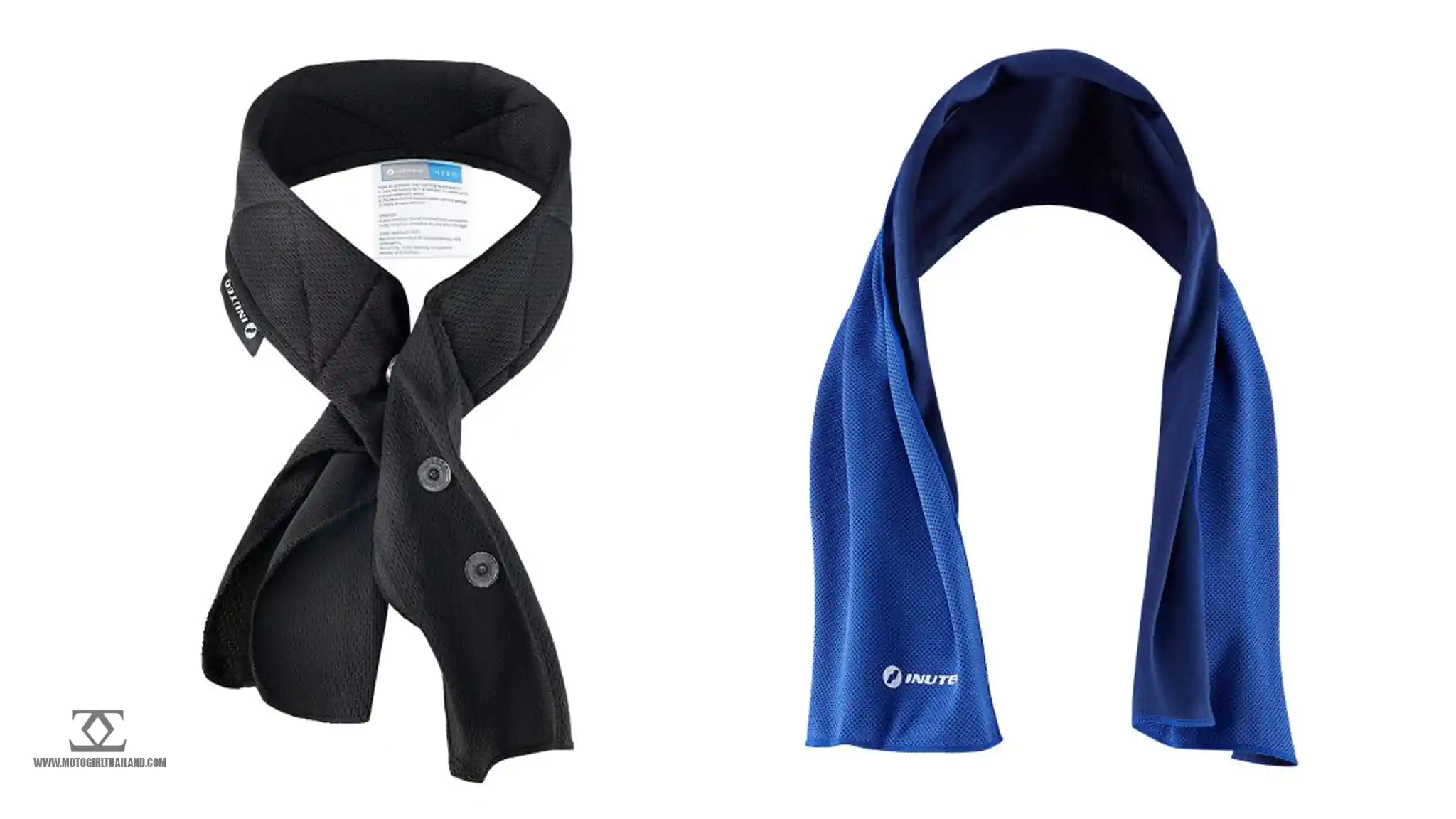
Regular neck scarfs can also help when soaking them, but the material dries out much faster than scarfs designed to hold water for longer.
Simple Cool Down Tip
If you find yourself overheating, simply soaking yourself down in restroom facilities, or using a water bottle, can instantly give relief. Alternatively soak your whole body (gear on!) in a local river or reservoir! The benefit of mesh gear and moisture wicking layers, means you can dry off whilst riding. It is a very refreshing way to keep your core body temperature down.
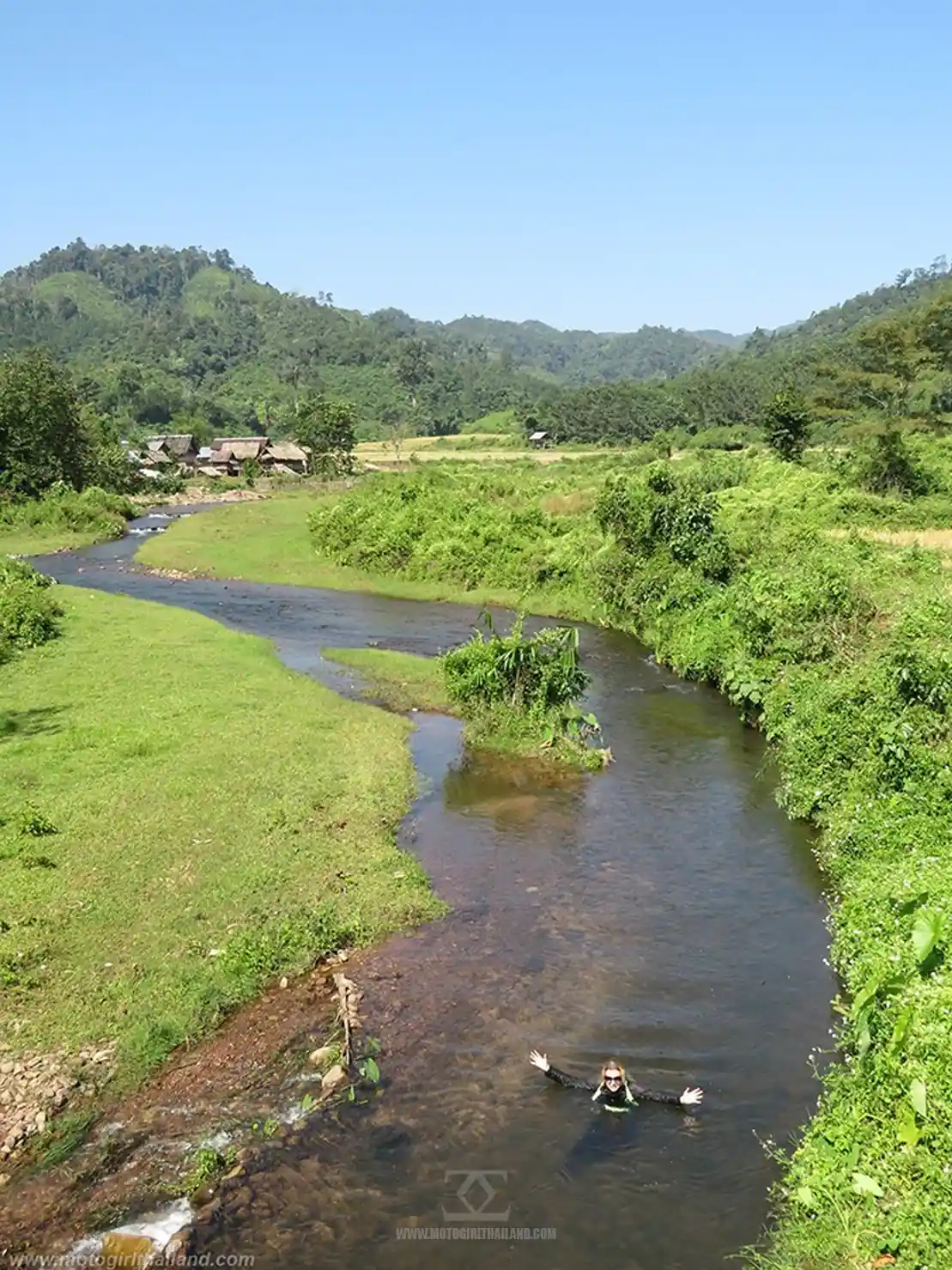
Also, using ice cubes can help. Stick ice cubes in your pockets or in a neck scarf and let them melt slowly as you ride.
2. Choosing The Best Time
Ride During Cooler Times of The Day
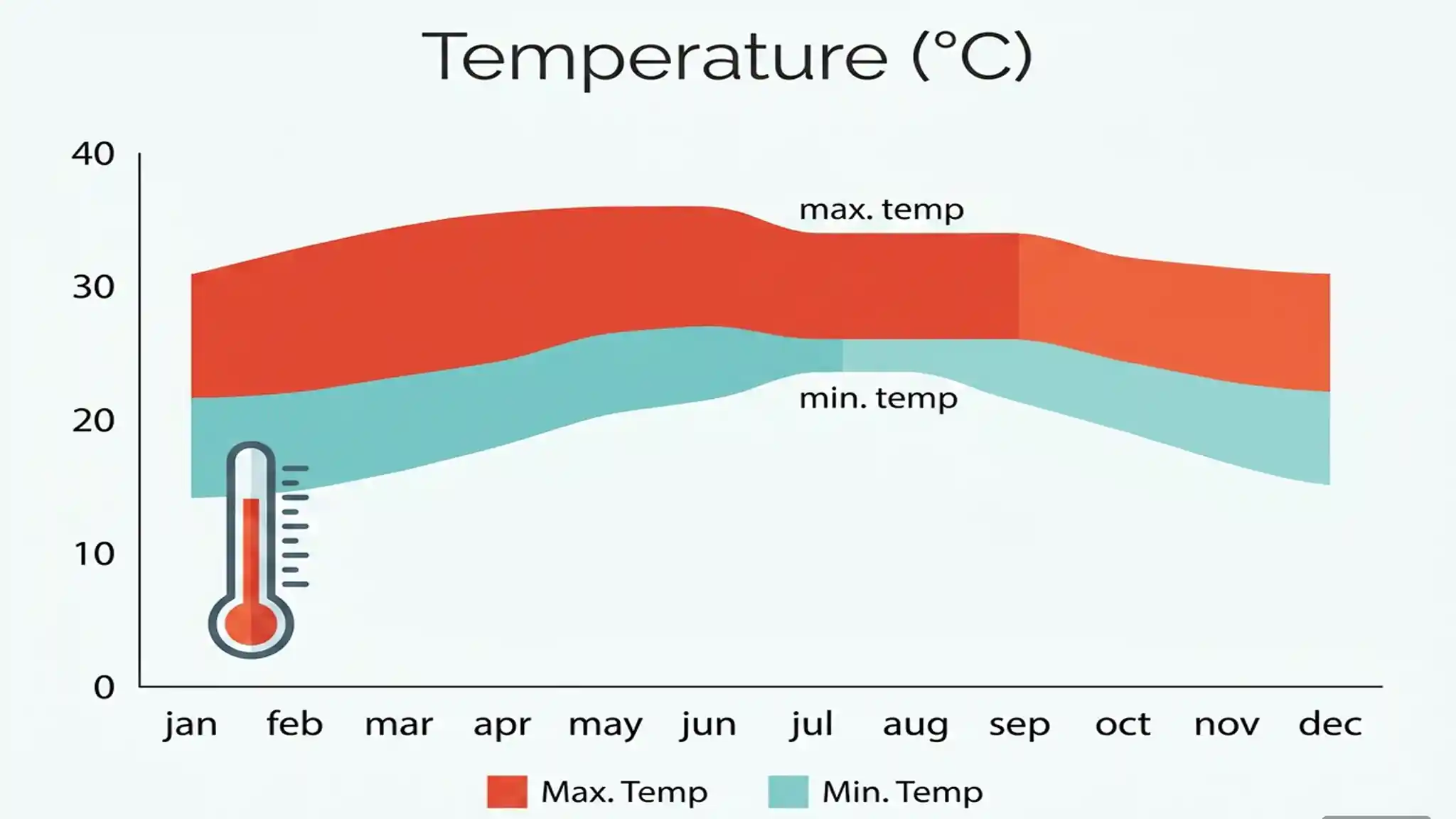
Aim to ride early in the morning and also later on in the afternoon, before sunset. Basically try to get as much riding done before the high heat times of between 11am and 4pm (although not always possible of course). Keep in mind that despite most believing that midday is the hottest time of day, it is in fact between 3pm and 4pm that heat levels are at their most intense.
3. Hydration
Maximize Hydration
Regular hydration is paramount. Heat stroke can catch up on you quickly, without you realising. Ensuring you hydrate properly at regular intervals can prevent this.
Hydration Pack
One way to ensure you keep hydrated is to use a water bladder. Sipping on water using a hydration pack to keep yourself regularly hydrated is much better than glugging down a bottle of water at odd intervals. This will lower your risk of heat exhaustion and your body will thank you.
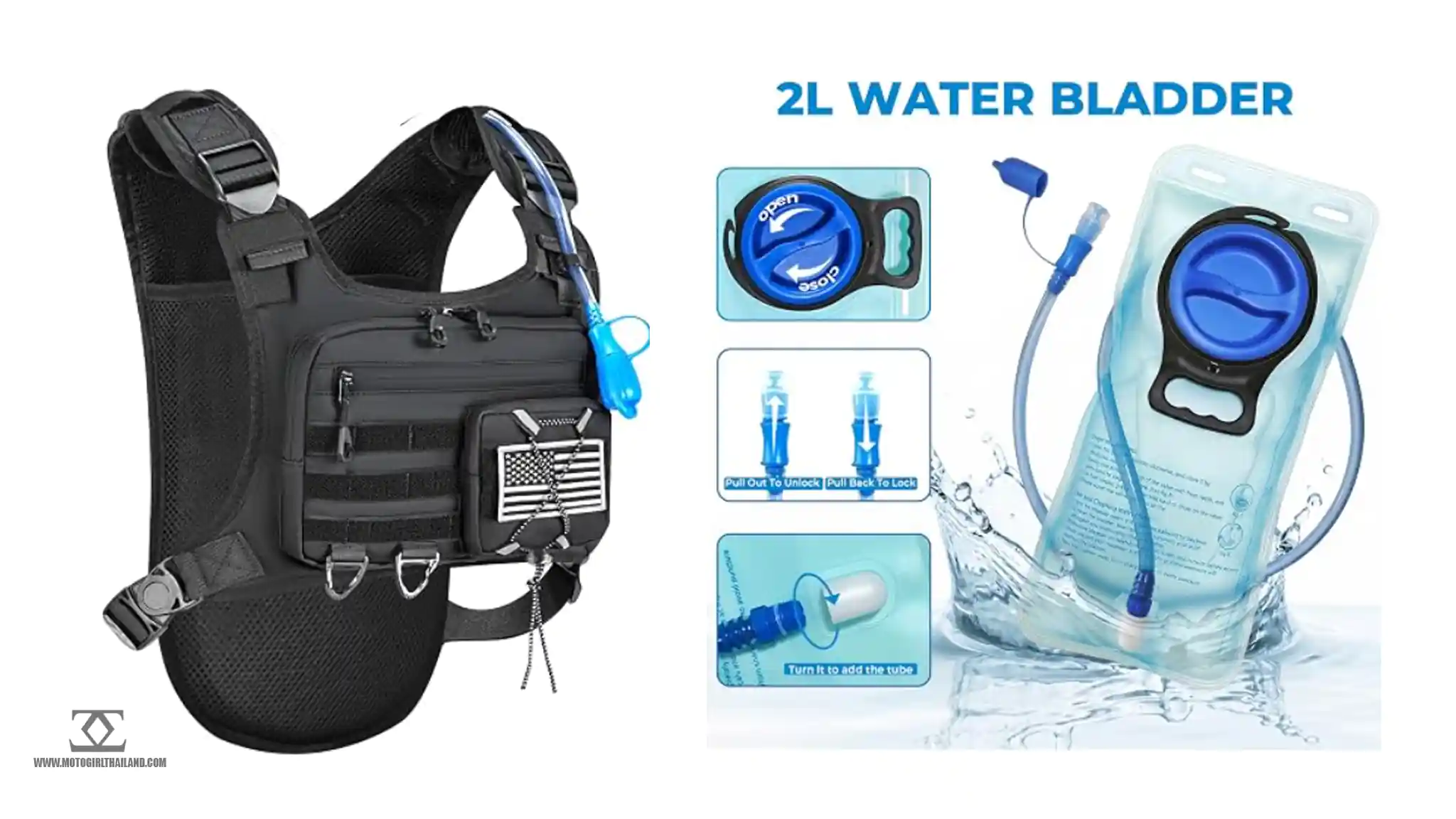
Pack Extra Water
If you are going off-the-beaten-track or there is a chance of not being anywhere you can get fresh clean water, then pack extra water. A neat trick is to freeze a bottle of water beforehand (make sure to leave room for ice expansion though. So do not fill the water bottle to the brim), that way it stay chilled for some time when riding.
Additionally, make your own hydration sports drink, as this can help replace lost electrolytes.
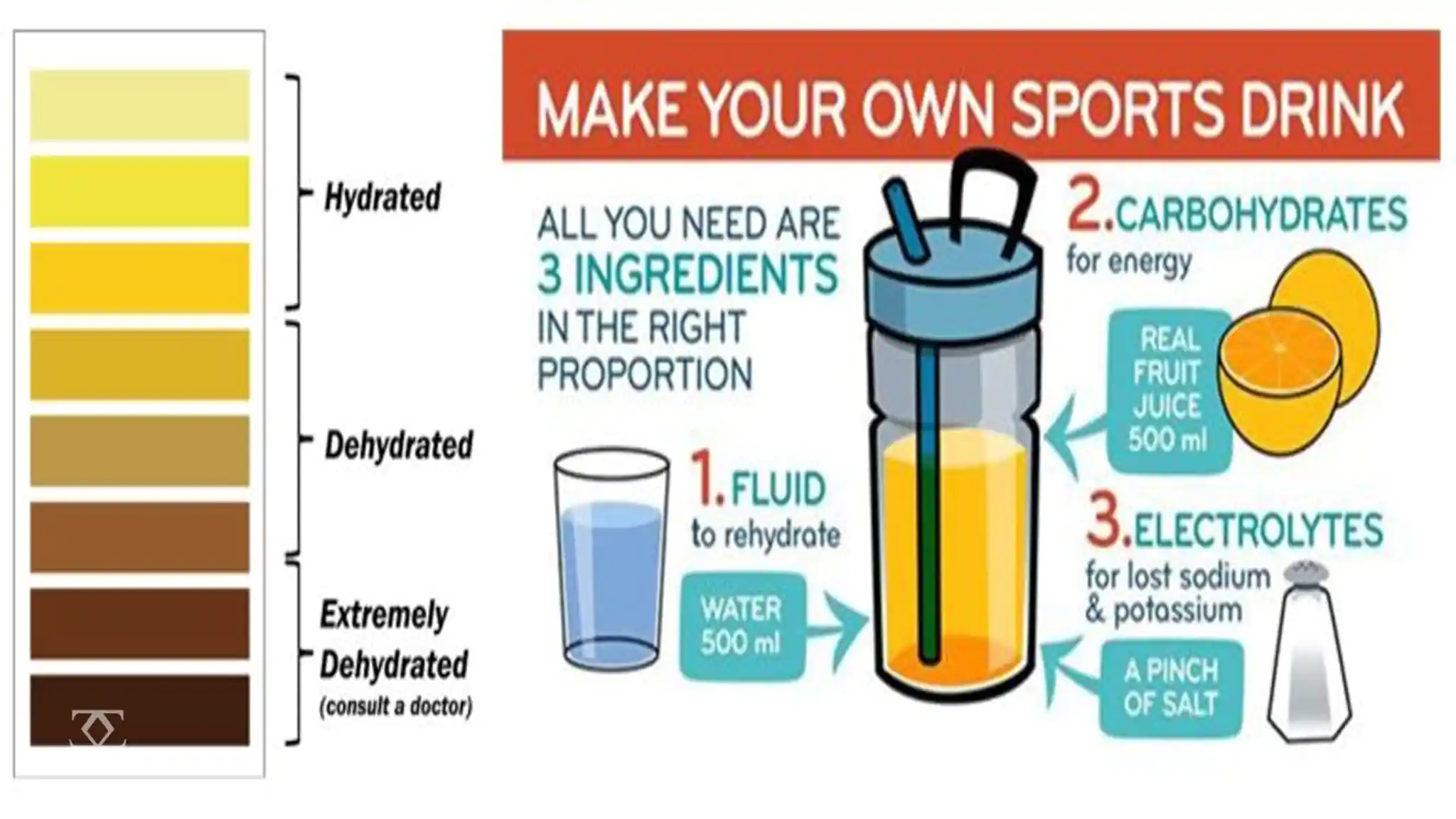
Or, drink coconut water. Coconut water is a fantastic source of natural electrolytes.
Check Hydration Levels
A simple way to check hydration levels, is to keep an eye on your Urine colour. You want it to be clear. Darker shades indicate levels of dehydration. Deep-coloured urine combined with headaches are early signs of severe dehydration, and chances are that heat stroke will follow. Heat stroke is not to be taken lightly. It can and does kill.
I may seem extreme regarding hydration, but I have seen a lot of riders chug down cola and coffees on rides to keep going. Diuretic drinks such as caffeine and alcohol will cause you to urinate more and lose water. Keep your body happy with drinks that will keep you properly hydrated.
Summary
Ride Smart, Stay Cool
Riding in hot weather doesn’t have to be uncomfortable, but it does require a little extra preparation. Wearing well-ventilated protective gear, staying hydrated, planning your rides around the cooler parts of the day, and taking regular opportunities to cool down can make a huge difference to both your comfort and safety.
Remember that heat exhaustion and dehydration can creep up on you without warning. Listen to your body, take breaks when needed, and don’t push yourself just to reach your destination a little sooner.
With the right approach, riding in tropical climates like Thailand can be an incredibly rewarding experience. Respect the heat, prepare accordingly, and you’ll be able to enjoy the journey just as much as the destination.
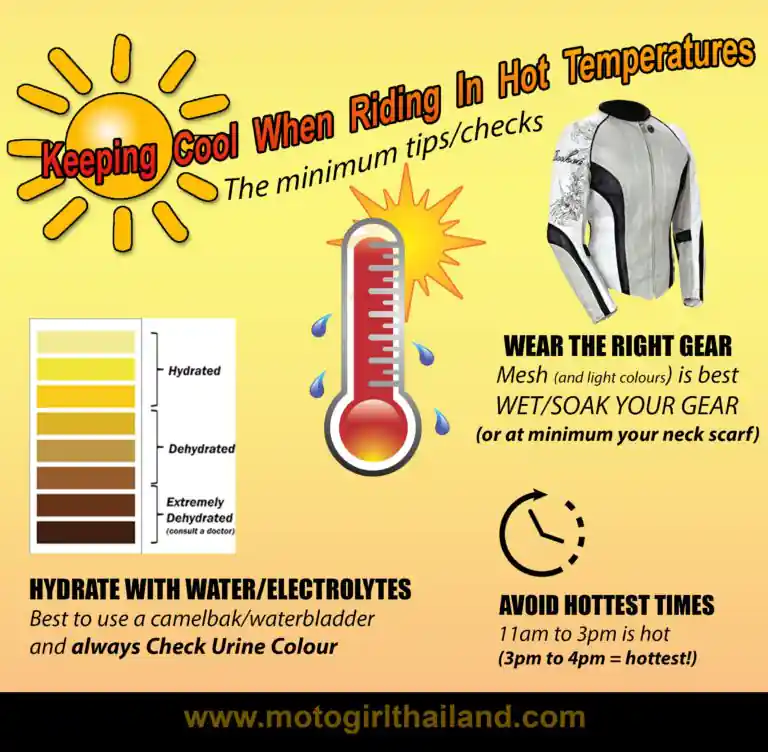
Taking every opportunity to cool yourself down when riding in tropical climates will help keep your motorcycle trip safe, comfortable, and enjoyable from start to finish.
I hope you found this Hot Climate Riding Guide useful. If you have questions I haven’t covered, drop them in the comments below.
Its a good idea to always stop in the shade, at (near)traffic lights etc
and its always cooler when youre moving, so go for a ride!
Good point Alex! Thanks.