
Pai Travel Guide: What to Do, Where to Stay & Best Things to See
Pai | Mae Hong Son Province | Free Guide
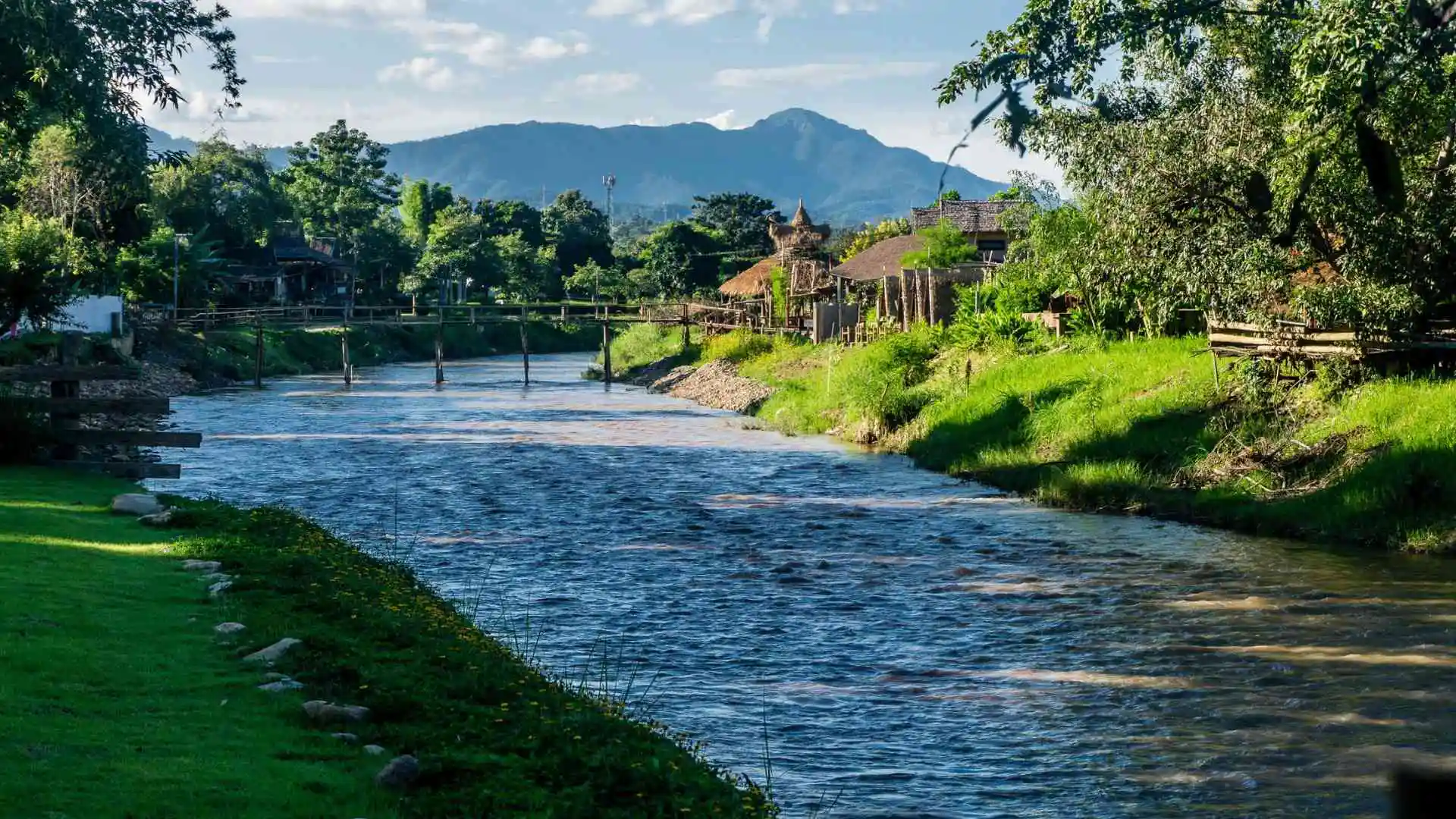
Pai is one of those places in Thailand that people often plan to visit for two days and then somehow stay for a week. Set in a mountain valley in Mae Hong Son province, it mixes misty mornings, hot springs, easy day trips, bohemian cafés, and a night market that still feels relaxed rather than overproduced..
These days, Pai as more developed than it once was, but still relaxed and beautiful, which is why Pai appeals equally to backpackers, couples, road-trippers and slower travellers.
Key Pai Info
Pai is a small mountain town set within a wide valley in Mae Hong Son province, close to the Myanmar border. While the town itself is compact, with a registered population of roughly 3,000–4,000 people, the wider Pai district is home to around 25,000 residents spread across rural villages and mountains.
Originally a quiet market village inhabited mainly by Shan (Tai Yai) people, Pai has evolved into a tourism hub while still retaining elements of its cultural roots.
The surrounding area is ethnically diverse and home to several hilltribe communities, including Karen, Hmong, Lisu, Lahu, and Lawa. These groups live throughout the valley and surrounding mountains, each with distinct traditions, languages, and ways of life.
Pai
Mae Hong Son
Nov – Feb
Best Season
3-5
Recommended Days
Click to close
Contents
Where is Pai located?
Pai is a small mountain town in Mae Hong Son Province in northern Thailand, about 3–4 hours from Chiang Mai, depending on road conditions and stops.
How do you get to Pai?
The most common way is by road via the famous 762-curve route from Chiang Mai. You can travel by scooter, car, private transfer, or minivan. There are also occasional flights, though they are limited and less reliable.
Is Pai worth visiting?
Yes, if you enjoy nature, relaxed vibes, and scenic riding. Pai is known for its mountains, viewpoints, hot springs, and laid-back atmosphere. It’s less about major attractions and more about the overall experience. It is, however, very touristic, so keep that in mind.
How many days should I spend in Pai?
2–3 days is ideal for most visitors. This gives you enough time to explore waterfalls, viewpoints, and nearby attractions without rushing.
When is the best time to visit Pai?
The best time is during the cool season (November to February) when the weather is more comfortable and skies are clearer. Burning season (March–April) can bring heavy smoke, and the rainy season (May–October) offers lush scenery but slippery roads.
Is the road to Pai dangerous?
The road is famous for its 762 curves. It’s not inherently dangerous, but it requires focus and confidence, especially on a motorbike. If you’re inexperienced, a minivan or car is the safer option.
Can beginners ride a scooter to Pai?
Honestly, it’s not recommended. The route involves steep hills, sharp bends, and unpredictable traffic. It’s better suited to confident riders.
Is Pai safe for solo travelers?
Yes, Pai is generally very safe and popular with solo travelers. Like anywhere, basic precautions apply, especially at night or when riding.
What is there to do in Pai?
Popular things include: Night market and walking street, Pai Canyon, Waterfalls (like Mo Paeng), Hot springs, Bamboo Bridge, Sunset viewpoints.
Is Pai too touristy?
Pai is definitely more developed than it used to be, especially around the walking street area. However, it still retains a relaxed, small-town feel, especially if you explore outside the center.
What is Pai Walking Street?
It’s the town’s main evening attraction, filled with food stalls, small shops, live music, and a social atmosphere. It’s a big part of Pai’s charm.
Can you visit Pai as a day trip from Chiang Mai?
It’s possible, but generally not recommended. The journey is long and winding, so staying at least one night makes the trip far more enjoyable.
Is there good internet in Pai?
Most cafés, accommodations, and coworking spaces offer reliable Wi-Fi, making Pai popular with digital nomads.
Do you need cash in Pai?
Yes, while some places accept cards, many smaller cafés, markets, and local spots are cash-only. ATMs are available in town.
What should I wear in Pai?
Casual and comfortable clothing is fine. Evenings in the cool season can get surprisingly chilly, so bring a light jacket.
Is Pai a party destination?
It can be, depending on where you go. There are hostels and bars with a party scene, but Pai is more known for its chilled, bohemian vibe rather than full-on nightlife.
Posts & Detailed GPS Guides which include Pai
The Pai Loop
Epic Mae Hong Son Loop – An Epic Twist!
The Mae Hong Son Loop
Travel Info
How to Get to Pai
The main gateway is Chiang Mai. You can travel to Pai either by your own transport, private tour/driver or minivan, (previously, you could also fly. However, Pai airport is currently no longer operating for normal visitor use). The main route is scenic and famously twisty.
If you are prone to motion sickness, prepare for it. If you are not a confident or experienced rider, the route is not recommended. The route is approximately 130 KM, taking approximately 3 Hours, but add additional time if you are an unexperienced driver/rider.
By Minivan
Minivans are the easiest budget option. However, they are notorious for speeding, so expect a cramped and uncomfortable trip. Prices and times vary by operator and season, so check up-to-date schedules and book in advance during busy months.
By Private Tour/Driver
Private tours/drivers are pricier but much more comfortable than minivan. Additionally, the driver will normally stop at interesting points along the way, giving you a chance to enjoy the journey more.
By Private Vehicle
Self-driving or by motorcycle is the most enjoyable way to get to Pai, if you are an experienced driver/rider. It can also be dangerous. Extreme caution is required. If you would like a guide to riding the route or have an alternative quiet way to ride to Pai, I recommend The Pai Loop Guide – which includes GPS waypoints and all you need for a great ride.
Detailed GPS Guides which include Pai
Mae Hong Son Loop Cost: Complete 2026 Budget Guide
Epic Mae Hong Son Loop – An Epic Twist!
The Mae Hong Son Loop
The 4009: An Epic “Small Gem” Route in Northern Thailand.
Best Time to Visit Pai
Warning Period for Pai
Where to Stay in Pai
The most useful way to explain Pai accommodation is by area rather than by endless hotel list. Stay central if you want nightlife and walkability, stay just outside town if you want a quieter boutique feel, and stay in the countryside if you want the dreamy Pai version of bungalows, mountains and rice fields.
| Area | Best for | Atmosphere | Suggestions |
|---|---|---|---|
| Town centre / Walking Street | First-timers, short stays, nightlife | Lively, convenient, walkable | 1. Pai Village Boutique Resort, 2. Heart of Pai Resort |
| South of the river / southern side of town | Couples, quieter stays close to town | More peaceful but still handy | 1. Reverie Siam Resort, 2. Pai Apart Hotel |
| Mae Hi / rural edge of Pai | Scenic stays, scooter travellers, slower pace | Rice fields, farm views, relaxed cafés | 1. Family House Zen Boutique Resort, 2. The Oia Pai Resort |
| Countryside and outer valley | Repeat visitors, digital nomads, peace and quiet | Classic Pai bungalow feeling | 1. Boutique bungalows, 2. small resorts and longer-stay rentals |
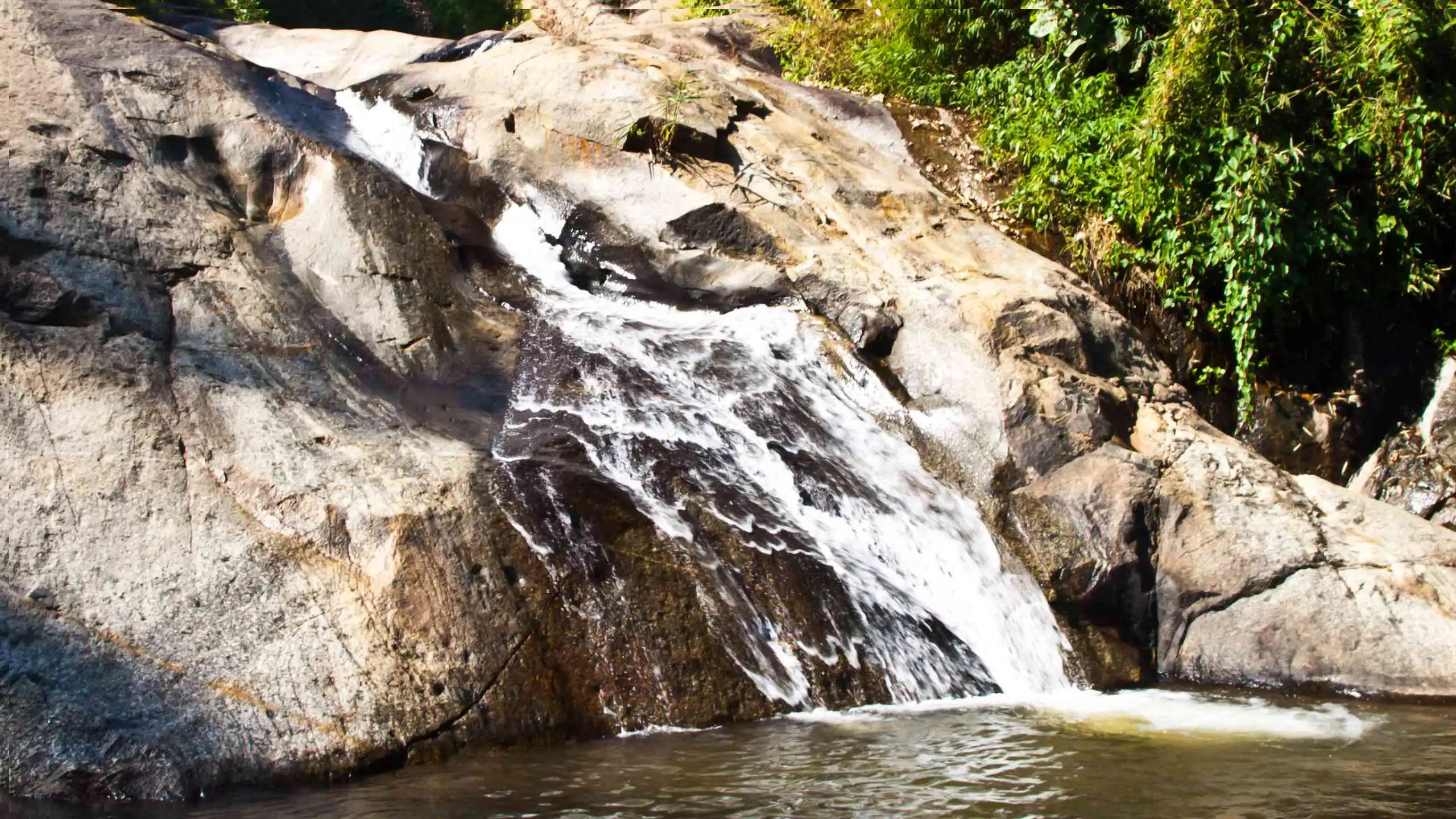
What to do in Pai
Things to see & do in Pai
Highlights:

Sunset at Pai Canyon
Pai Canyon (Kong Lan) is one of the most iconic spots in Pai, best known for its narrow ridgelines and sunset views over the valley. The terrain is dry, dusty, and uneven, with steep drops on either side in places — so take care and wear proper footwear.
8
KM
15
Mins
Paved
straight
*from Town Centre
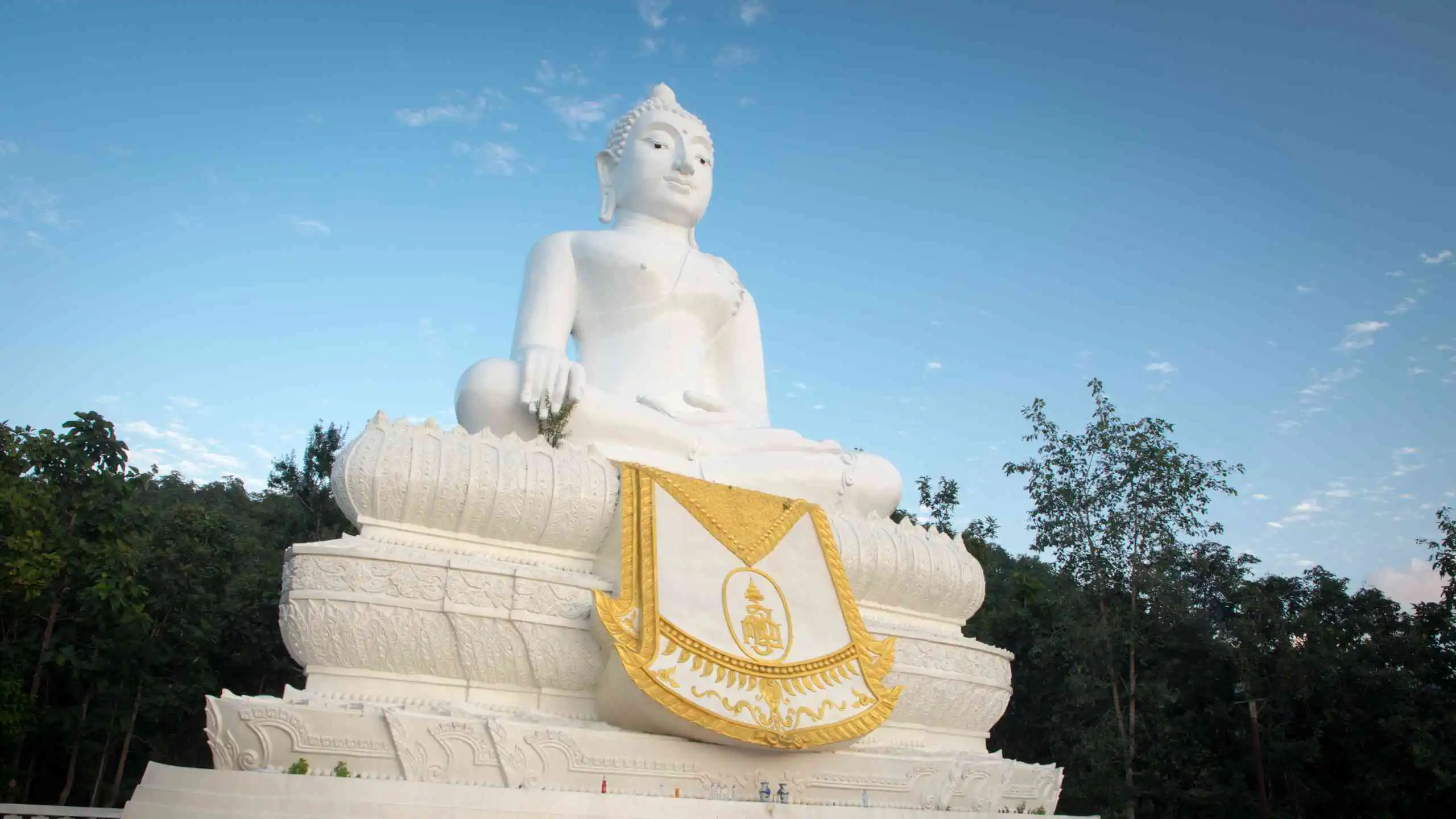
Climb Wat Phra That Mae Yen
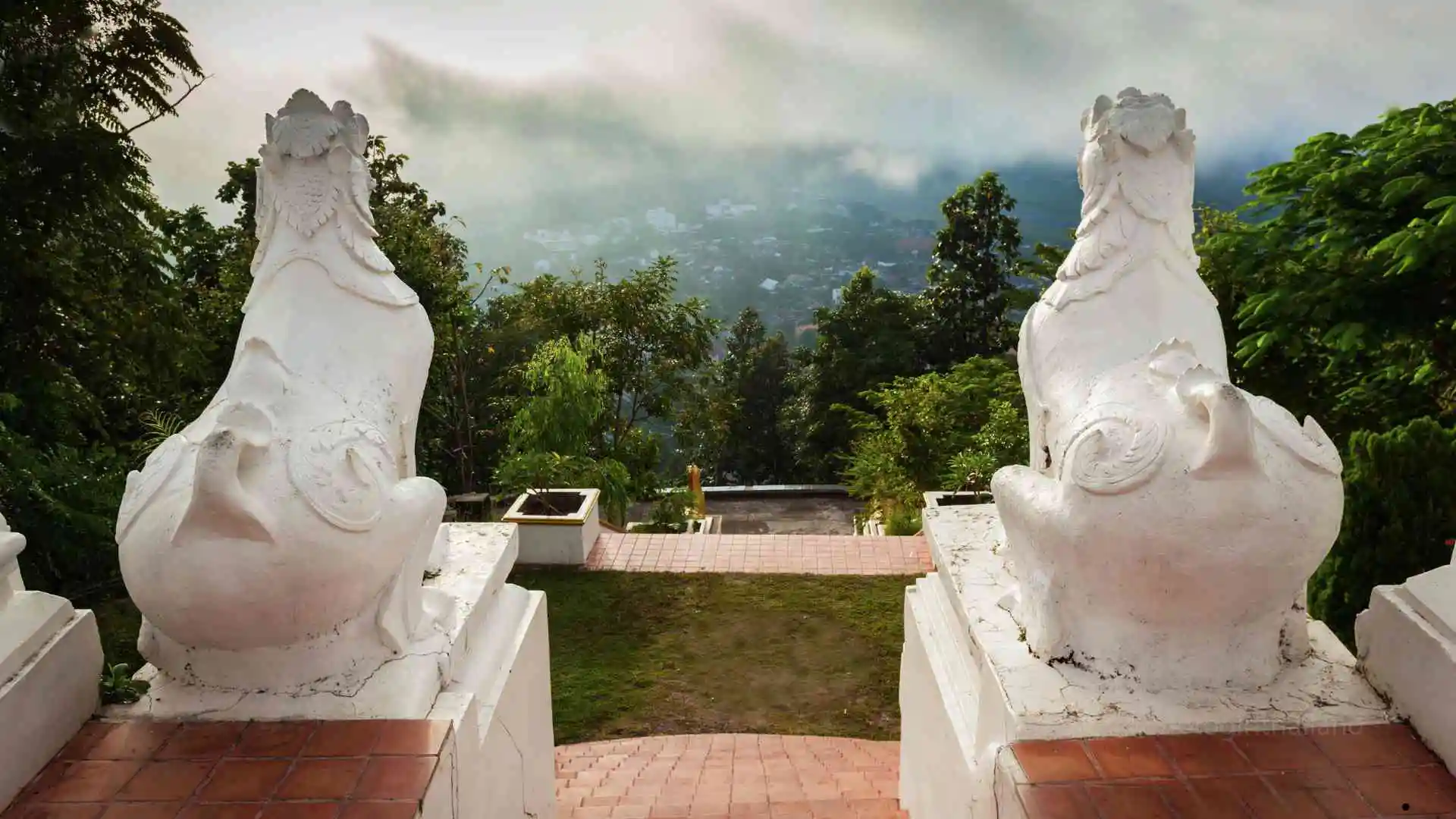
The White Buddha overlooking Pai offers one of the best panoramic views of the valley. A short but steep stair climb rewards you with wide, open views — ideal for sunrise or late afternoon when temperatures are cooler.
2
KM
5
Mins
Paved
straight
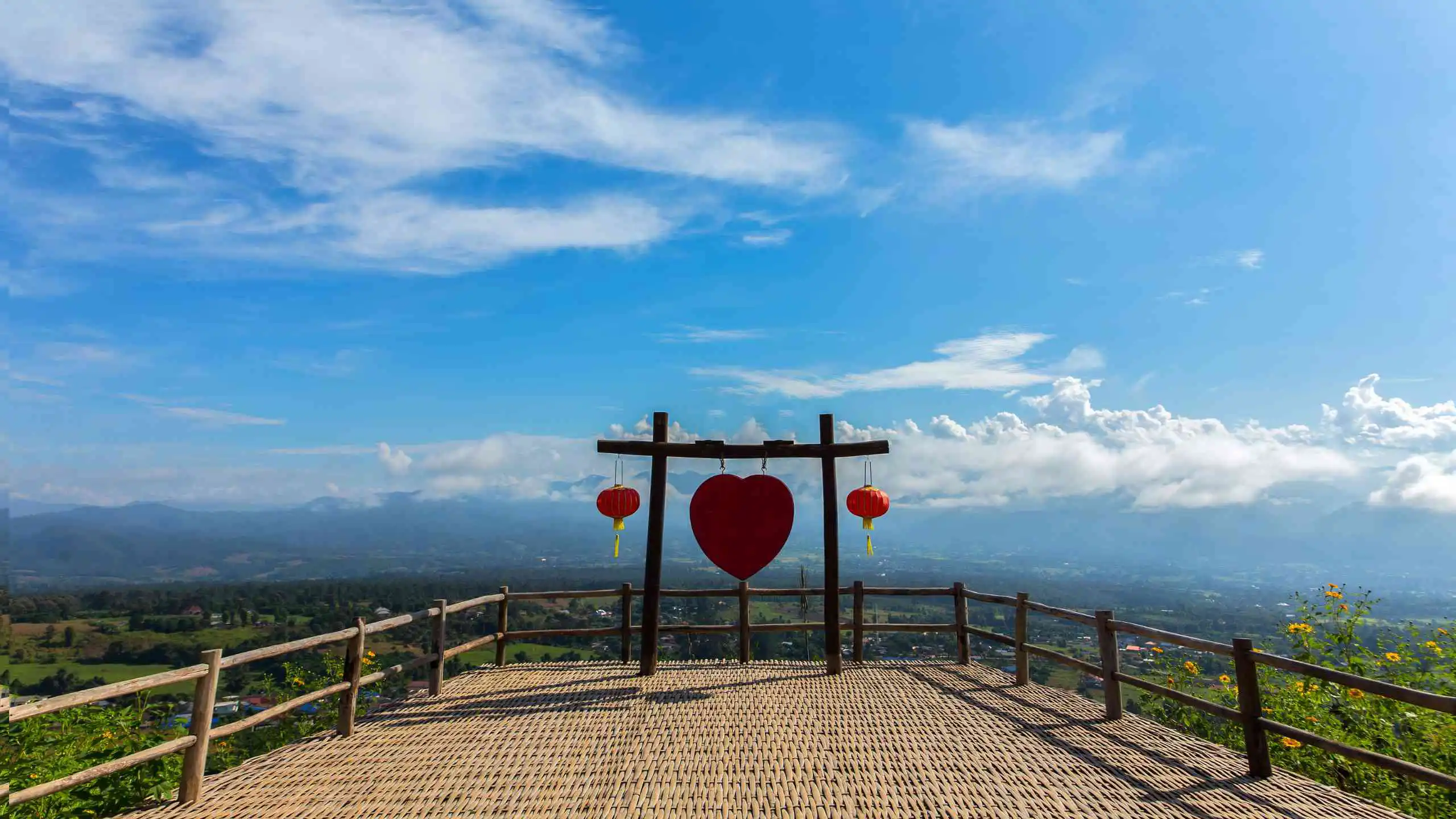
Sunrise at Yun Lai Viewpoint
If sunrise is your thing, Yun Lai is the place to set the alarm for. It is one of the best spots in Pai for the morning mist and sunrise, paired with a cup of hot tea and a follow-on visit to Santichon Village. In winter especially, this is one of the most atmospheric ways to begin a day in Pai.
6
KM
15
Mins
Paved
Curvy
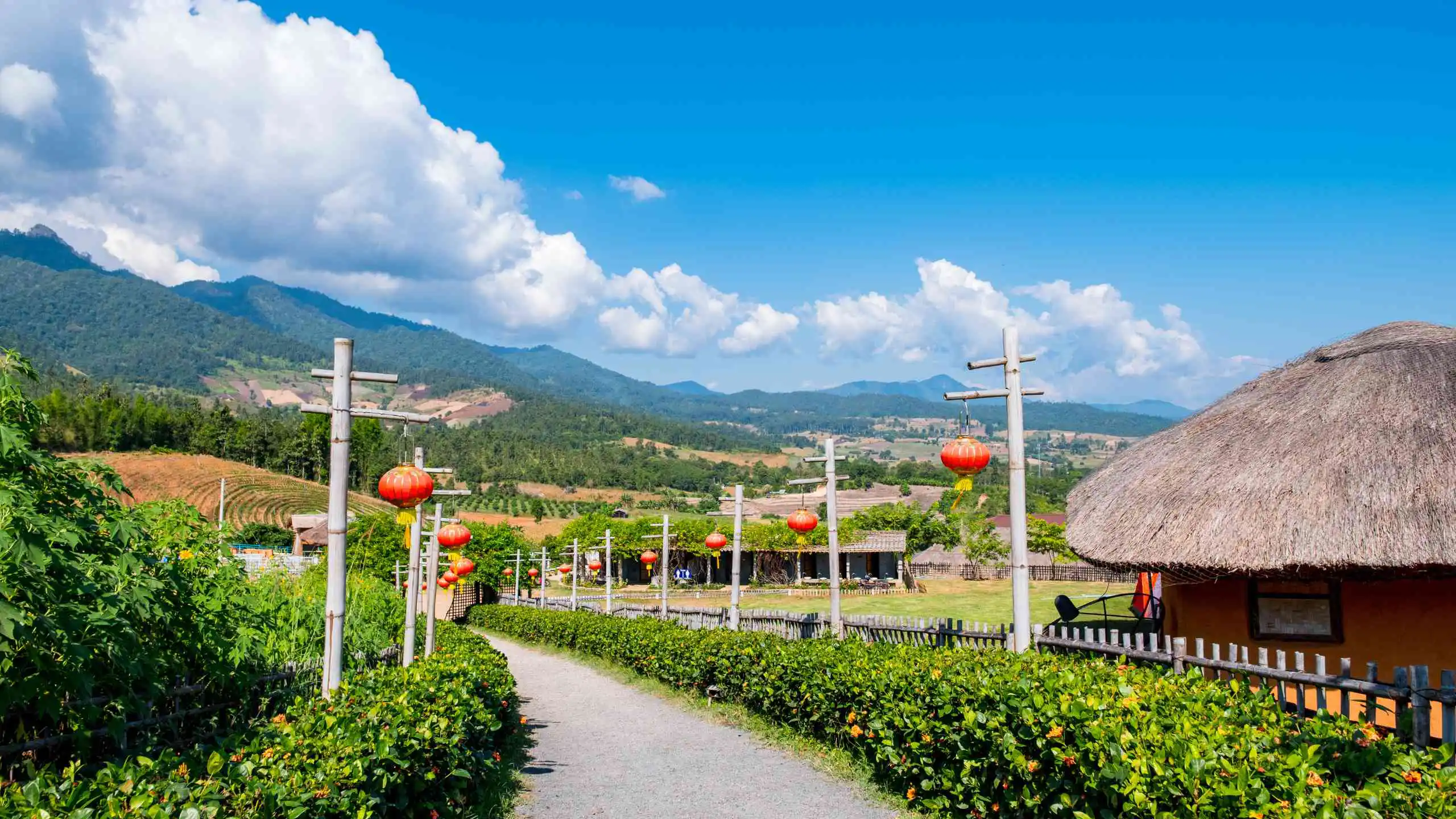
Visit Santichon Village
A Yunnanese-style village offering tea, snacks, and a cultural contrast to Pai town. It’s a relaxed stop rather than a must-see, but worth combining with Yun Lai for a short morning loop. The village is free, but activities within the village vary in price.
5
KM
15
Mins
Paved
Curvy
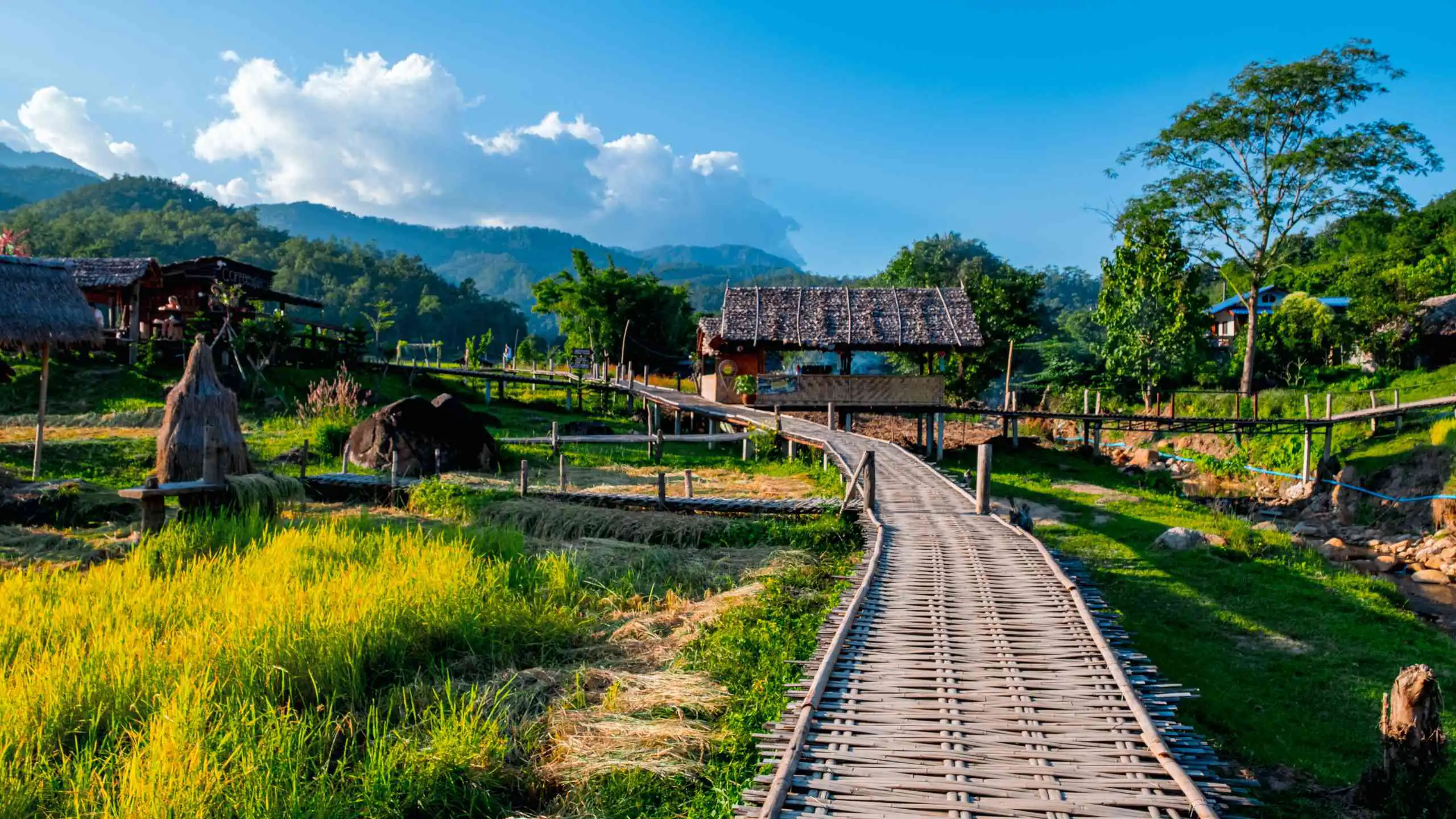
Walk the Boon Kho Ku Sui Bridge
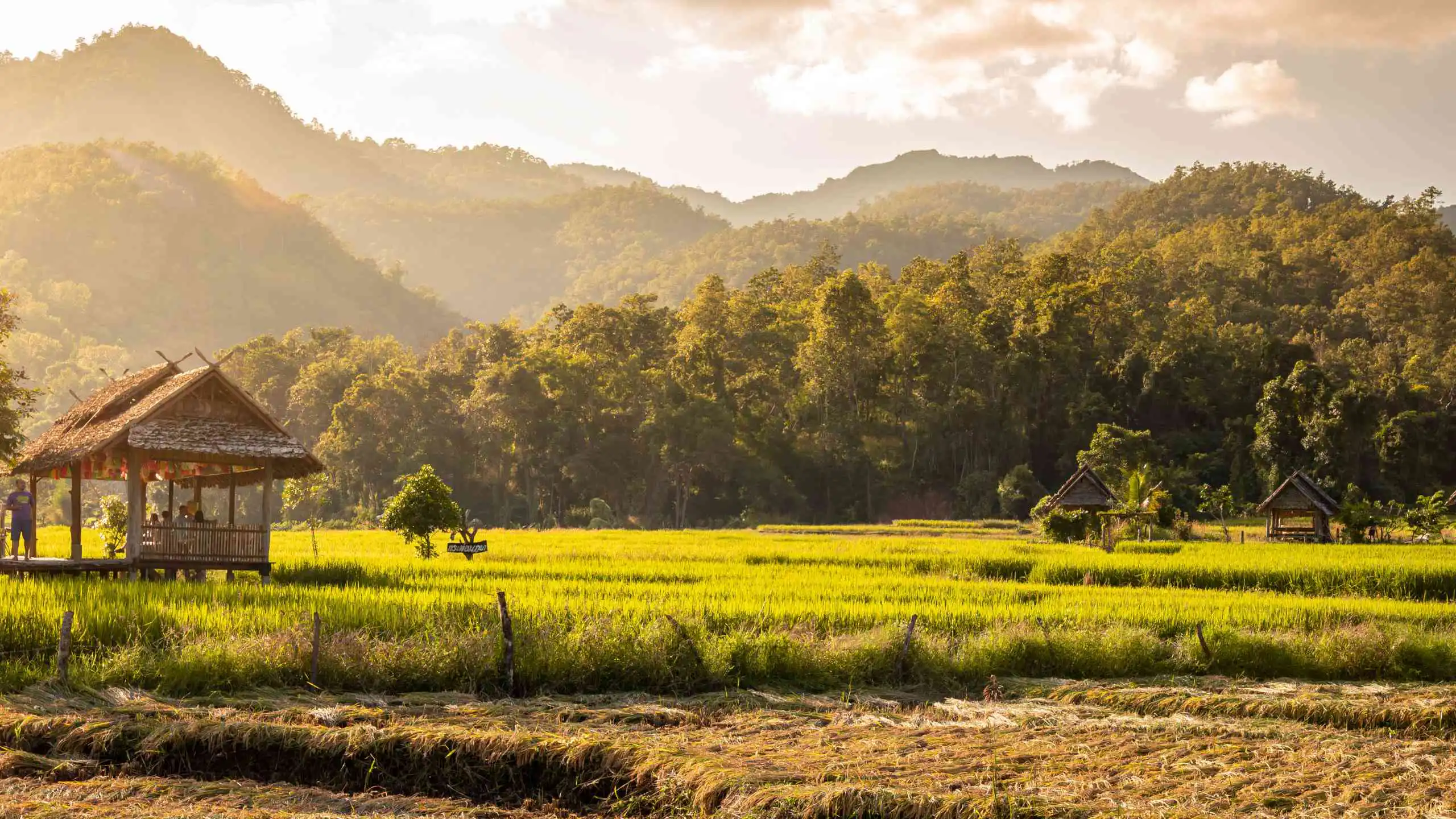
A peaceful bamboo walkway stretching across rice fields toward a temple. Best visited in Rainy Season / Cool Season, or around golden hour for the scenery. Simple, quiet, and very “Pai”.
10
KM
20
Mins
Paved
Twisty
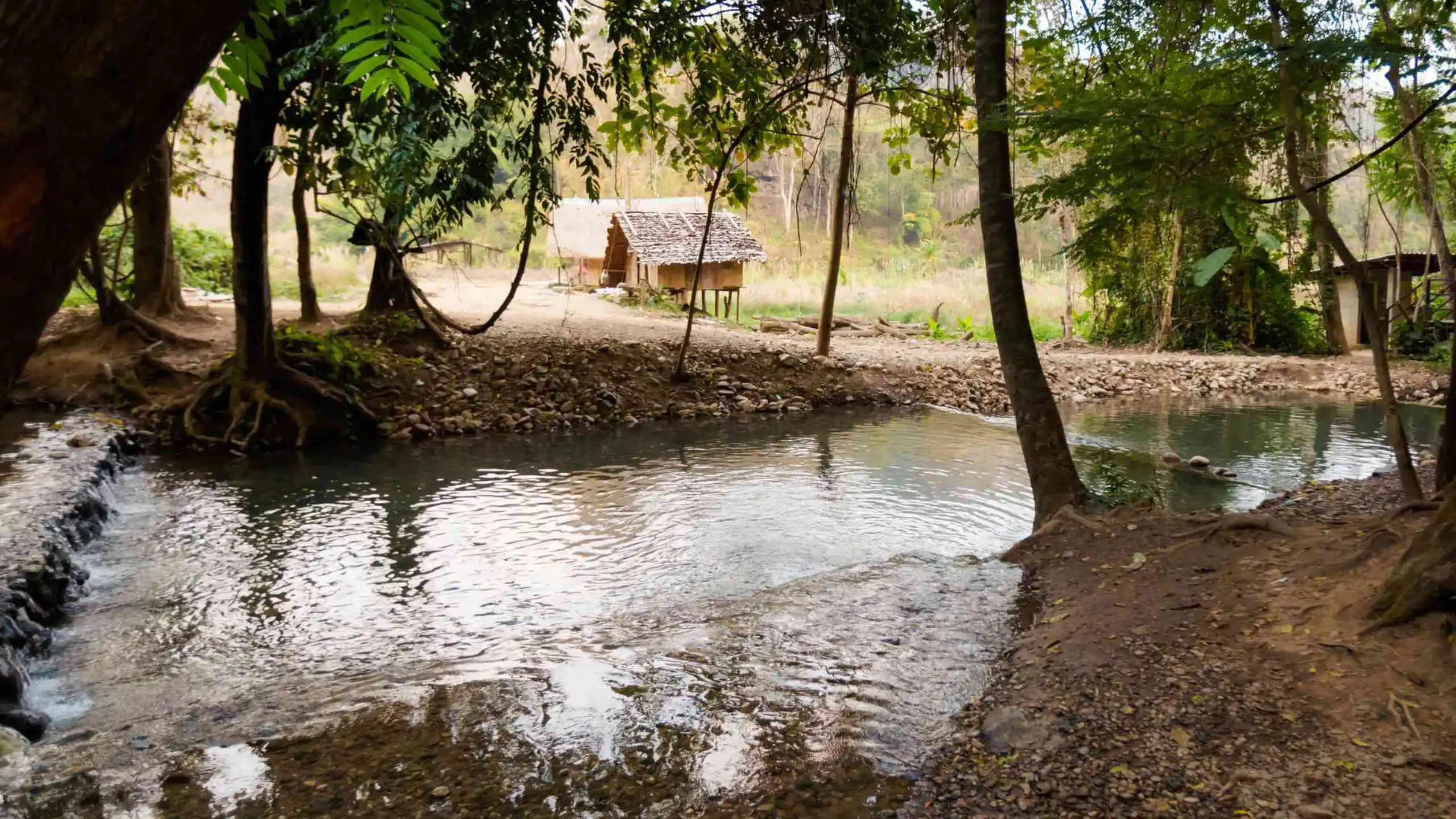
Soak in Pai Hot Spring or Sai Ngam
Pai has a couple of hot spring options. Tha Pai Hot Spring is the more developed and hotter (very hot), while Sai Ngam offers a more natural, cooler, and relaxed setting — often preferred for atmosphere.
8-15 km
KM
15-25 mins
Mins
Paved
Twisty
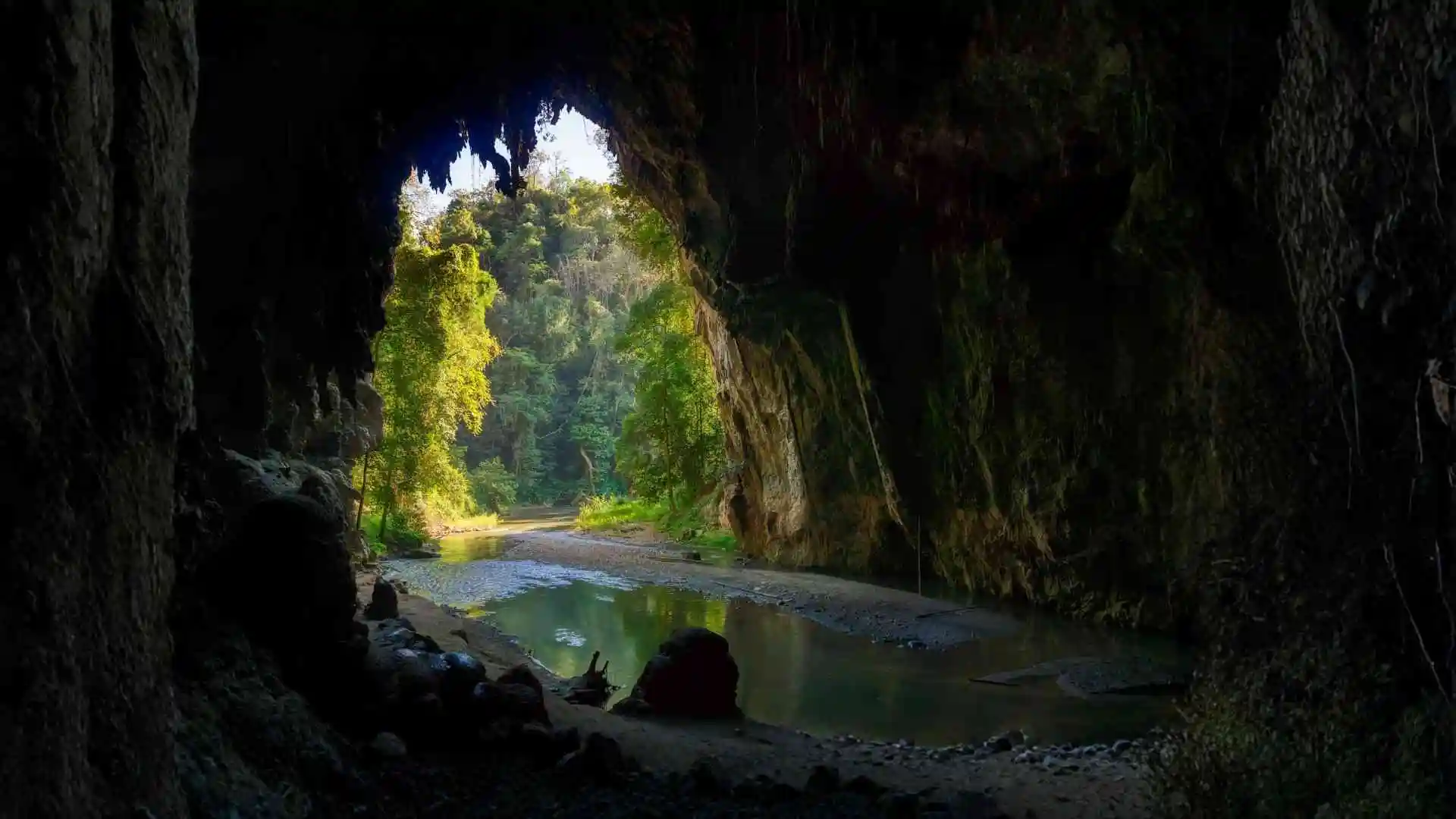
Explore Nam Lod Cave
If you have time for one longer excursion from Pai, Nam Lod is a strong contender. Best visited as a full or half-day trip. Expect a more adventurous experience with guides, lanterns, and bamboo rafting through the cave. Guide required (~150–450 THB). Price varies depending on visiting the first cave or all three caves.
50
KM
1–1.5 hrs
Hours
Paved
Twisty
Hike Mae Yen Waterfall
A rewarding hike for those willing to put in the effort. The trail involves multiple river crossings and takes a few hours return. This is not a quick stop, but a proper half-day adventure.
6
KM
1 +
Hours
Paved + Trail
Curvy
Stroll along Pai Walking Street
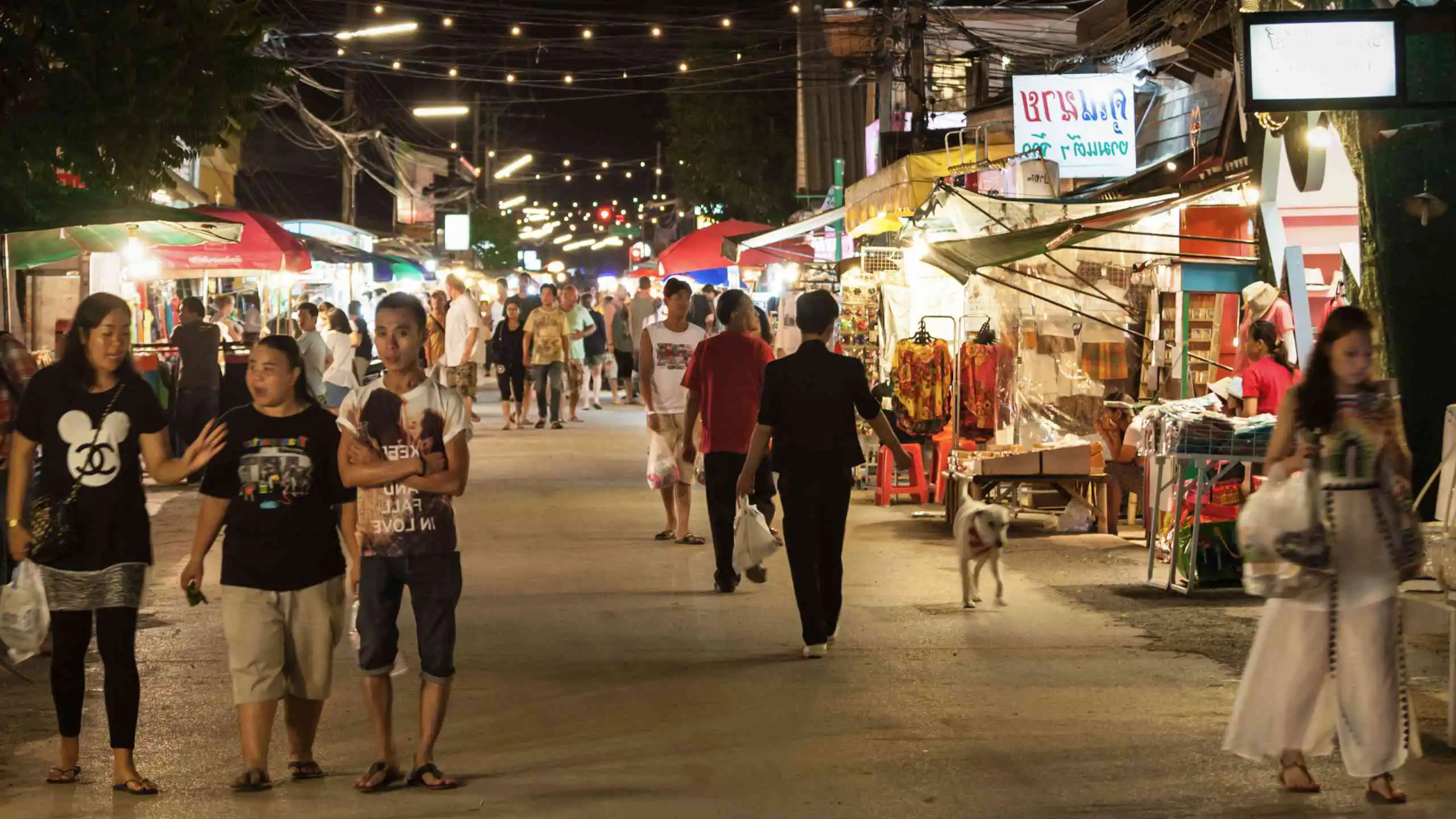
Pai Walking Street is the social heart of Pai town every evening. It as compact, lively, very food-focused, and one of the best things to do in Pai even if you have no shopping intentions at all. This is where to come for dinner, snacks, live music, and that easy-going Pai atmosphere people talk about.
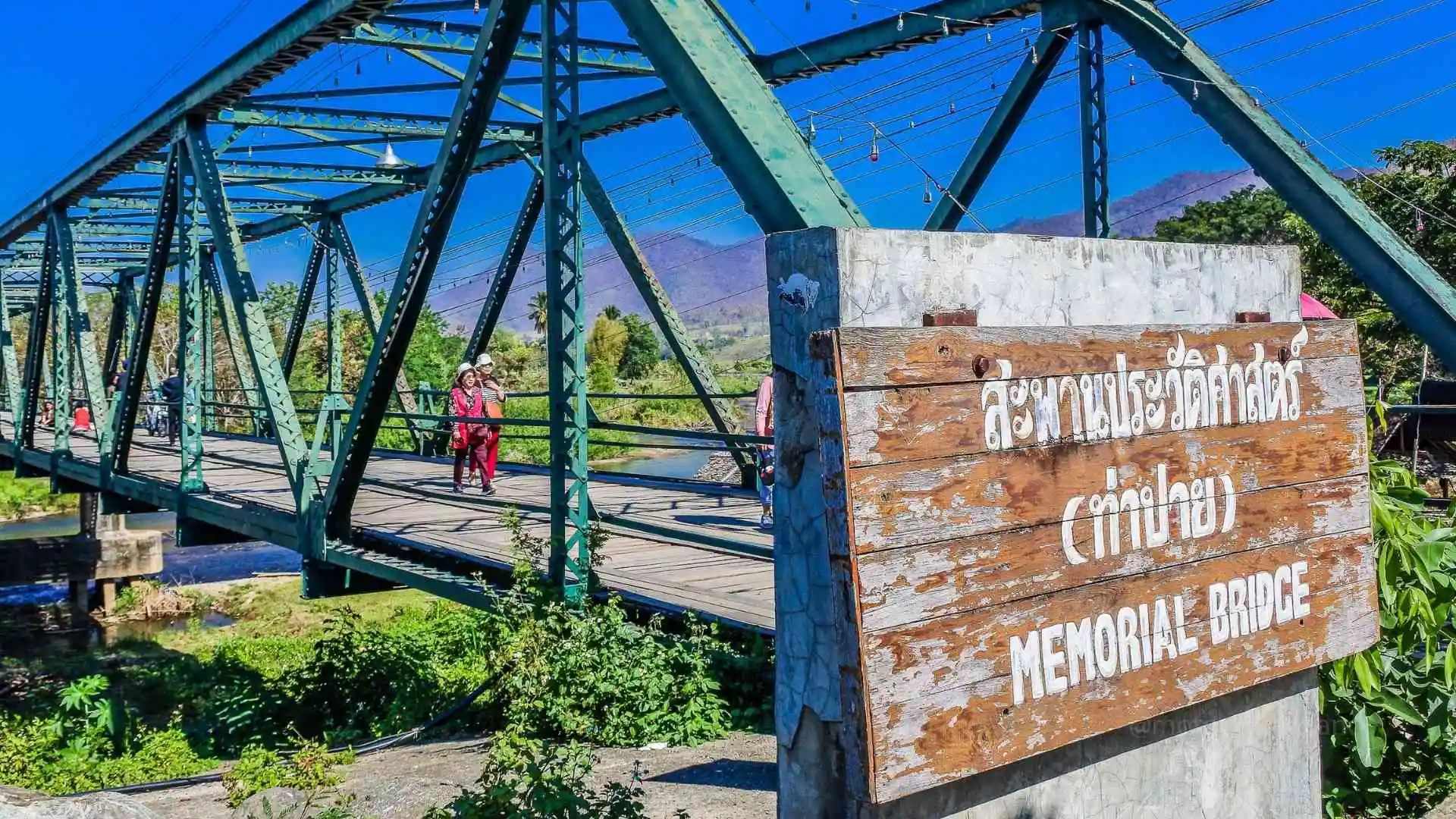
Visit Pai Memorial Bridge
A historic WWII-era bridge just south of Pai. It’s a quick roadside stop with some history and photo potential — easy to include if you’re heading out of town.
9
KM
15
Mins
Paved
Curvy

Check out Land Split
As of 2025, Land Split itself is closed, but the small family-run café opposite is still open and worth a stop for snacks and drinks. A nice quick detour rather than a main destination.
5
KM
10
Mins
Paved
Curvy
Suggested Itinerary
3 Day Pai Travel Guide Itinerary
| Day | Morning | Afternoon | Evening |
|---|---|---|---|
| Day 1 | Arrive from Chiang Mai and settle in | White Buddha or a café stop | Walking Street for dinner and live music |
| Day 2 | Yun Lai Viewpoint and Santichon Village | Bamboo Bridge, hot springs or Memorial Bridge | Sunset at Pai Canyon |
| Day 3 | Late lunch and slow café time | Late lunch and slow café time | Final market stroll or riverside drinks |
Practical Tips
Getting around in Pai
Pai is easiest with a scooter once you are in town – (However, it is not advised to ride one unless experienced and holding the correct license class. This Riding in Thailand guide, goes into more details). Many of the best sights are spread around the valley, and accommodation outside the centre becomes far more convenient with your own wheels. If you would rather not ride, then stay in the central hub zone and use tours or arranged transport for the longer outings.
Book transport and accommodation ahead in the cool season, especially around Christmas, New Year and long weekends. Bring a warm layer for evenings from November to February, and if travelling in smoky months, take the air-quality issue seriously rather than assuming it is exaggerated online chatter.
Food & Drinks
- Food Options: There are plenty of food options in Pai, from restaurants to great street food most evenings on Walk Street .
- Drinks: Soft drinks, coffee, smoothies, and alcoholic beverages are readily available.
- Dietary Needs: Vegetarian or vegan options are available.
In Closing
Chilled, Bohemian, Northern Oasis
Pai is not Thailand’s wildest destination, nor its most polished. That is exactly why people love it. It is a place for sunrise tea above the valley, lazy afternoons with nowhere urgent to be, scooter rides through rice fields, and evenings where dinner becomes a long drift through the market.
Posts & Detailed GPS Guides which include Pai
The Pai Loop
Epic Mae Hong Son Loop – An Epic Twist!
The Mae Hong Son Loop
If you have a question or found this Pai travel guide useful, drop a comment. Have a great trip!
Great post and perfect guide for me.
I used it on a trip to Pai (scooter).
Helpful to know about the fuel station.
Thanks.
Have a great time Davide. Glad it helped!
Got your link from the backpacker group. Turned out to be really useful. Filled up at the garage before heading onto the Pai route. That was a really great tip. Thanks.
Hi Graham, yes I found that garage really useful, particularly when i used to take a scooter on the Pai road. Automatics in particular chug a lot of fuel. If i did not fill up at that station i would be running empty before i hit Pai. By filling there i would make it the whole trip without the need to refuel. I would be dead on empty by the time i got to the Pai petrol station though!
Thanks so much for this guide!
Very welcome Sarah
Thanks for the excellent information, it really is useful.