
Understanding Thailand’s Burning Season
Understanding Thailand’s Burning Season: Causes, Health Risks & How to Stay Safe
Every year, as winter gives way to summer, a thick blanket of smoke settles across Northern Thailand. Mountain views disappear behind a grey haze, air quality plummets, and Chiang Mai often finds itself making international headlines for all the wrong reasons.
If you’re planning to visit Northern Thailand between February and April, or you’re already living here, it’s natural to have questions. What causes Burning Season? Is it dangerous? Should you cancel your trip? And why hasn’t the problem been solved?
The reality is that Burning Season is a complicated issue. It’s not caused by one single factor or one group of people. Instead, it’s the result of agriculture, geography, weather patterns, economics, and cross-border influences all combining at the same time.
This guide explains what’s happening, why it happens every year, and what you can do to protect yourself if you’re visiting or living in Northern Thailand.
Contents
Is PM2.5 dangerous?
Yes. PM2.5 particles are small enough to enter deep into the lungs and bloodstream. Short-term exposure may cause irritation and breathing difficulties, while long-term exposure has been linked to more serious health conditions.
Should I cancel my holiday?
Not necessarily. If you’re visiting primarily for mountain scenery, hiking or motorcycle touring, consider travelling between November and January for the clearest conditions. If your trip is already booked during Burning Season, monitor daily air quality, wear an appropriate mask when necessary and remain flexible with outdoor activities.
Can I still ride my motorcycle?
Yes, but it’s wise to adjust your plans according to current conditions. Check the AQI before setting off, wear a properly fitted particulate mask if appropriate, stay hydrated and be prepared to shorten or postpone rides during periods of particularly poor air quality.
Does it rain during Burning Season?
Rainfall is usually limited during the peak burning months. Once the seasonal rains begin, air quality often improves dramatically within a few days.
Is Bangkok affected?
Bangkok experiences its own periods of air pollution, particularly during the cooler months, but these are generally caused by different factors such as vehicle emissions, industry and weather conditions rather than widespread agricultural burning.
What is Burning Season
Understanding Burning Season
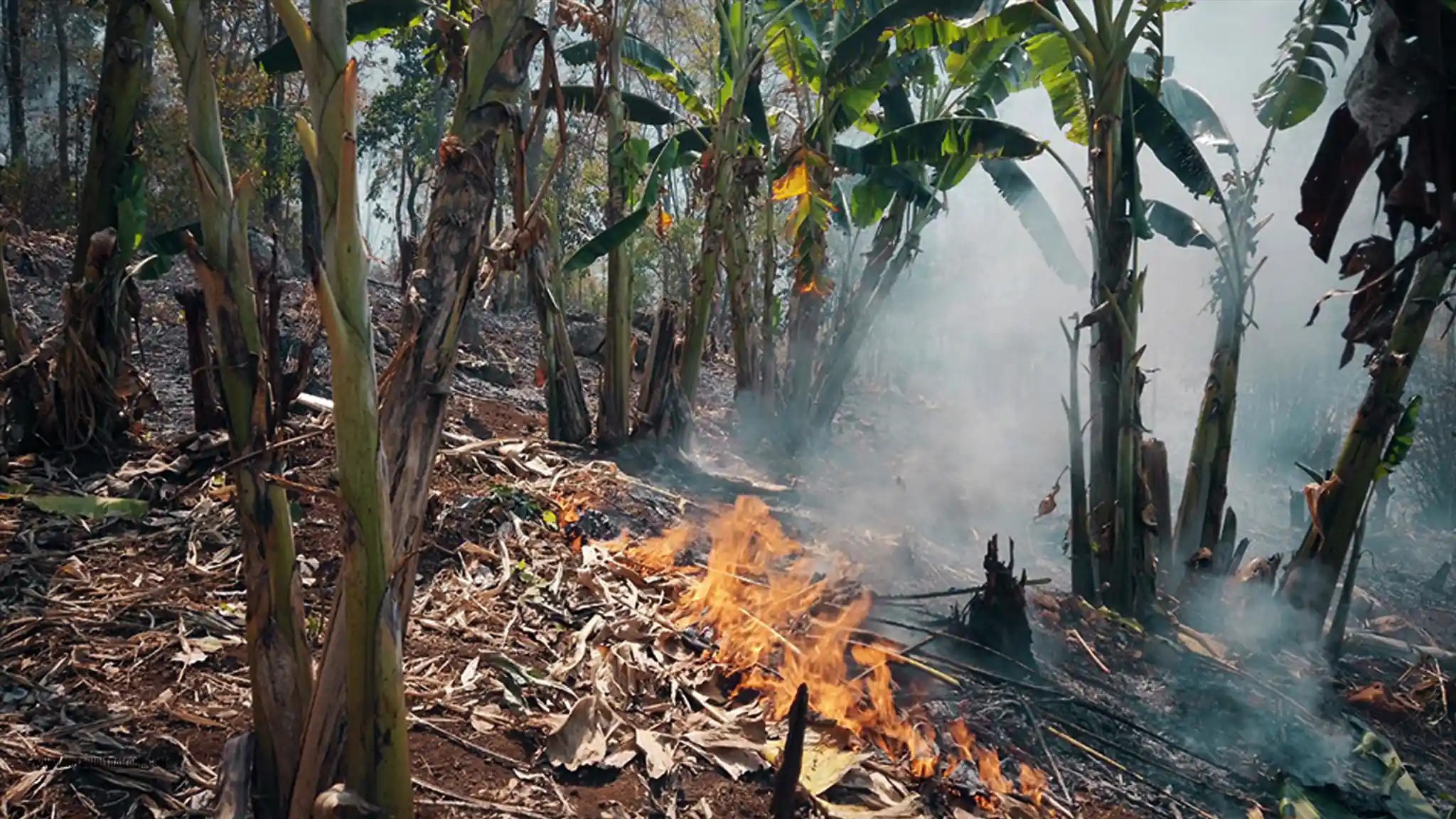
Burning Season is the name commonly given to the annual period of widespread smoke pollution that affects much of Northern Thailand and neighbouring parts of Southeast Asia.
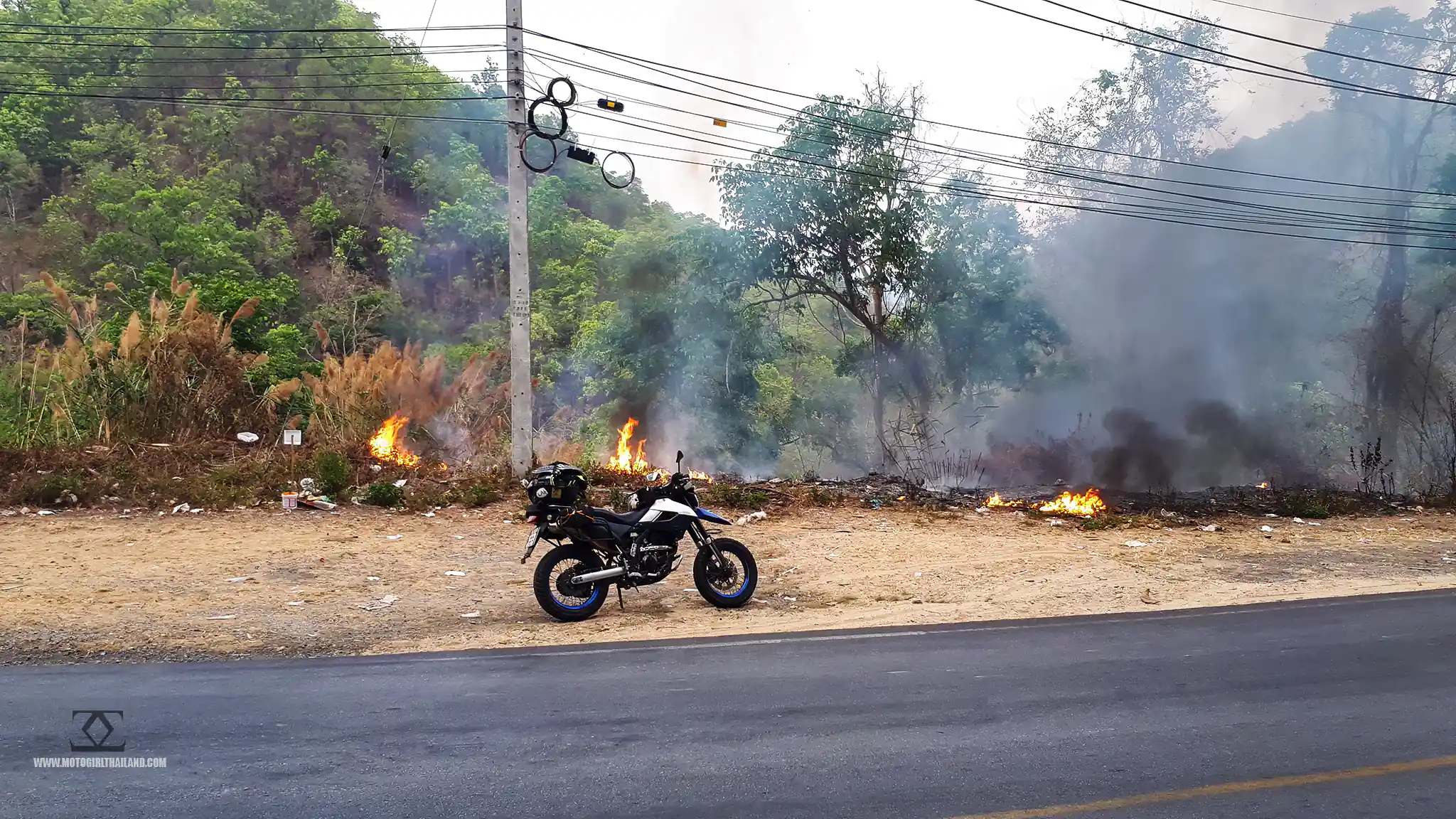
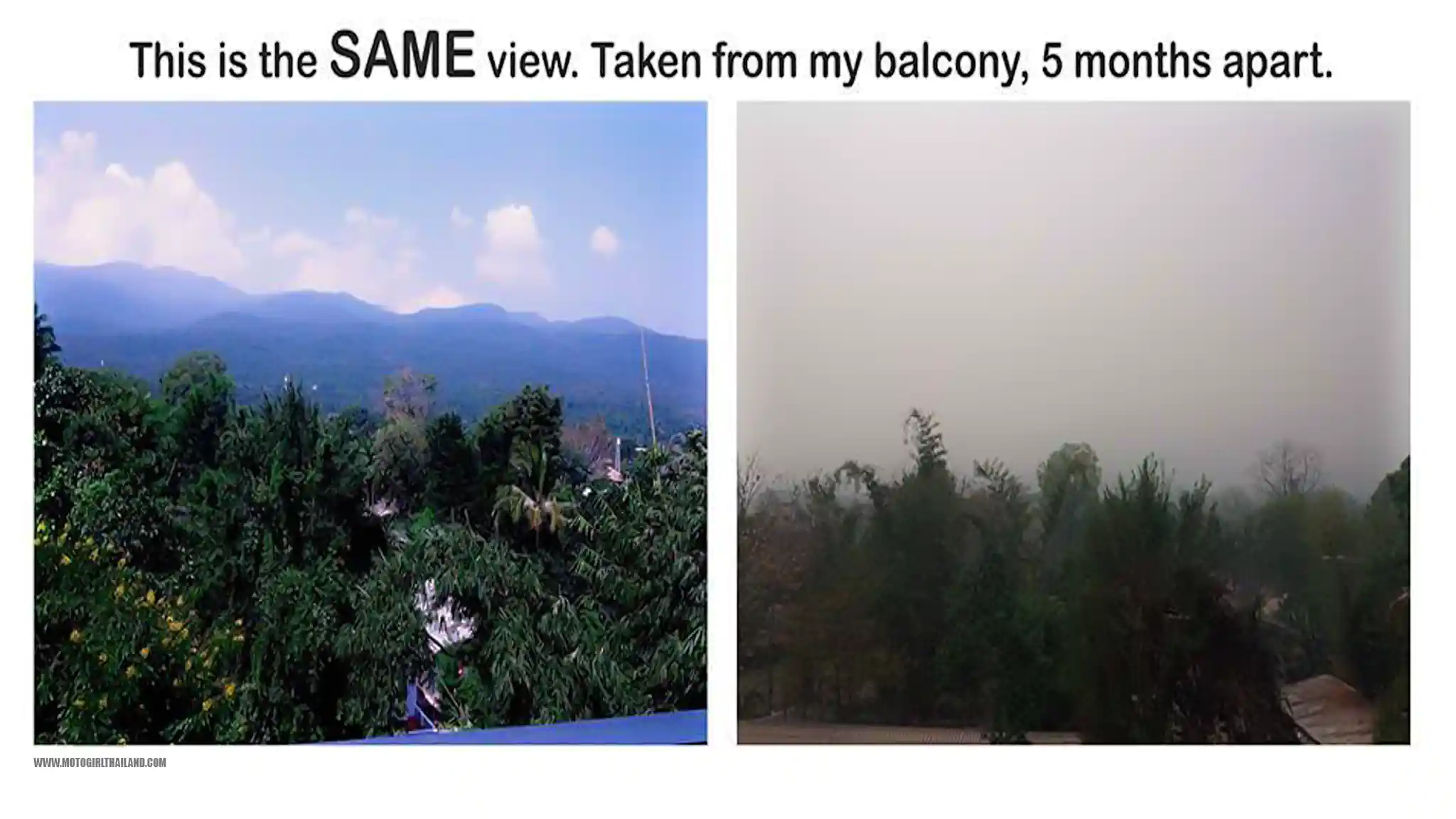
It typically occurs during the dry season, when vegetation has dried out and conditions are ideal for burning. During these months, smoke from thousands of individual fires combines with weather conditions that trap pollution close to the ground.
Unlike a single wildfire, Burning Season is made up of many different sources of smoke occurring across a huge geographical area.
These include:
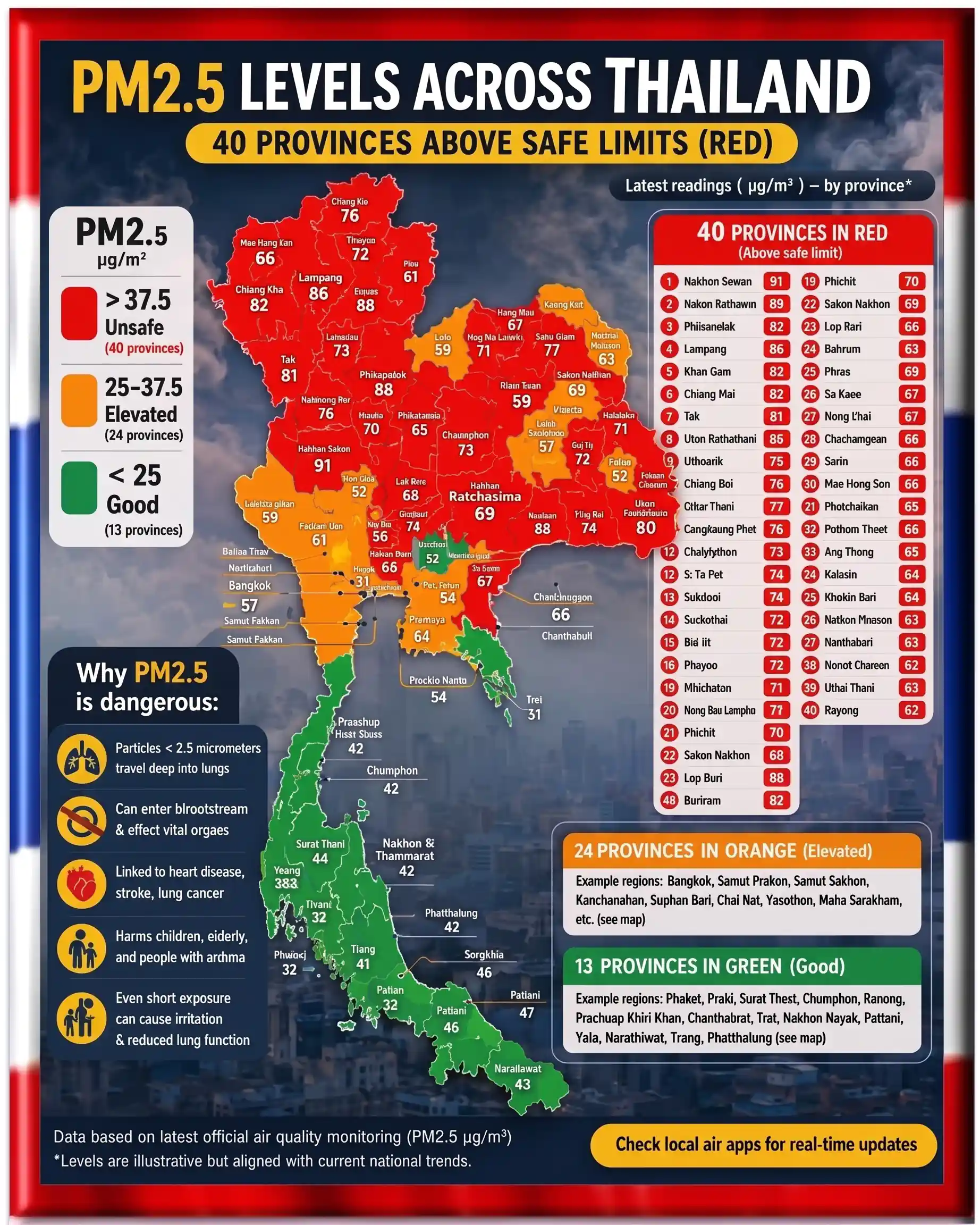
The result is elevated levels of fine particulate pollution, known as PM2.5, which can remain suspended in the air for days or even weeks.
For residents, it’s an expected part of the calendar. For visitors, however, it often comes as a surprise.
When is Burning Season
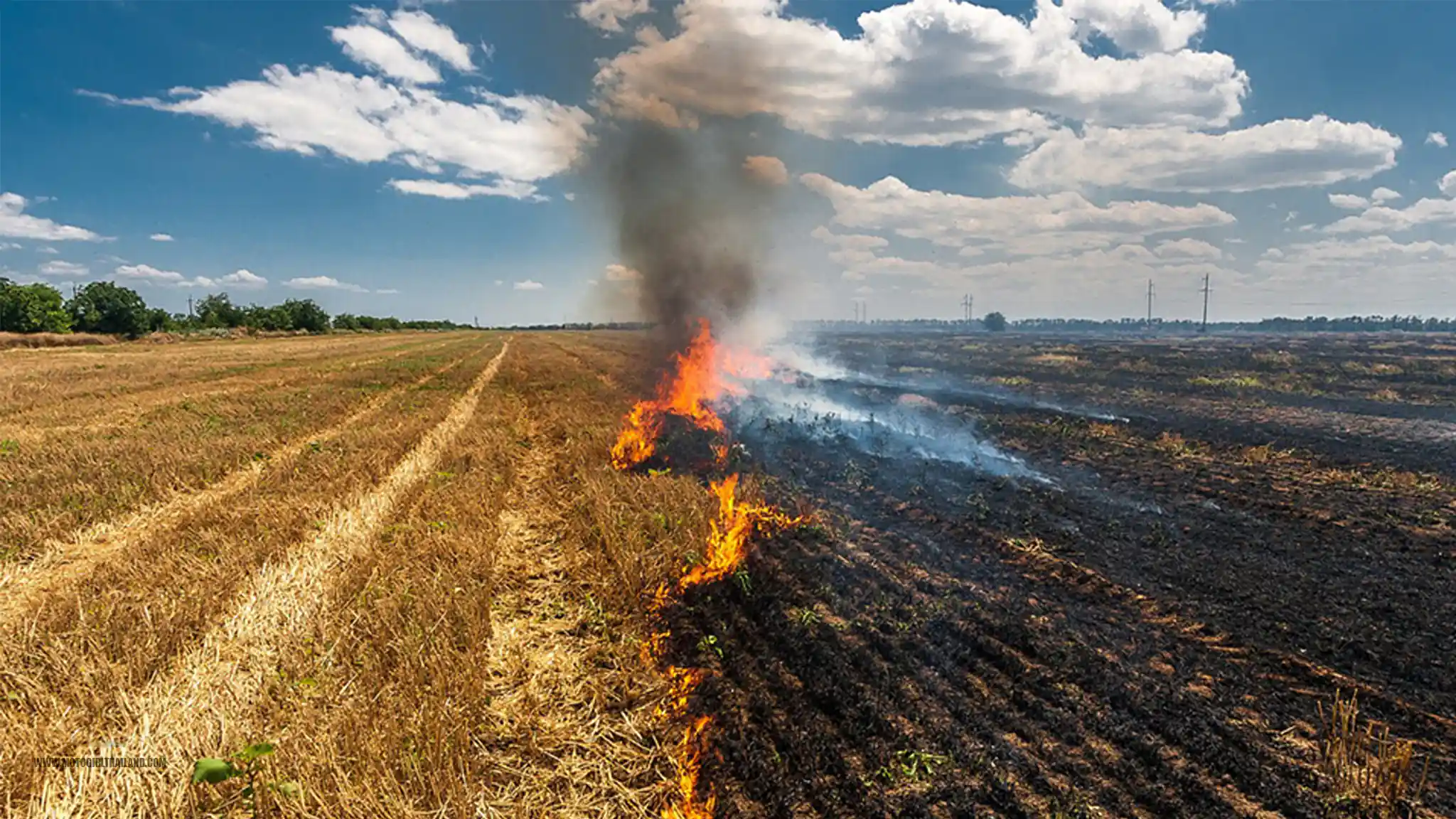
Burning Season Dates
Although conditions vary slightly each year, Burning Season generally follows a predictable pattern.
Rain is nature’s best air purifier. Once the first significant rains arrive, they wash much of the pollution from the atmosphere, often transforming visibility almost overnight.
Why Does it Happen?
Why Does Burning Season Happen?
There’s no single cause. Instead, Burning Season results from several different activities happening at roughly the same time.
Agricultural Burning (Slash-and-burn farming)
The largest contributor is agricultural burning. After harvesting crops such as rice, corn and sugar cane, farmers are left with large amounts of leftover vegetation. Rather than manually removing it, a process that requires time, labour and money, many fields are burned. This is known as slash-and-burn farming
Burning quickly clears the land while returning some nutrients to the soil through ash, allowing fields to be prepared for the next planting season. Historically, this system was sustainable when populations were smaller and land was left to recover over long periods. Modern pressures, however, including increased demand for agricultural land and shorter fallow periods, have made the practice more environmentally challenging.
Although alternatives exist, they are often considerably more expensive, particularly for small farmers working on steep mountain terrain.
Forest Fires
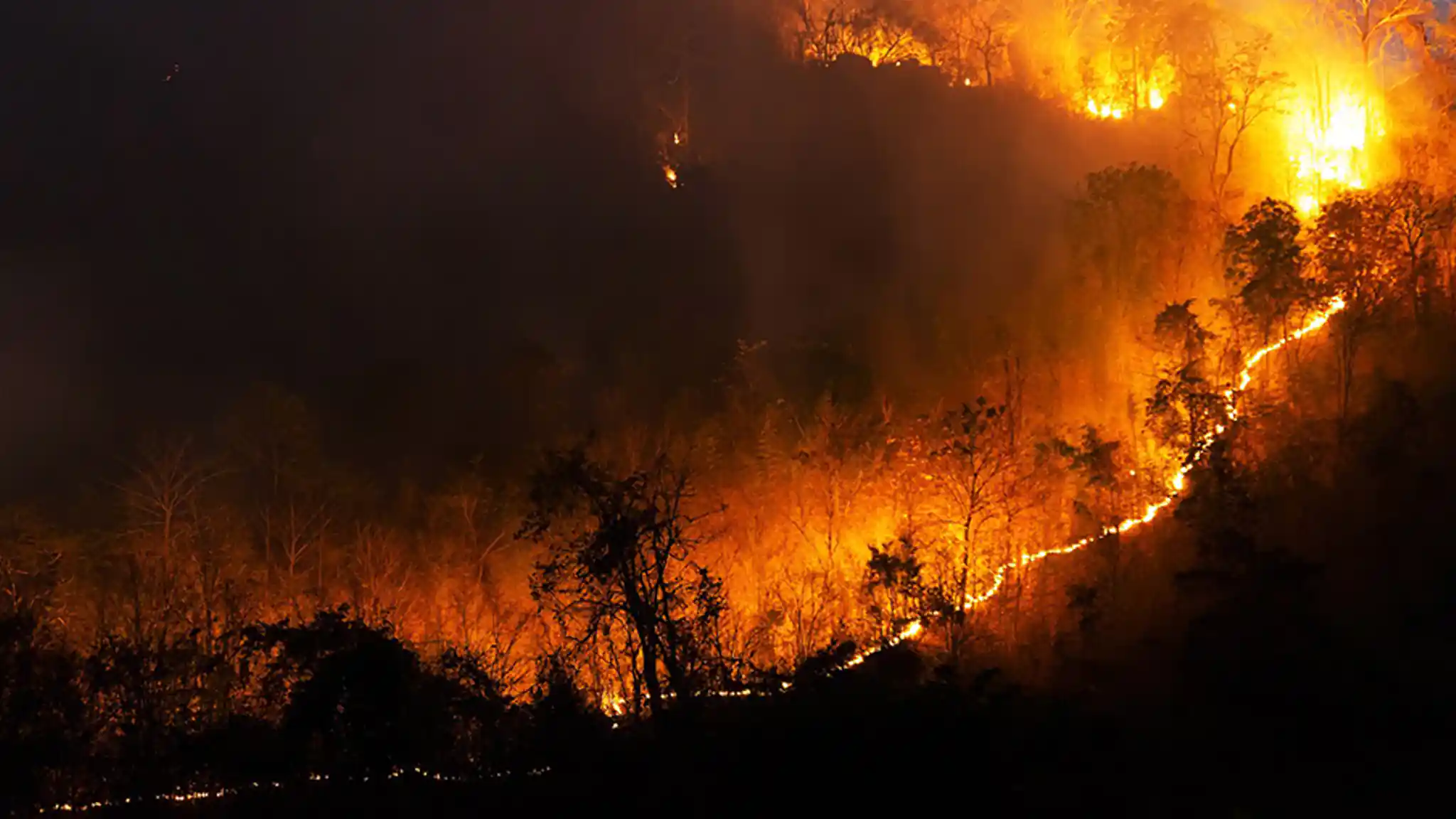
Not every fire begins intentionally. Small agricultural burns can sometimes spread into surrounding forests, especially during particularly dry years. Once established, these fires can become difficult to control in Northern Thailand’s steep mountainous terrain.
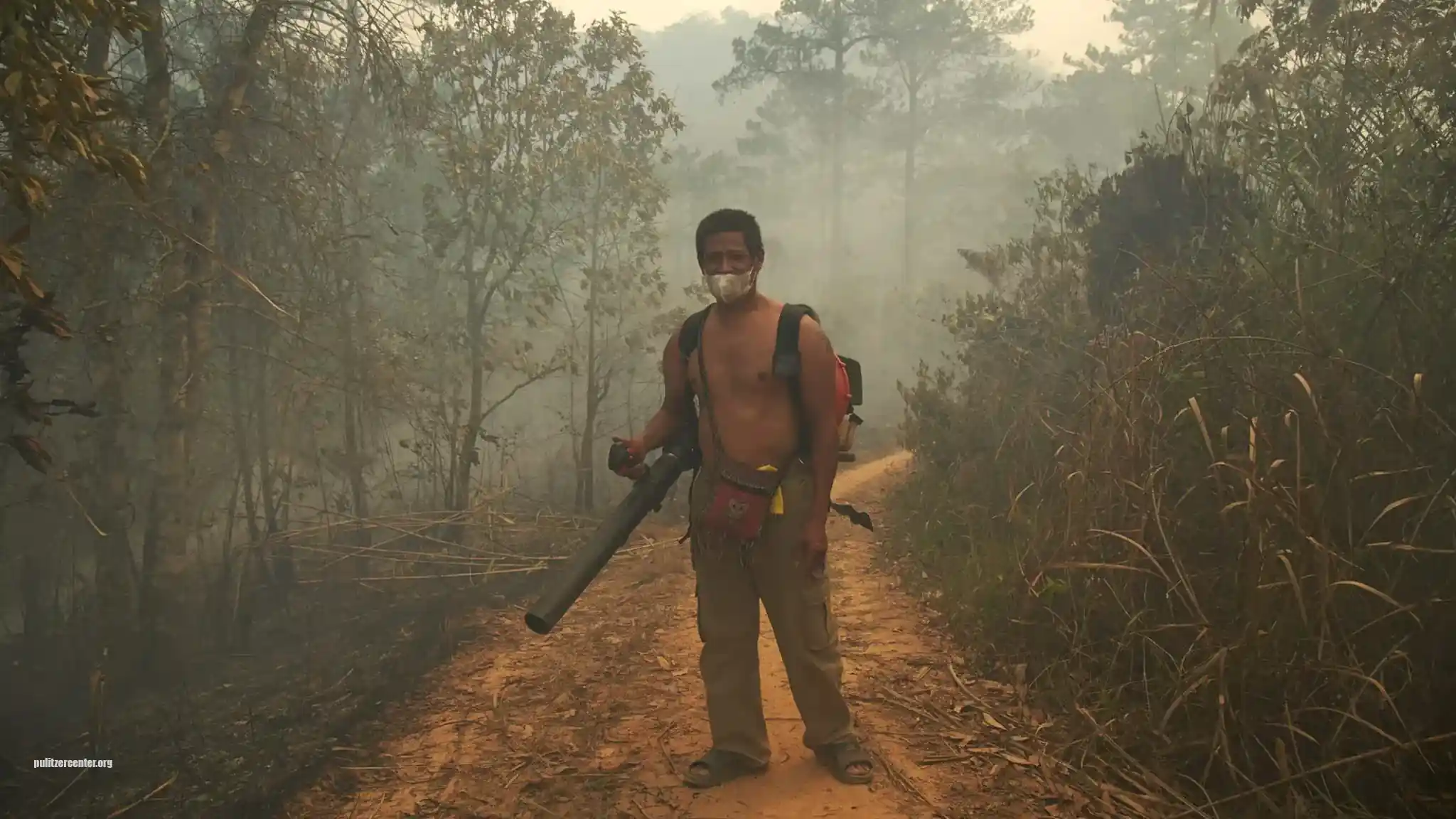
Firefighters often spend days hiking into remote areas carrying equipment by hand to contain fires before they spread further. The work is physically demanding and frequently carried out under extremely smoky conditions.
Illegal land clearing
Some fires are started illegally. These may be linked to:
Hed Thob (Puffball Mushrooms)
One lesser-known contributor is the seasonal collection of Hed Thob (puffball mushrooms). These highly prized mushrooms often appear in forests after fires.
Because they command good prices during the harvesting season, there have been reports of illegal burning intended to encourage mushroom growth.
For many rural families, Hed Thob provides valuable seasonal income, making this another example of how economic pressures intersect with environmental issues.
Why Is Chiang Mai So Badly Affected?
Reasons Why Chiang Mai is Affected
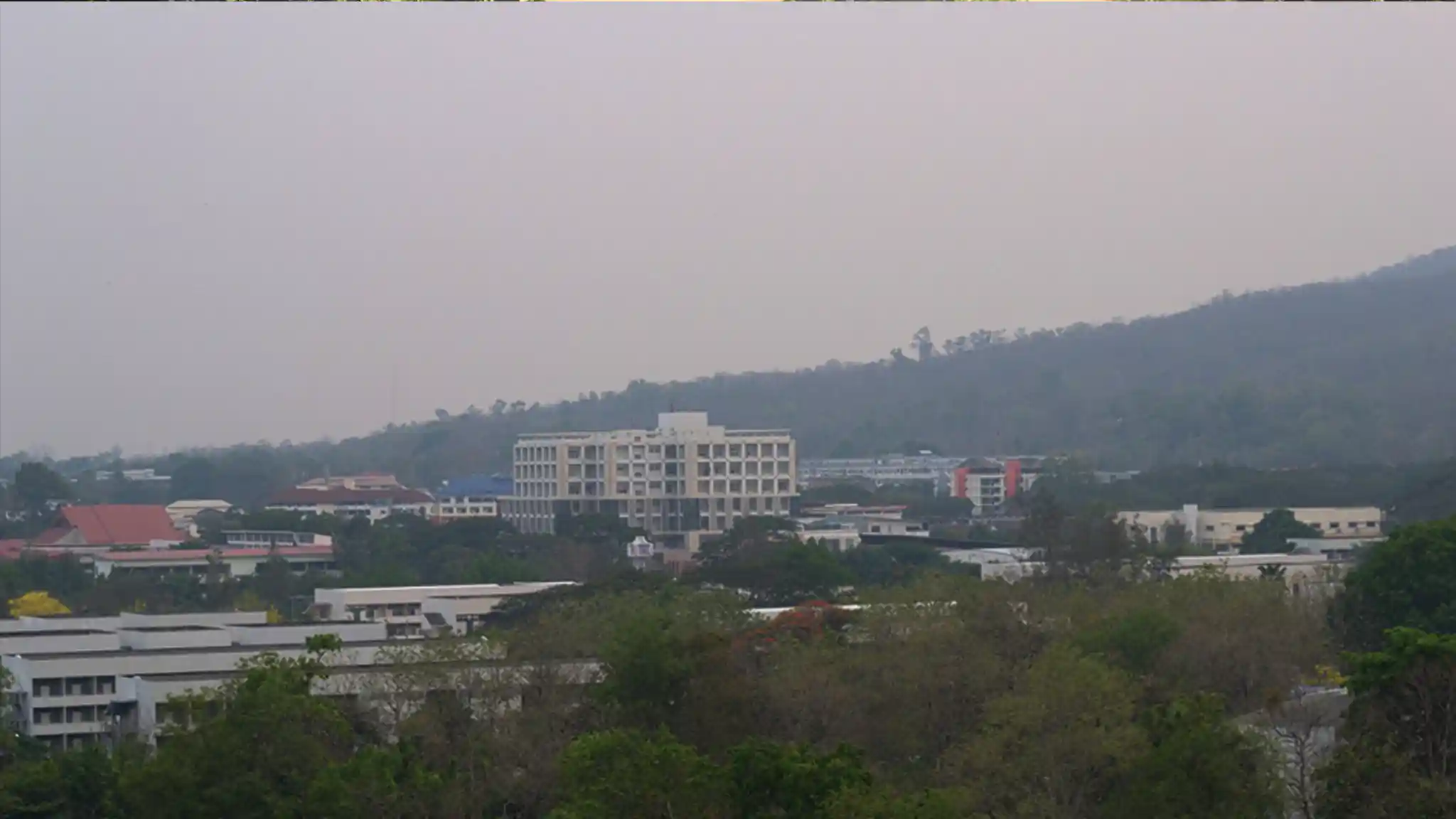
One question visitors often ask is: “If there aren’t fires everywhere in Chiang Mai itself, why is the smoke so terrible?”
The answer lies in geography.
Chiang Mai sits in a broad valley surrounded by mountain ranges. During the cooler months, temperature inversions can develop. Normally, warm air rises and carries pollution away. During an inversion, a layer of warmer air sits above cooler air near the ground, effectively trapping smoke in the valley. At the same time, smoke doesn’t respect national borders.
Air pollution affecting Northern Thailand often originates from multiple sources across Thailand, Myanmar and Laos before being carried by seasonal winds into the region. This is one reason why even substantial reductions in local fires don’t always result in immediate improvements in air quality. Air quality during Burning Season is influenced by both local emissions and regional weather patterns.
This combination of local burning, cross-border smoke and valley geography is what makes Chiang Mai particularly vulnerable during Burning Season.
PM2.5 Explained
PM2.5 – Why It Matters
During Burning Season, you’ll often hear people talking about PM2.5. But what exactly does it mean?
PM2.5 refers to airborne particles measuring 2.5 micrometres or smaller, (around 30 times smaller than the width of a human hair). Because they’re so tiny, these particles can bypass your body’s natural defences, travel deep into your lungs, and even enter your bloodstream.
The smoke produced by agricultural burning and wildfires contains a mixture of these microscopic particles along with gases and other pollutants. While the haze may look unpleasant, it’s often the invisible particles that pose the greatest health risk.
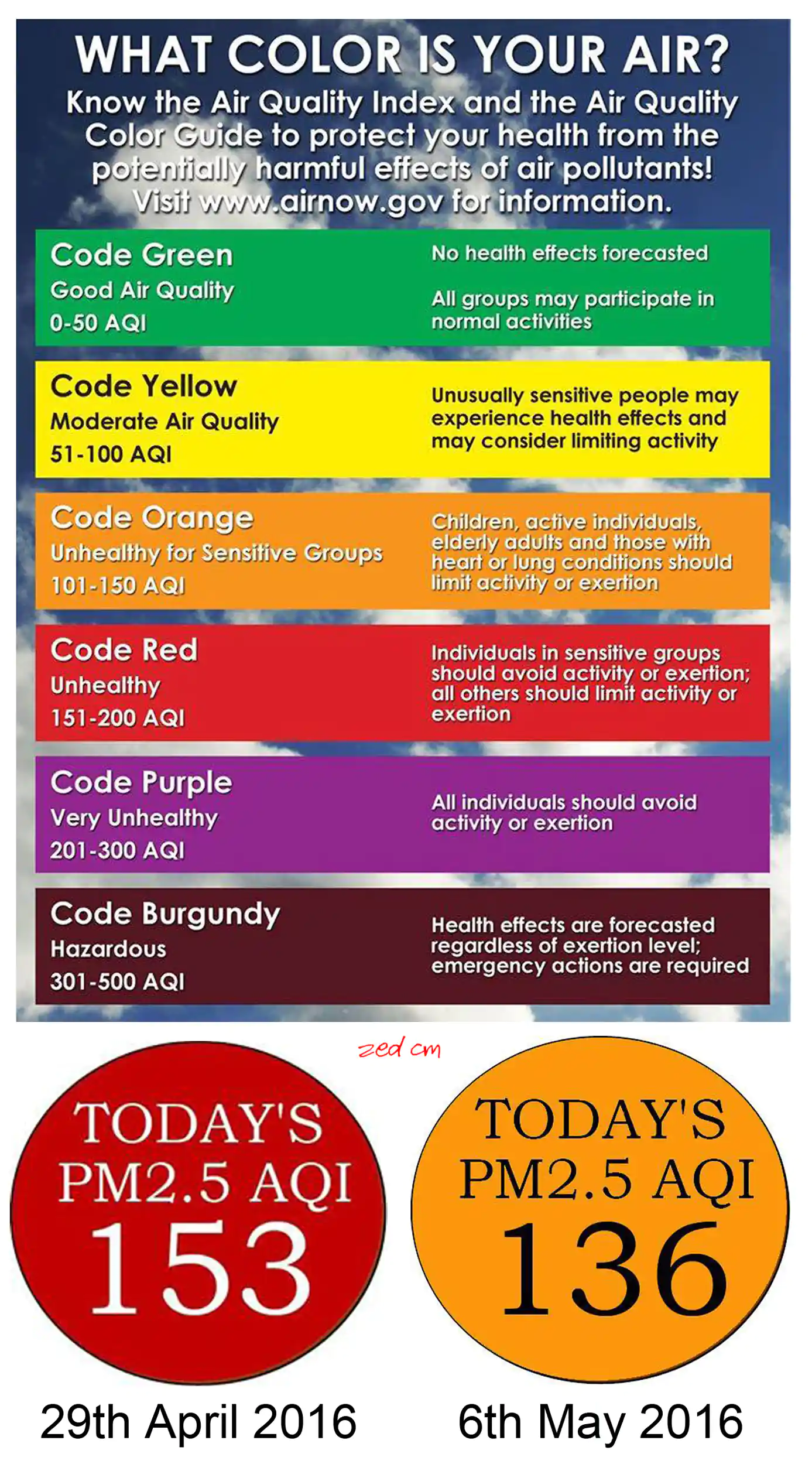
Air quality is commonly reported using the Air Quality Index (AQI), which converts pollution measurements into a simple scale. As PM2.5 levels rise, the AQI increases, indicating a greater risk to health.
While a brief walk outside on a smoky day is unlikely to cause lasting harm for most healthy people, spending extended periods outdoors or repeated exposure over several weeks can increase the risk of respiratory and cardiovascular problems.
Health Risks
Health Risks Explained
The effects of smoke vary considerably from person to person. Some people experience symptoms after only a short period outdoors, while others may not notice any immediate effects despite breathing polluted air for days.
Common short-term symptoms include:
People with asthma or other respiratory conditions may find their symptoms worsen significantly during periods of heavy smoke.
Long-term exposure to elevated PM2.5 has also been linked to increased risks of chronic respiratory disease, cardiovascular disease, stroke and other serious health conditions. While Burning Season lasts only a few months each year, residents who experience repeated exposure year after year may accumulate greater health risks over time.
Who Is Most at Risk?
Although everyone is affected by poor air quality to some degree, certain groups are more vulnerable.
These include:
If you fall into one of these categories, it’s worth taking extra precautions or, where possible, planning your visit outside the peak Burning Season months.
Protecting Yourself
How To Protect Yourself
While no personal measure can completely eliminate exposure, there are several practical ways to reduce the amount of smoke you breathe.
Wear a Proper N95 Mask
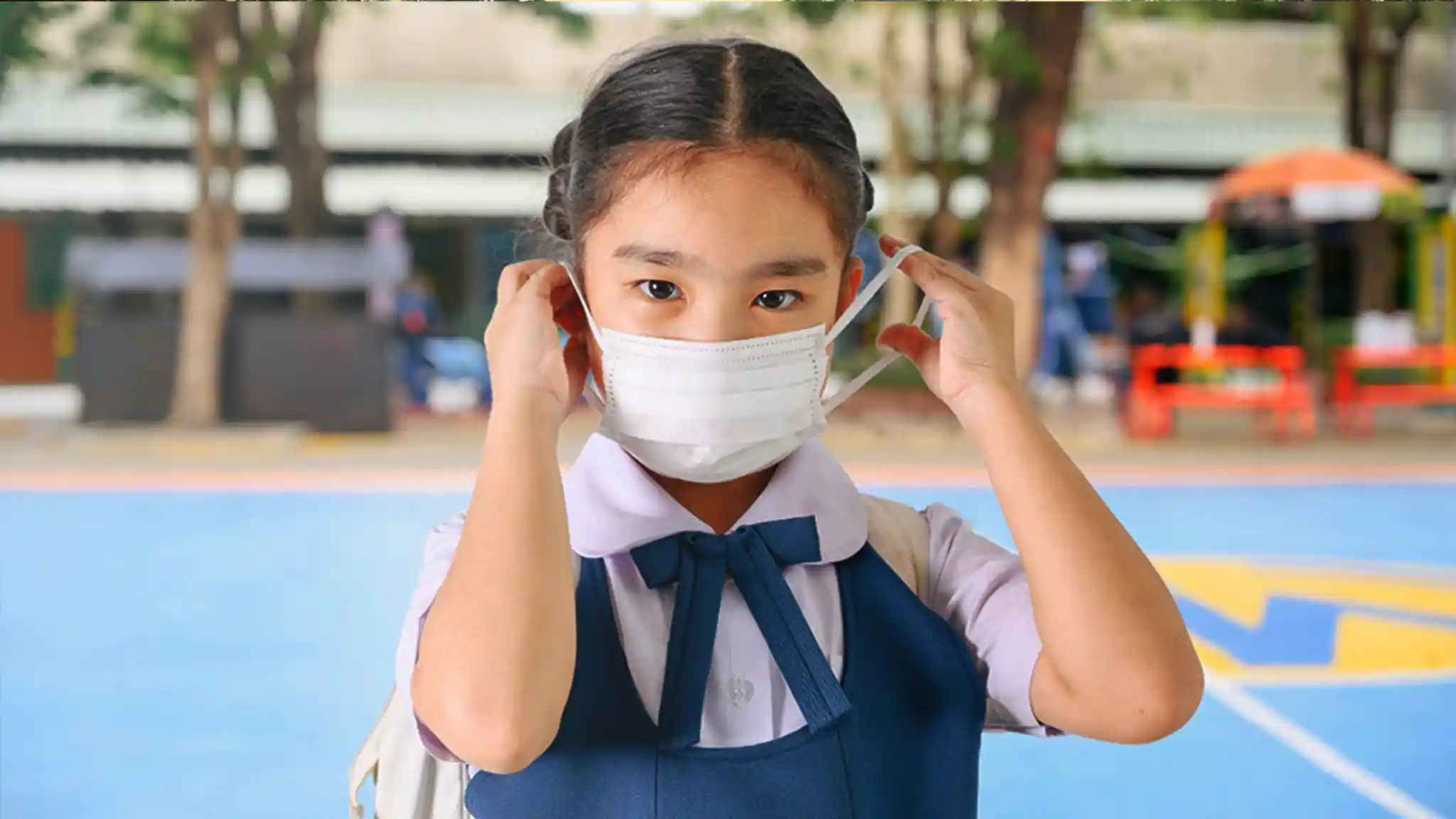
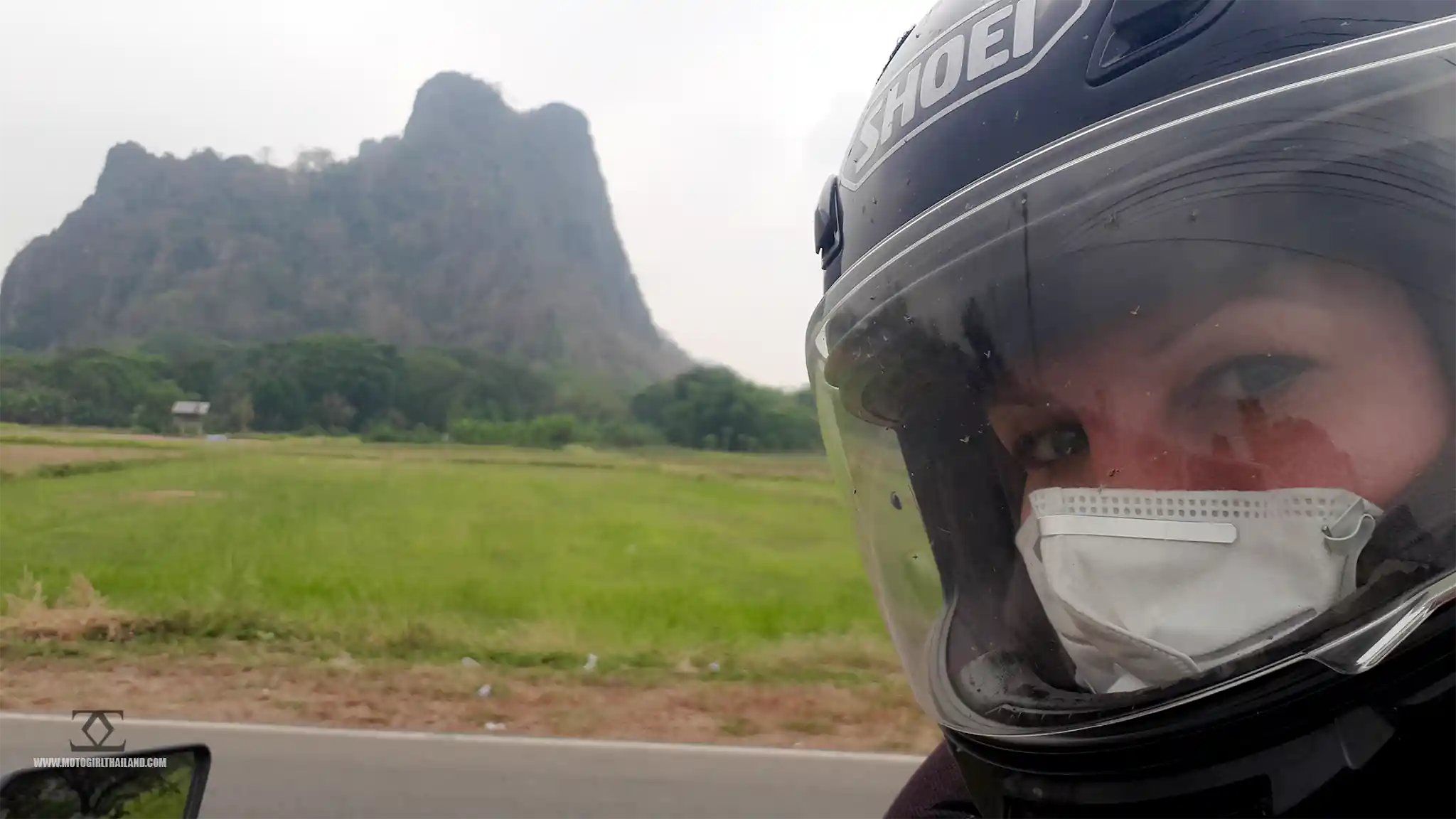
A well-fitting N95, KN95, or equivalent particulate respirator offers far greater protection than a standard surgical or cloth mask.
The key is achieving a good seal around your nose and cheeks. Even a high-quality mask loses much of its effectiveness if air can easily leak around the edges.
If you’re spending extended periods outdoors during severe smoke, a properly fitted respirator is one of the most effective forms of protection.
Keep Indoor Air Clean
Many homes and hotels aren’t airtight, meaning smoke can gradually seep indoors.
Running a HEPA air purifier can significantly reduce indoor particle levels, particularly in bedrooms where you spend many hours sleeping.
Keeping windows and doors closed during periods of poor air quality also helps minimise indoor pollution.
Monitor Air Quality Daily
Smoke conditions can change dramatically from one day to the next.
Before heading out for a ride or planning a hike, it’s worth checking the current air quality.
Several reliable services provide real-time readings, including:
People with asthma or other respiratory conditions may find their symptoms worsen significantly during periods of heavy smoke.
Long-term exposure to elevated PM2.5 has also been linked to increased risks of chronic respiratory disease, cardiovascular disease, stroke and other serious health conditions. While Burning Season lasts only a few months each year, residents who experience repeated exposure year after year may accumulate greater health risks over time.
Should You Visit?
Should You Still Visit Northern Thailand During Burning Season?
This is perhaps the most common question travellers ask.
The answer depends on your priorities.
If your dream is to experience Northern Thailand’s spectacular mountain scenery, clear skies and panoramic viewpoints, then November through January is generally the best time to visit.
If you’re visiting primarily for food, culture, temples and city life, it’s still possible to enjoy Chiang Mai during Burning Season, although you should be prepared for hazy conditions and occasional poor air quality.
Travellers with asthma, chronic lung disease or other respiratory conditions may wish to avoid visiting during the peak months of March and early April, when smoke levels are often at their highest.
For Motorcycle Riders:
Burning Season doesn’t necessarily mean putting the bike away entirely. Some days are far better than others, and conditions can vary significantly across the region. By checking the forecast and remaining flexible with your plans, it’s still possible to enjoy some memorable rides while minimising exposure to the worst of the smoke.
What Progress Is Being Made?
What Is Being Done to Reduce Burning Season?
Every year, government agencies, local communities, volunteers and environmental organisations work together to reduce the impact of Burning Season. While progress has been made in some areas, the scale and complexity of the problem mean there is no single solution.
Seasonal Burn Bans
One of the most visible measures is the introduction of seasonal burn bans.
Each year, provincial authorities across Northern Thailand announce periods during which outdoor burning is prohibited. The exact dates vary between provinces and may change depending on weather conditions, drought levels and local circumstances.
These restrictions apply to activities such as:
Although burn bans help reduce local fires, enforcing them across vast mountainous regions remains a significant challenge.
Satellite Monitoring
Modern technology now plays a major role in detecting fires.
Satellite imagery allows authorities to identify hotspots, areas where fires are burning, often within hours of ignition. This information helps firefighters prioritise areas where fires are spreading quickly or threatening nearby communities.
Hotspot maps are also shared with the public, allowing researchers and environmental groups to monitor trends throughout the Burning Season.
Firefighting Efforts
Many fires occur in remote forests where fire engines simply can’t reach.
Using hand tools, fire beaters and controlled firebreaks, they work to stop fires spreading through dry forest.
The work is physically demanding, often taking place on steep hillsides in high temperatures while crews are exposed to heavy smoke for long periods.
Community Fire Prevention
Many villages now organise local fire patrols during the dry season.
Community members monitor nearby forests, report new fires quickly and help create firebreaks before the peak burning months begin.
These local efforts have become an important part of preventing small fires from developing into larger wildfires.
Regional Cooperation
Smoke doesn’t stop at national borders. Because Northern Thailand shares air pollution with neighbouring countries, long-term solutions require regional cooperation as well as local action.
Organisations across Southeast Asia continue working to improve information sharing, wildfire management and sustainable land-use practices, although progress varies from year to year.
Why Is It Difficult To Solve?
Why Burning Season is Difficult to Solve
Burning Season causes so many problems, so it’s reasonable to ask why it continues year after year. The answer is that several different issues overlap.
Agriculture
For many farmers, burning remains the fastest and least expensive way to prepare fields for the next crop.
Alternative methods often require machinery, labour or equipment that may not be affordable, particularly for small farms.
Economics
Northern Thailand’s agricultural economy supports thousands of families.
Corn, rice and sugar cane all contribute to local incomes, while seasonal forest products such as Hed Thob mushrooms provide an important source of income for some rural communities.
Any long-term solution must balance environmental protection with the livelihoods of those who depend on the land.
Geography
Northern Thailand’s mountains make firefighting difficult.
Steep terrain limits vehicle access, allowing some fires to burn for days before crews can contain them.
Even when local fires are reduced, smoke drifting in from neighbouring regions can continue affecting air quality.
Weather
Dry conditions, low rainfall and seasonal winds all contribute to the problem.
Once the rainy season arrives, air quality usually improves rapidly, but during prolonged dry spells smoke can linger for weeks.
Common Myths
Common Myths & Misconceptions About Burning Season
“It’s only Chiang Mai.”
False.
Burning Season affects much of Northern Thailand, including Chiang Rai, Mae Hong Son, Lampang, Lamphun, Phayao, Nan and parts of Tak, as well as neighbouring areas of Laos and Myanmar.
“Every day is equally bad.”
Not at all.
Air quality can change dramatically from one day to the next depending on weather conditions, wind direction and active fires.
Checking the daily forecast is always worthwhile.
“It’s caused by one single group.”
Burning Season is far more complicated than that.
Agricultural burning, accidental fires, illegal land clearing, forest fires, weather patterns and cross-border smoke all contribute to varying degrees.
Reducing the issue requires cooperation between governments, communities, farmers, businesses and neighbouring countries.
“Tourists should never visit.”
Not necessarily. Many visitors still enjoy Northern Thailand during Burning Season.
However, it’s important to understand the conditions, monitor air quality and make informed decisions based on your own health and travel priorities.
Useful Resources
Conditions can change quickly during Burning Season, so it’s worth checking reliable sources before making outdoor plans. Useful resources include:
Emergency Contacts
If you require emergency assistance while travelling in Thailand, the following numbers are useful to know.
| Service | Number |
|---|
| Emergency Services | 191 |
| Medical Emergency (National Institute for Emergency Medicine) | 1669 |
| Tourist Police | 1155 |
| Fire Brigade | 199 |
If you’re experiencing severe breathing difficulties, chest pain or symptoms that concern you, seek medical attention immediately rather than attempting to self-manage your symptoms.
Final Thoughts
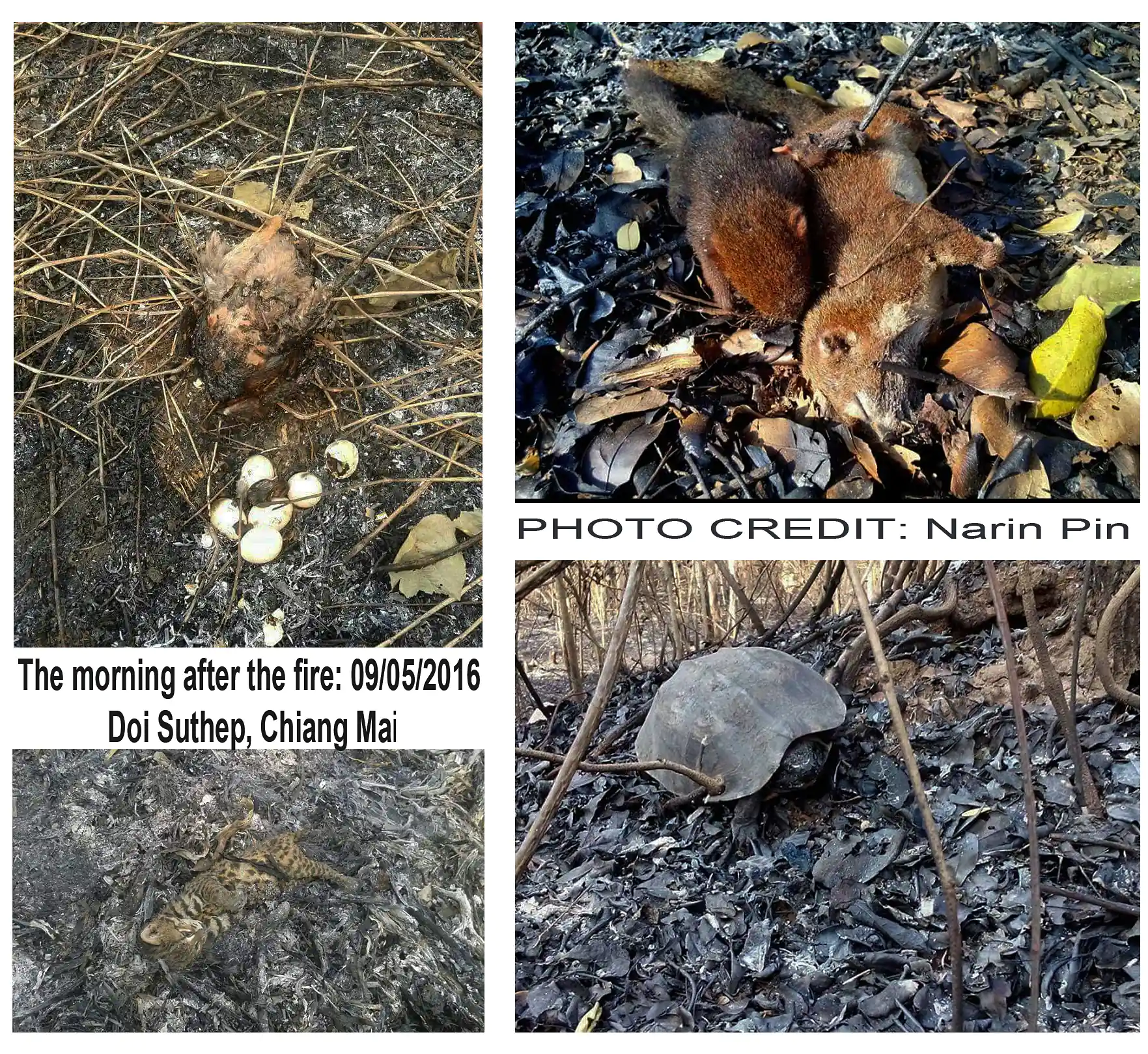
Burning Season is one of Northern Thailand’s greatest environmental challenges, affecting residents, visitors, wildlife and local businesses alike.
While the smoky skies can be disappointing, especially if you’ve travelled here hoping to experience the region’s spectacular mountain scenery, they represent a much bigger issue than tourism alone. Burning Season is shaped by generations of agricultural tradition, economic realities, geography, weather patterns and regional cooperation. There is no quick or simple solution.
The encouraging news is that awareness continues to grow. Advances in satellite monitoring, improved firefighting efforts, stricter regulations and increasing public discussion have all helped shine a spotlight on the issue. At the same time, researchers, government agencies, local communities and farmers are continuing to explore more sustainable approaches that reduce the need for widespread burning.
The best thing you can do is stay informed, monitor air quality, take sensible precautions when needed and support responsible tourism throughout the region.
Northern Thailand remains one of the most rewarding places in Southeast Asia to explore. And if you have the flexibility to visit outside the peak Burning Season months, you’ll be rewarded with crisp mountain air and stunning viewpoints.
Have you experienced Burning Season in Northern Thailand? I’d love to hear about your experience. If you have a question or think there’s something I’ve missed, leave a comment below.
Stay safe.
Warm Heart has been working with farmers for three years to come up with a solution. Biochar is definitely a major part of the solution to the problem. We are working on two projects for 2019 in an effort to demonstrate the effectiveness of our solution. Our program eliminates the smoke, puts more money in the farmers pockets, and benefits the environment. Our program is replicable, and we hope will ripple through Northern Thailand, throughout Burma, and Laos, Asia, any where small farmers need a profitable and smoke-free way to improve their lives. We will be announcing our two programs on April 1. (No joking!)
That is fantastic Carol and look forward to reading more updates. I will also update this write-up once the 2019 burning season is finished. Here is hoping that in the future this will all be a strange thing to look back upon, and clean air and safety for nature will be the norm in the coming years.