
Loy Krathong & Yi Peng Festival Guide
Thailand | Nationwide | 1–2 days | November (full moon) | Free Guide
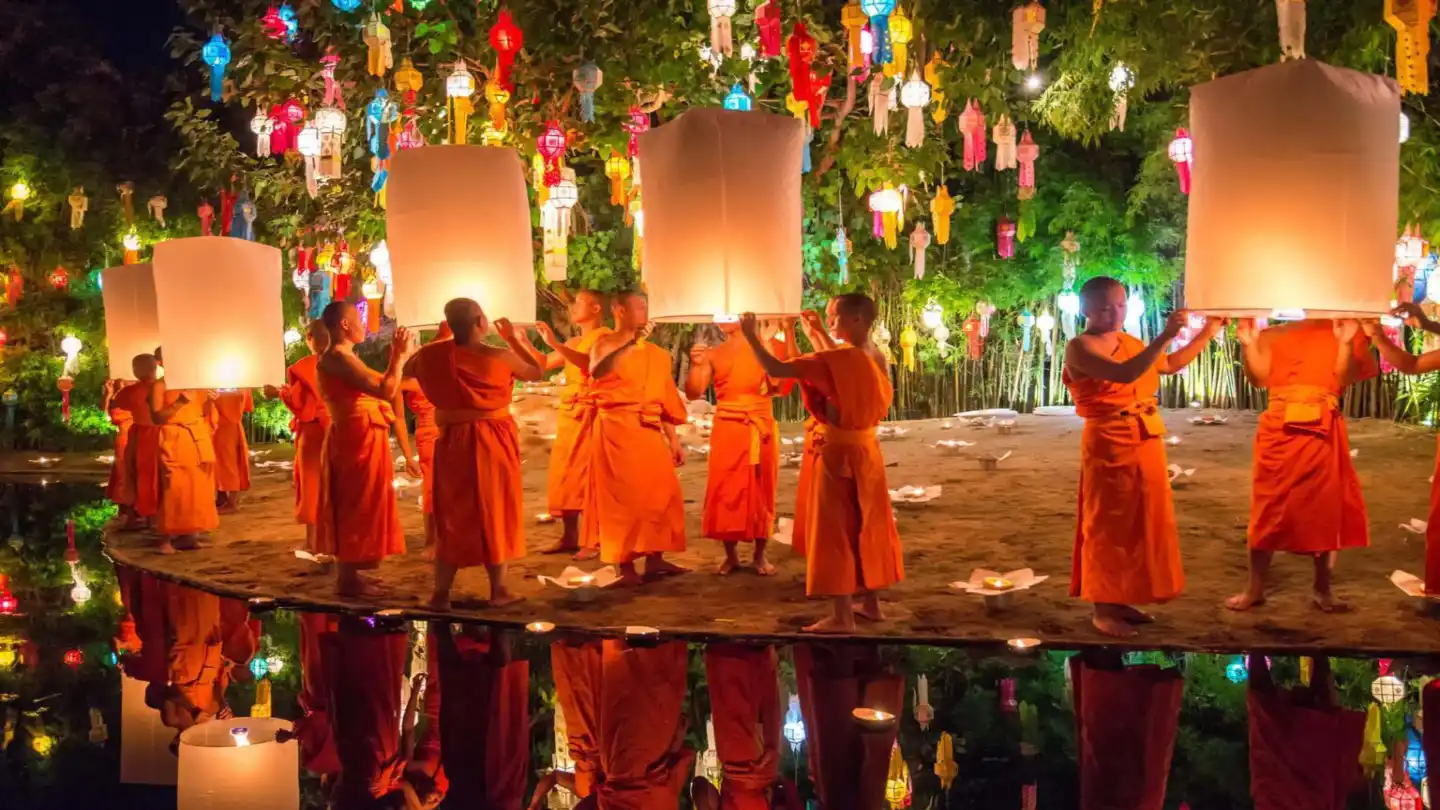
Loy Krathong, often called the Festival of Lights, and Yi Peng, the northern lantern festival, come together to create one of the most visually striking celebrations in Thailand.
Why Visit
This is one of the few times in Thailand where two completely different traditions come together (in Northern Thailand), to create something bigger than either on its own. You get the calm, reflective side of Loy Krathong alongside the dramatic, visual impact of Yi Peng.
What to Expect
Loy Krathong: Expect rivers and lakes filled with candlelit offerings, quiet moments, and a more reflective atmosphere focused around water and tradition.
Yi Peng: Expect large crowds, organised lantern releases, and a more visually dramatic experience, especially in Chiang Mai, where the sky fills with floating lights.
Key Details: Where? When? How Much?
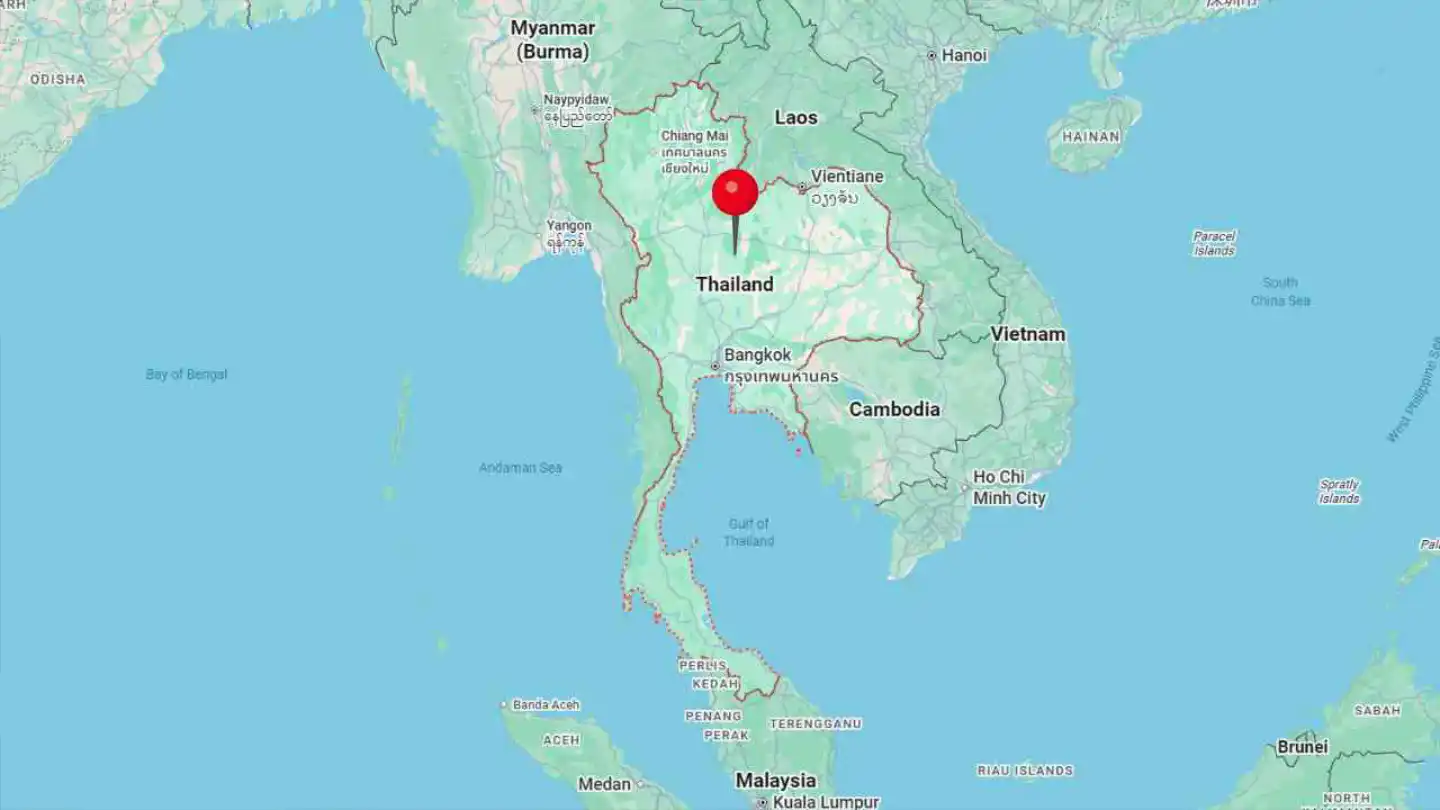
*Nationwide
Thailand
November
Month
1-2
Days
Free*
Entry
Contents
Are Loy Krathong and Yi Peng the same festival?
No, they are two separate festivals; Loy Krathong takes place on water across Thailand, while Yi Peng is a northern lantern festival rooted in Lanna culture, mainly celebrated in Chiang Mai.
Why are Loy Krathong and Yi Peng celebrated together?
They fall on the same full moon in November, which is why they overlap—especially in northern Thailand where both traditions are observed.
Where is the best place to see both festivals together?
Chiang Mai is the most popular place to experience both sky lanterns and floating krathongs at the same time.
Where is the best place for Loy Krathong?
Sukhothai offers one of the most traditional and atmospheric Loy Krathong experiences, without the sky lanterns.
Can I release lanterns freely in Chiang Mai?
Not always—lantern releases are now regulated, and many large releases take place at organised or ticketed events.
Is Yi Peng celebrated outside Northern Thailand?
Not traditionally; Yi Peng is a Lanna festival, so the main celebrations are in northern provinces like Chiang Mai.
Is Loy Krathong celebrated all over Thailand?
Yes, Loy Krathong is celebrated nationwide, including in cities like Bangkok and smaller towns across the country.
What is a krathong made of?
Krathongs are usually made from banana leaves, flowers, candles, and incense, designed to float on water.
What do the lanterns and krathongs symbolise?
Both represent letting go of negativity and making wishes, with krathongs released on water and lanterns sent into the sky.
When do Loy Krathong and Yi Peng take place?
They are held on the full moon of the 12th lunar month, usually in November, with dates changing each year.
Is it crowded during the festivals?
Yes, especially in Chiang Mai, where large crowds gather for lantern releases and celebrations.
Do I need to book accommodation in advance?
Yes—accommodation in Chiang Mai and Sukhothai fills up quickly, so booking early is recommended.
Understanding Loy Krathong & Yi Peng
Two Separate Festivals
Separate & Combined. Loy Krathong and Yi Peng are often experienced together, but they are not the same festival. Loy Krathong takes place across Thailand, where candlelit offerings are floated on rivers, lakes, and canals. Yi Peng, on the other hand, is a northern Thailand (Lanna tradition), most strongly associated with Chiang Mai, where thousands of lanterns are released into the night sky.
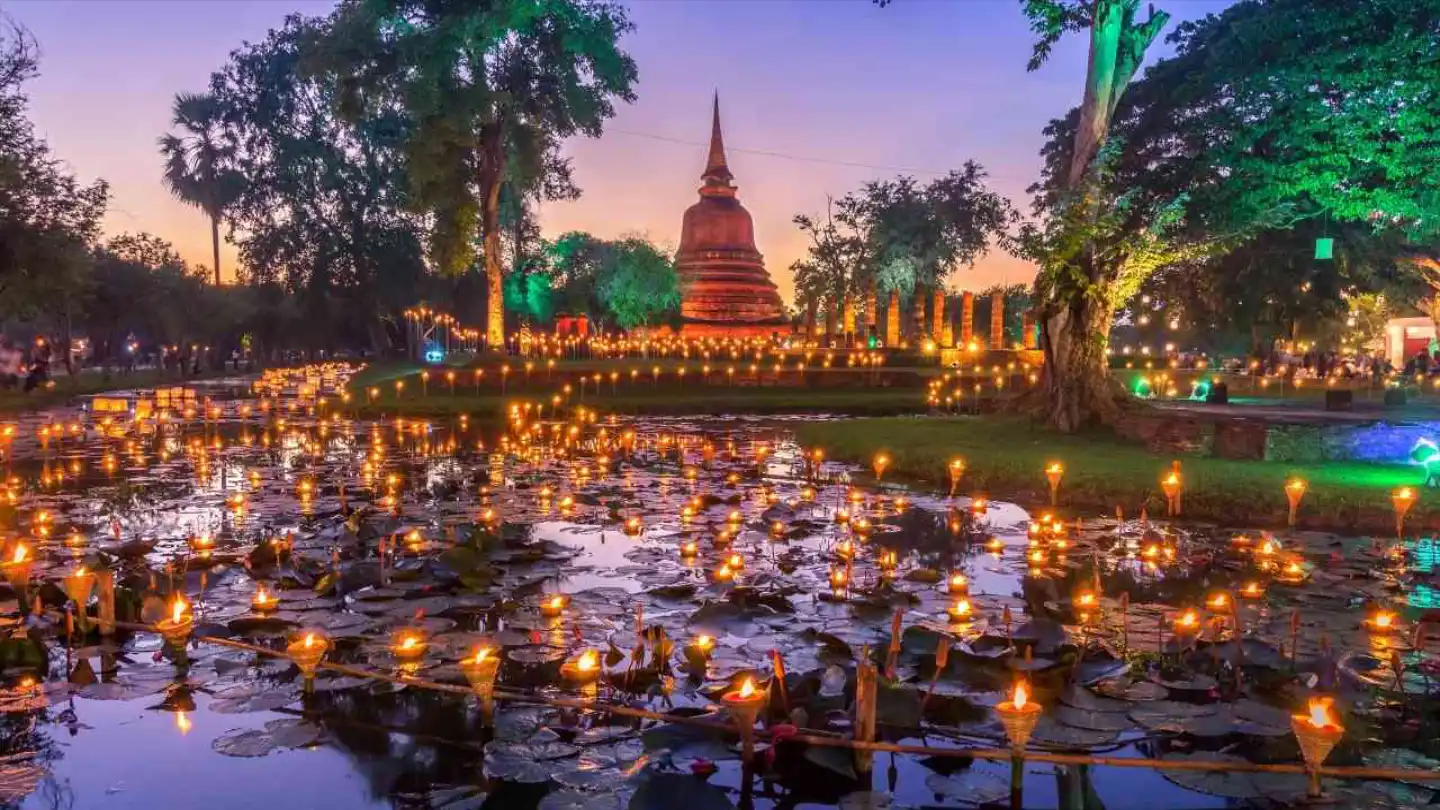
While these two festivals now appear as a single experience in places like Chiang Mai, they come from different traditions, with different meanings, and are best understood both together and separately.
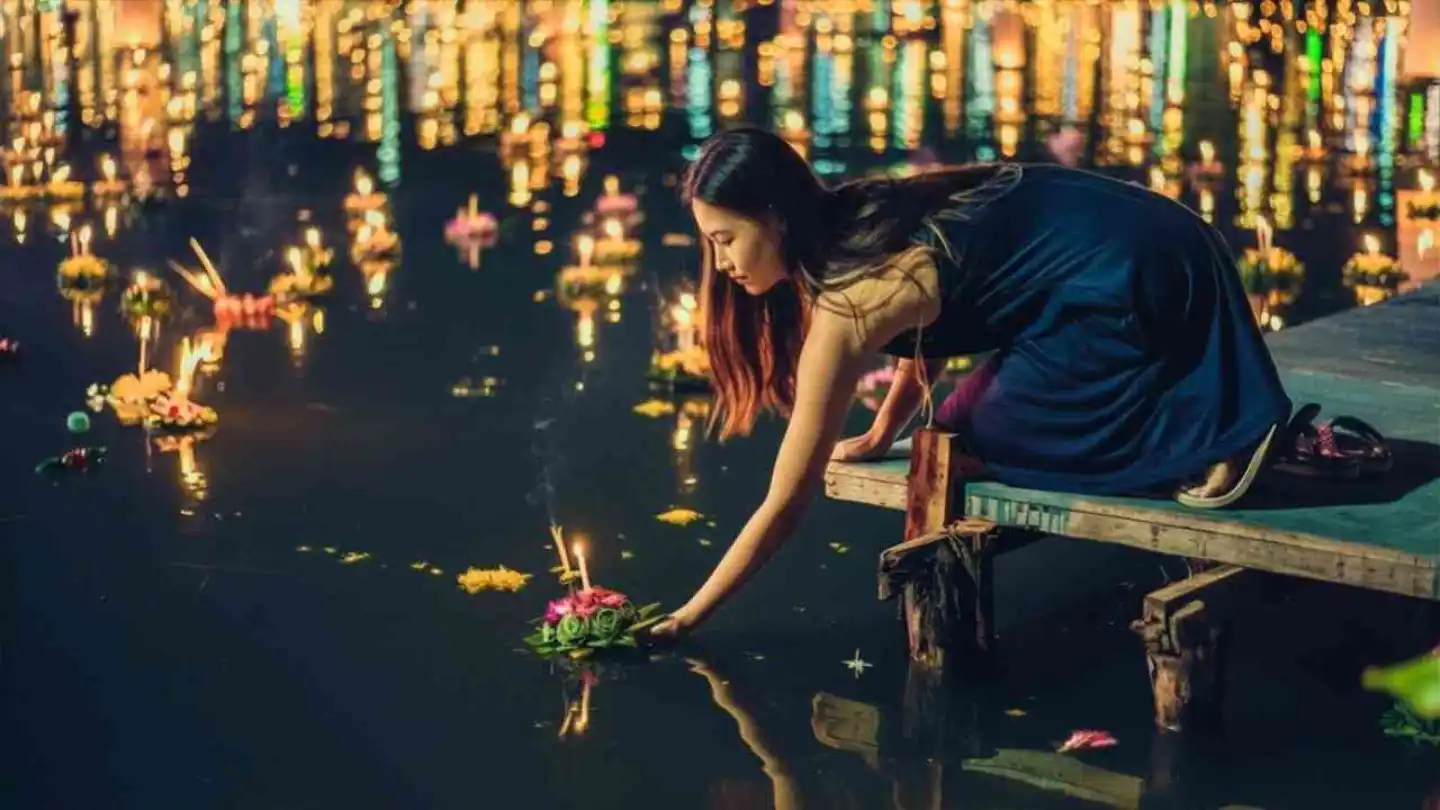
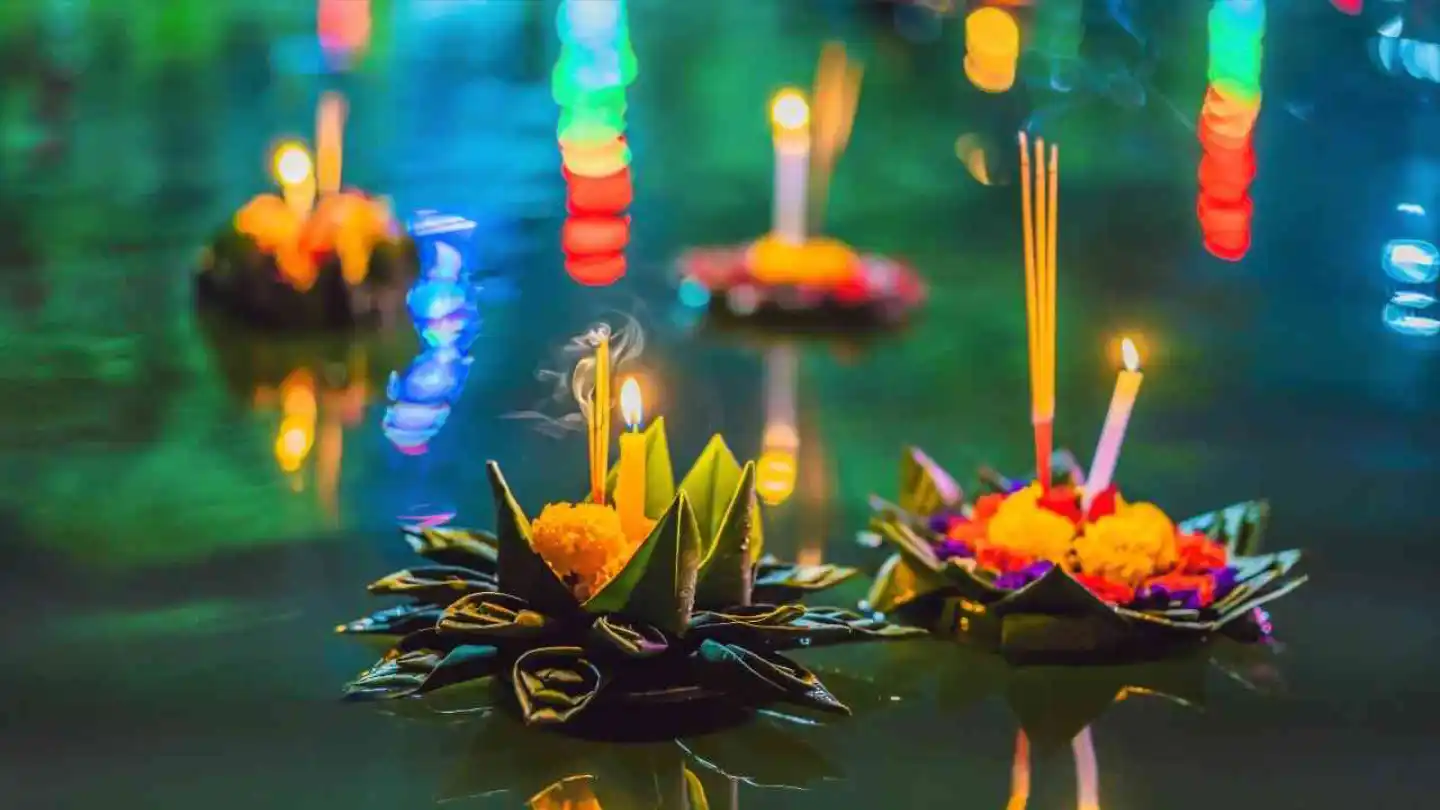
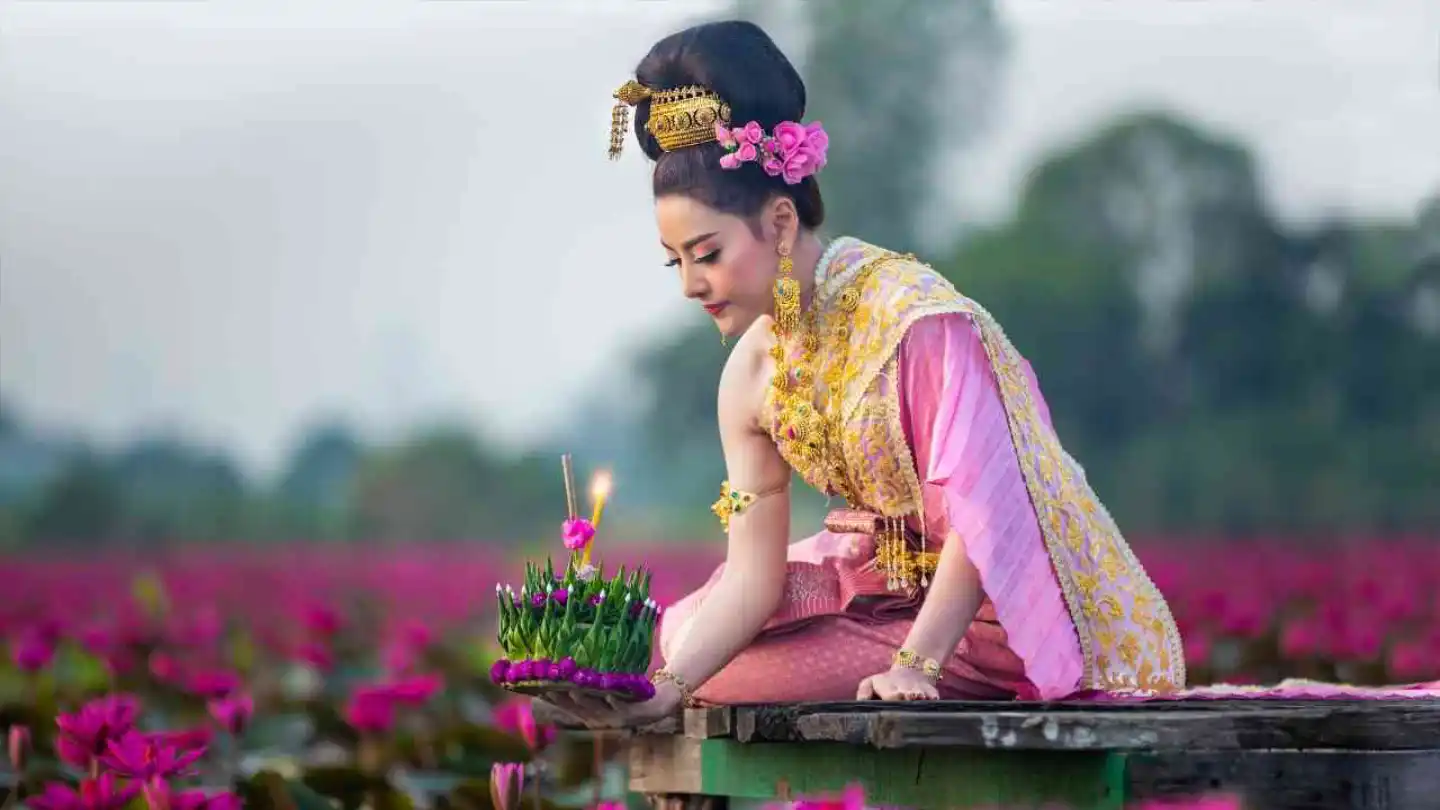
Loy Krathong is known as Thailand’s Festival of Lights. People release small floating offerings—called krathongs—onto rivers and lakes as a symbolic act of letting go, making wishes, and showing respect to the water.
Meaning & Symbolism: Letting go of negativity and past mistakes. Giving thanks to the water goddess (Mae Khongkha). Making wishes for the future. It’s quiet, reflective, and more personal than it first appears.
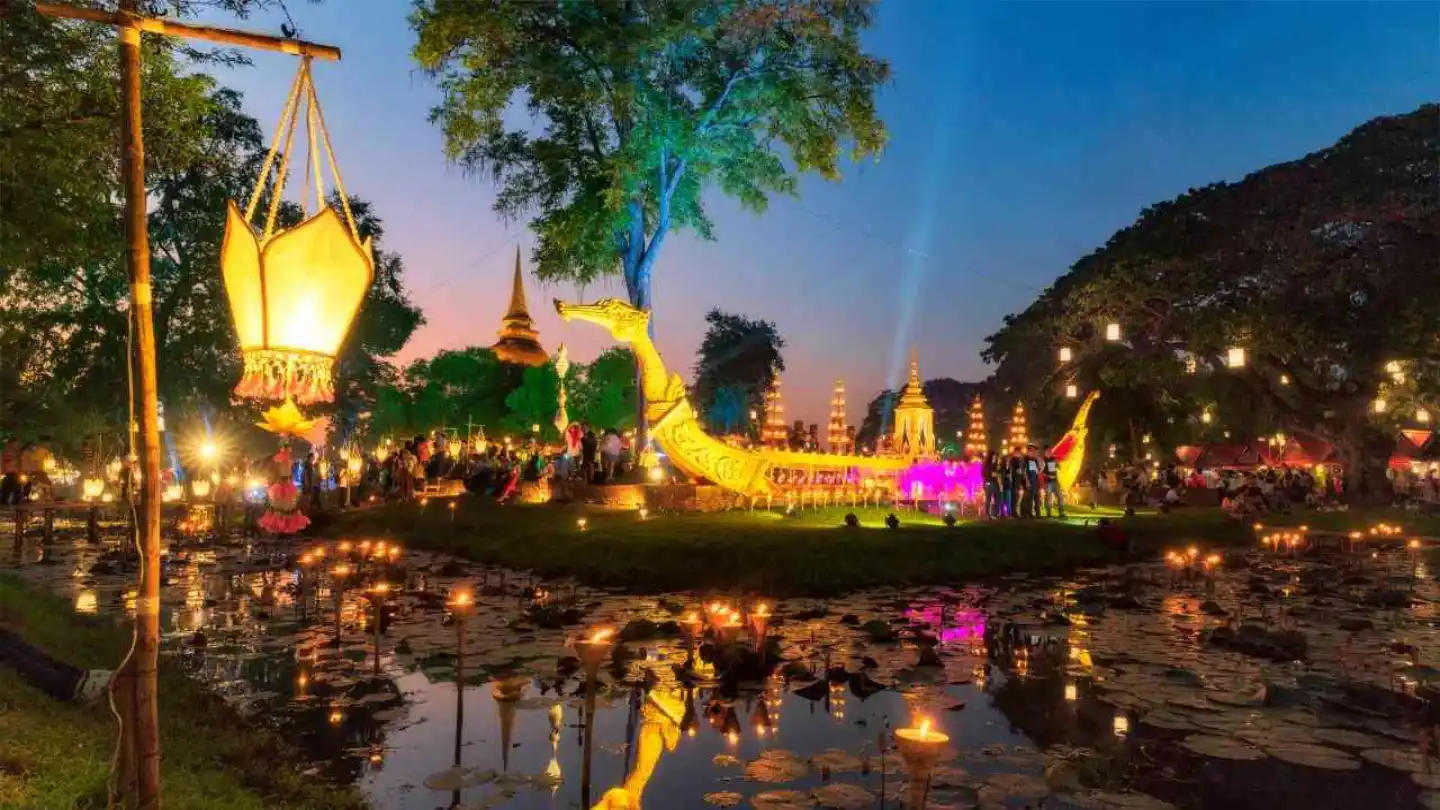
Where Loy Krathong Began. Loy Krathong is often linked to Sukhothai, the ancient capital of Thailand, where the festival is believed to have originated or at least been formalised. Today, Sukhothai still hosts one of the most traditional and visually atmospheric celebrations, set among historic ruins and temples.
What is a Krathong?: A krathong is a small floating offering, usually made from: banana leaves, flowers, candles and incense. It represents release, gratitude, and renewal.
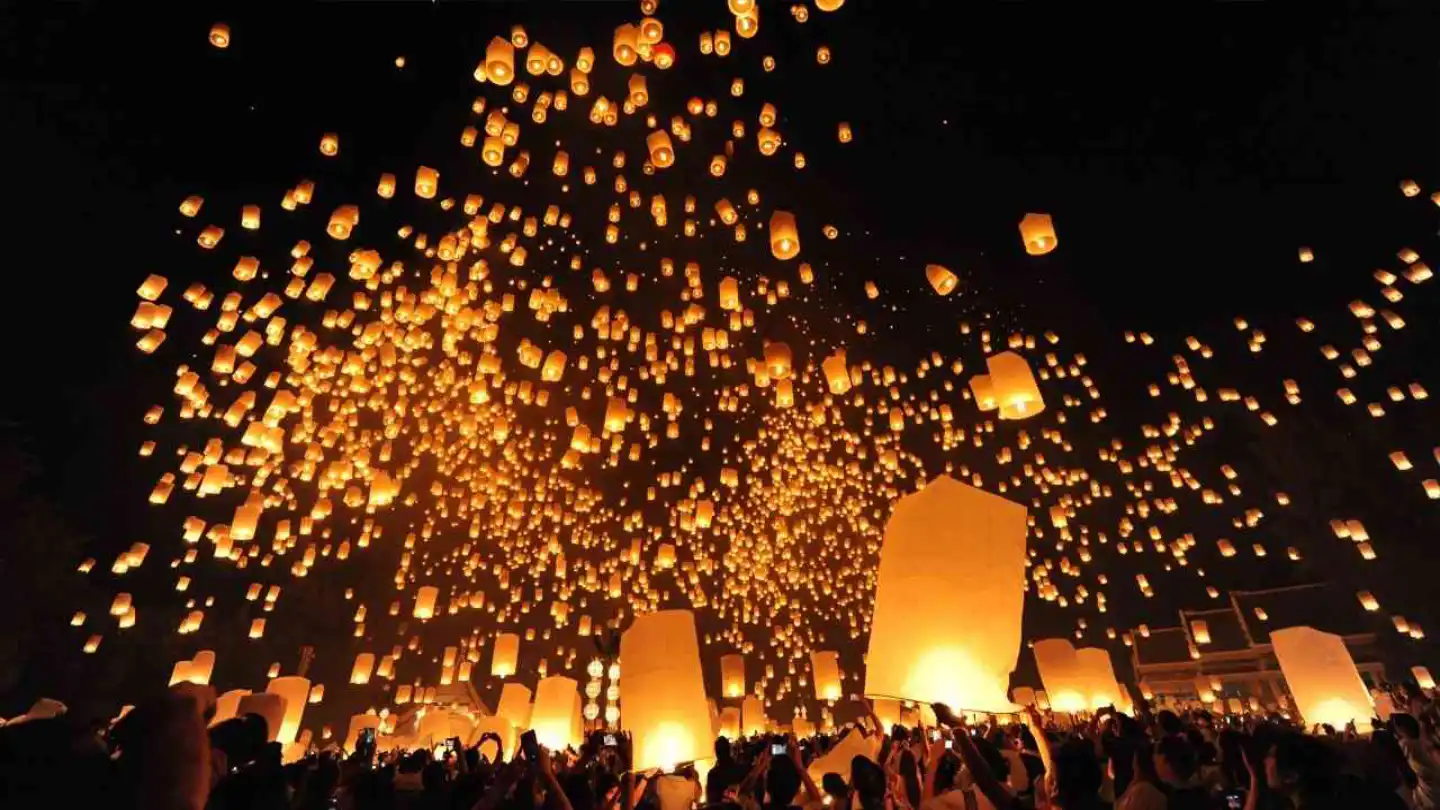
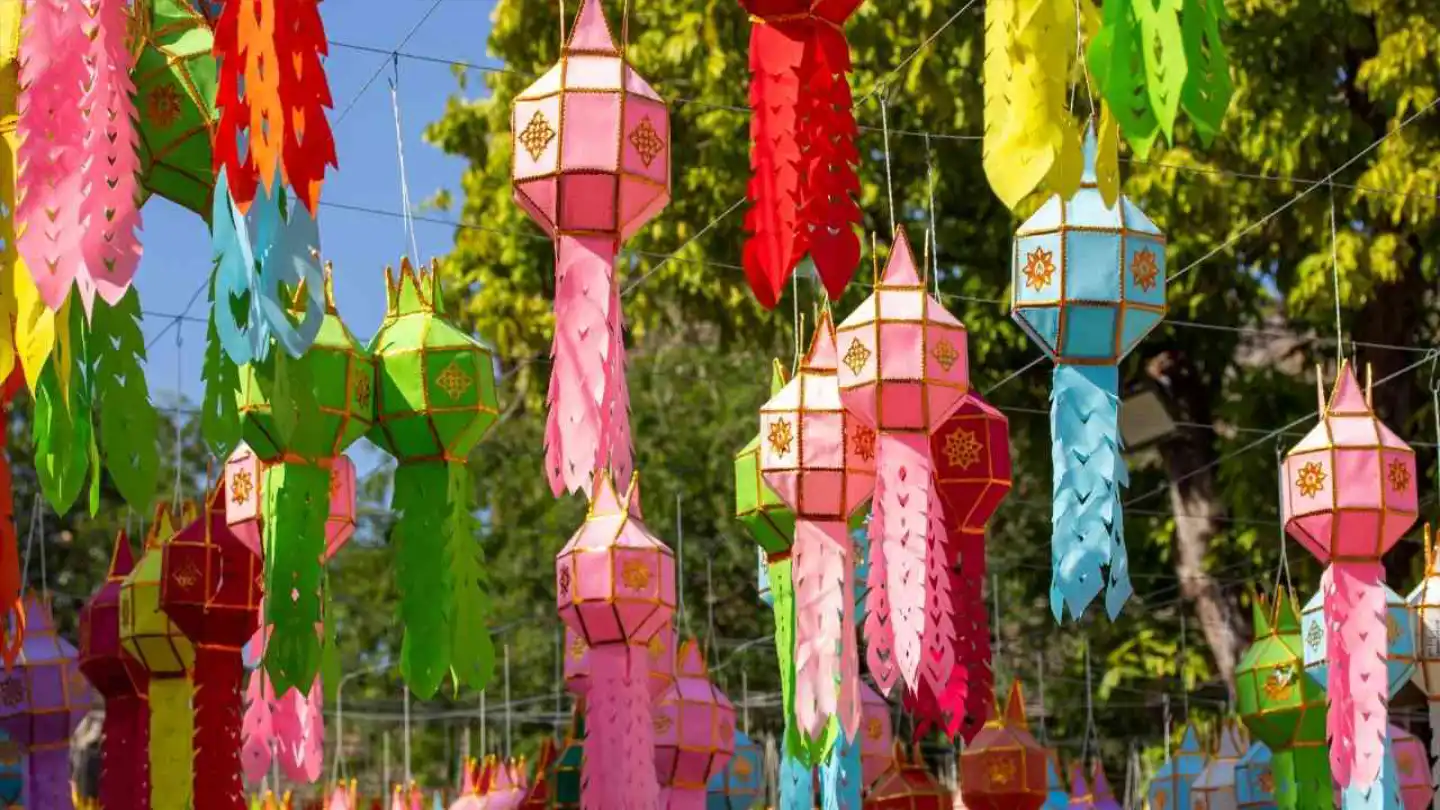
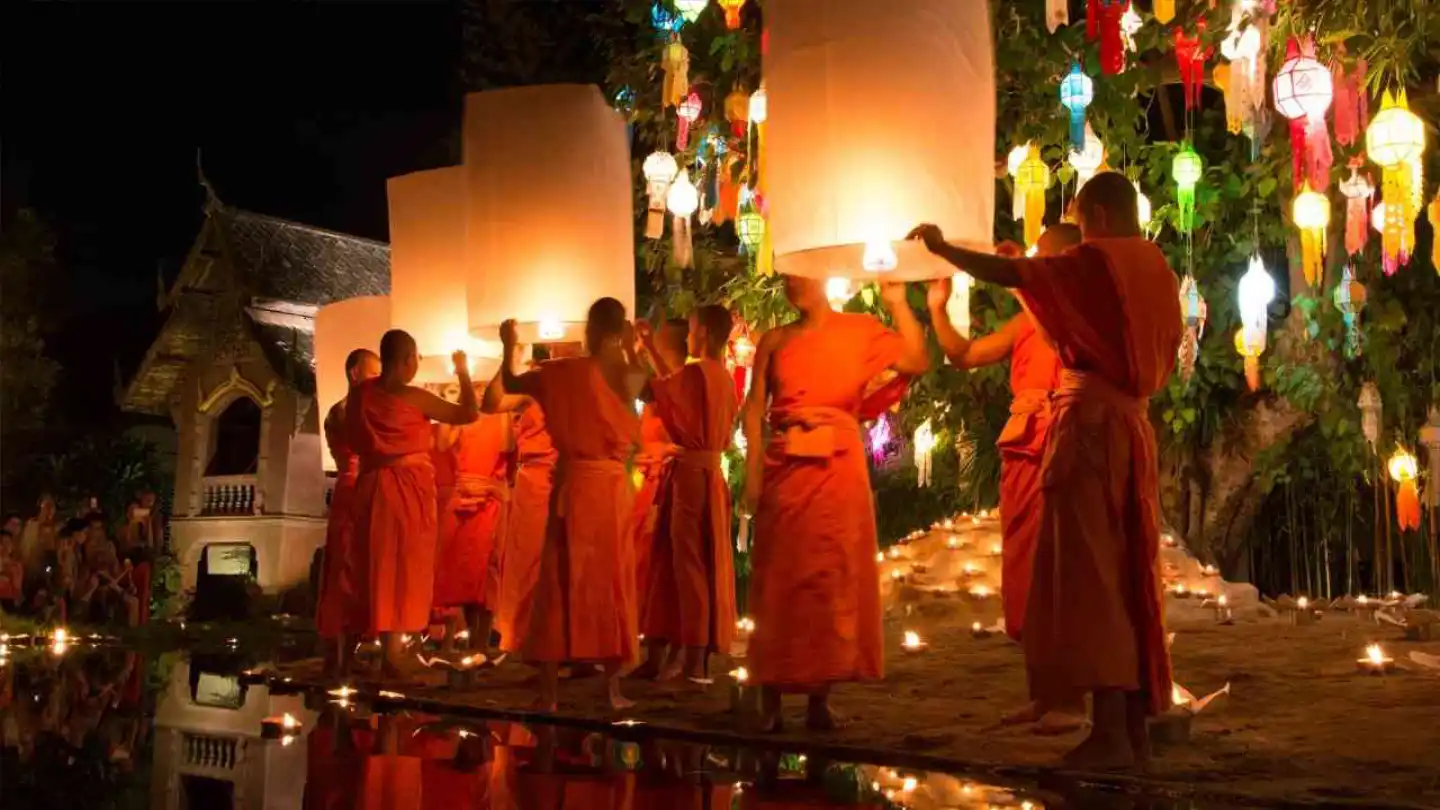
Yi Peng is a northern Thai (Lanna) festival, traditionally celebrated in the old kingdom of Lanna, centred around Chiang Mai. It involves releasing sky lanterns (khom loi) as a symbolic act of letting go and sending wishes into the sky.
Lanna Roots: Yi Peng is not originally a nationwide festival. It comes from Lanna culture, a distinct northern Thai identity with its own traditions, language, and history. This is why Chiang Mai is the centre of the experience—and why it feels different from Loy Krathong elsewhere..
Meaning of the Lanterns: letting go of misfortune, sending prayers and wishes upward, spiritual cleansing and renewal. The act of release is central—both emotional and symbolic.
Modern Changes (Important). Lantern releases in Chiang Mai are now regulated or restricted. Many large releases happen at paid events. Free releases still exist, but are limited and controlled
What Are Mass Lantern Releases?
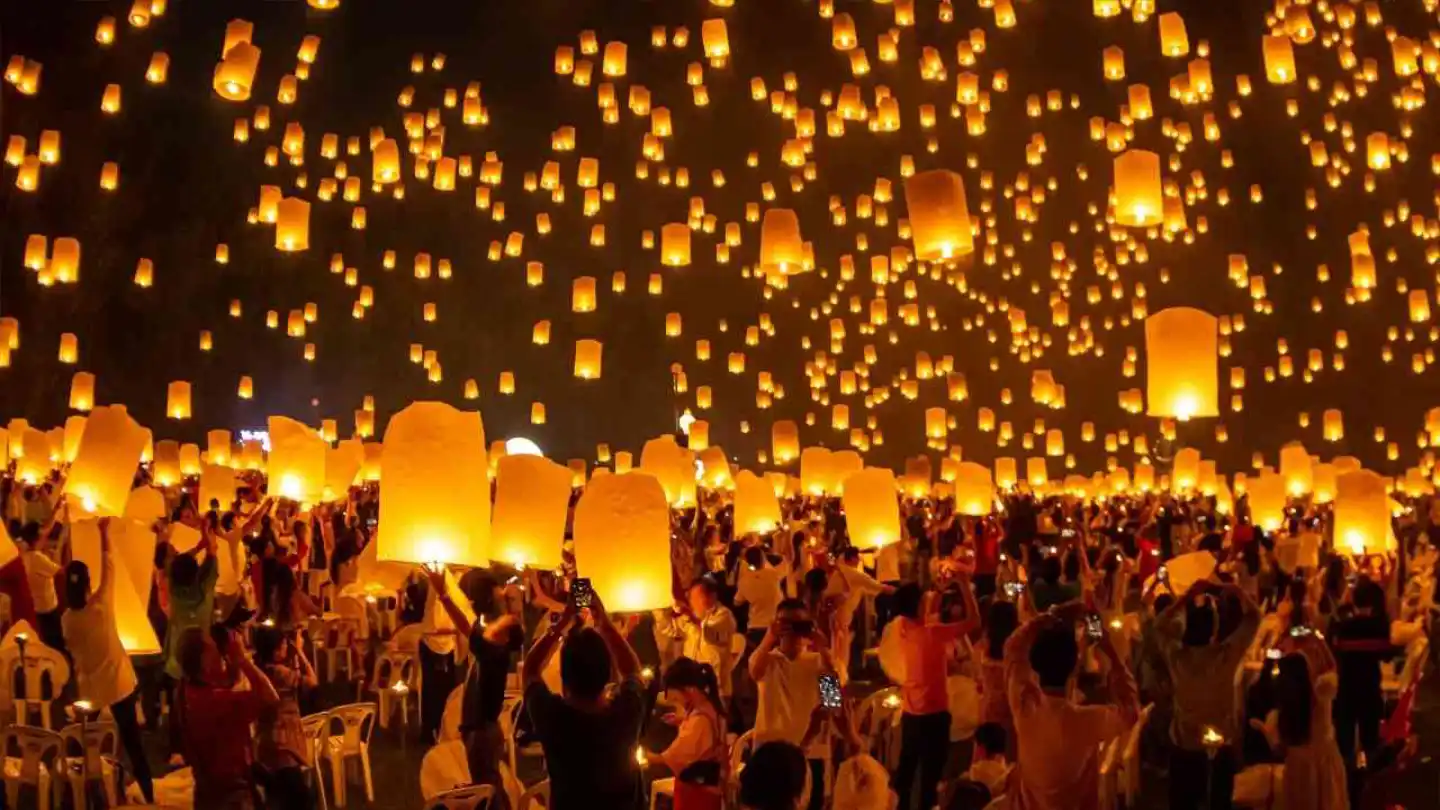
Mass lantern releases are the large, organised events where thousands of lanterns are released into the sky at the same time. These are the iconic scenes you often see online—but they are not the same as the traditional local celebrations.
Important: This Is Not the Same as Free Yi Peng.
In the past, lanterns were released more freely across Chiang Mai. Today, due to safety regulations and air traffic restrictions, most large-scale lantern releases are: controlled, organised, often ticketed. This is one of the biggest misunderstandings visitors have.
Ticketed Events (Main Experience).
The large, synchronised releases now take place at organised venues outside the city. Typical features: set release times, structured ceremony (often with monks and meditation), thousands of lanterns released together, seating areas and managed crowds. These events are designed to create that perfect, coordinated lantern moment.
Where Do These Take Place?
Most mass releases are held outside central Chiang Mai, in large open areas to meet safety requirements. Locations vary each year but are usually: countryside venues, private event spaces, designated launch zones away from flight paths.
Cost:
Ticket prices vary widely, but expect: Mid-range to premium pricing. Packages that may include transport, food, and lanterns. This is very different from the traditional, free local celebrations.
Pros of Mass Lantern Events:
Visually stunning and highly coordinated. Safer and more controlled. Easier for first-time visitors to understand.
Cons of Mass Lantern Events:
Not fully traditional. Can feel staged or commercial. Expensive compared to local celebrations. Less spontaneous atmosphere.
Alternative: Experiencing Yi Peng Locally.
If you prefer a more authentic experience walk around temples and neighbourhoods in Chiang Mai. Look for smaller, local lantern releases. Combine it with Loy Krathong along rivers and canals. This won’t be as visually dramatic—but it often feels more real.
Which Should You Choose?
Mass event → Best for iconic photos and a structured experience.
Local experience → Best for culture, atmosphere, and authenticity.
Bottom Line
Mass lantern releases are what most people imagine when they think of Yi Peng—but they are only one version of the festival. Understanding the difference helps you choose the experience that suits you, rather than turning up with the wrong expectations.
Travel Info
Dates for Loy Krathong
Loy Krathong is celebrated on the full moon of the 12th lunar month, usually falling in November.
Popular Locations Loy Krathong
Schedule Overview for Loy Krathong & Yi Peng
The schedule may vary, but the festival generally runs as follows:
- Day 1 – Preparation & Cultural Build-Up
The first day is usually quieter and more local, focused on preparation and community activities.
Temples hold merit-making ceremonies
Locals begin crafting krathongs and lanterns
Streets and homes are decorated with candles and lanterns
Small cultural performances and markets begin
- Day 2 – Parades & Main Celebrations
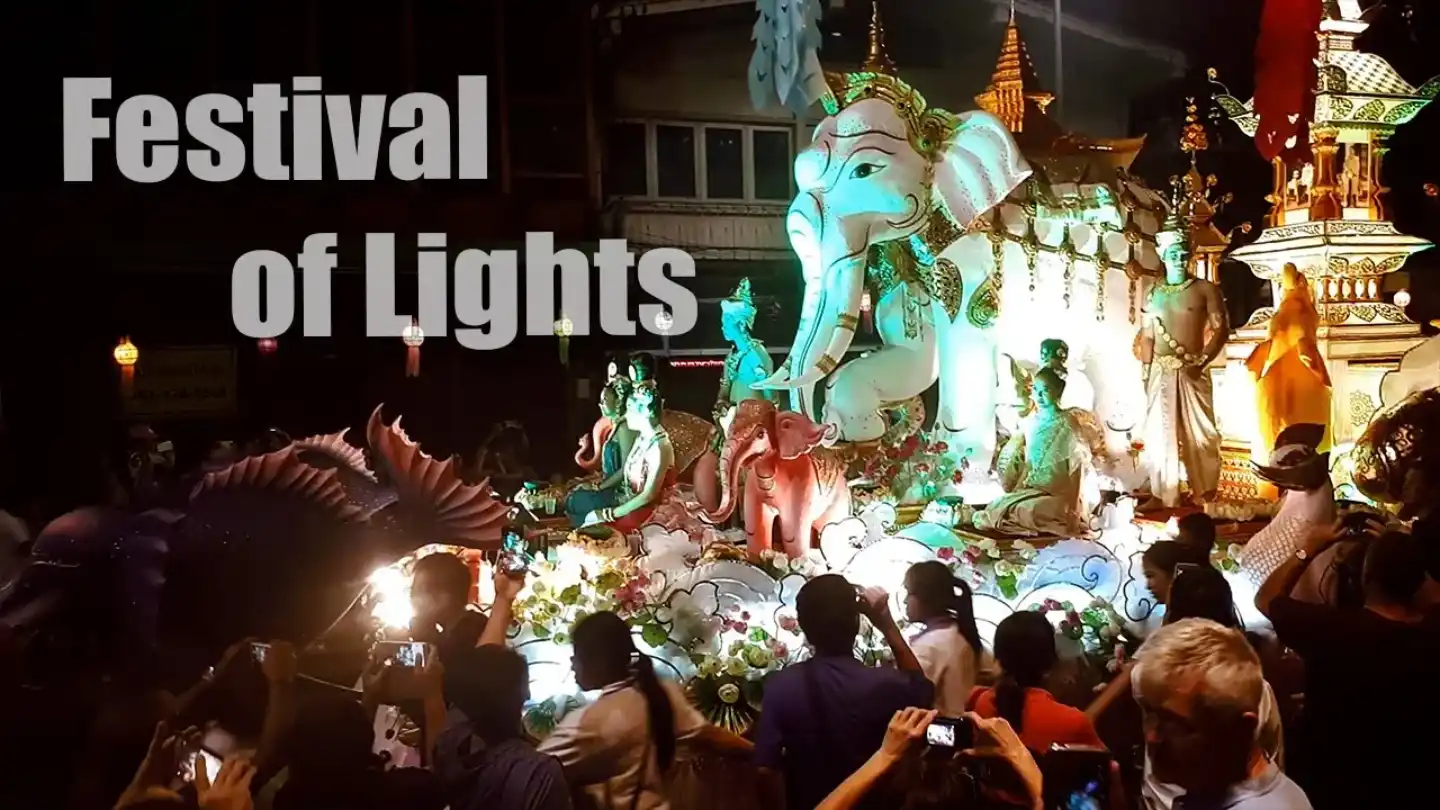
Cultural parades with traditional costumes and floats
Noppamas Queen contests and performances
Street markets, food stalls, and live music
Lantern decorations and candle displays across the city
- Day 3 – Full Moon Night (Main Event)
This is the highlight of both festivals
People gather at rivers, lakes, and canals
Krathongs are released onto the water at night
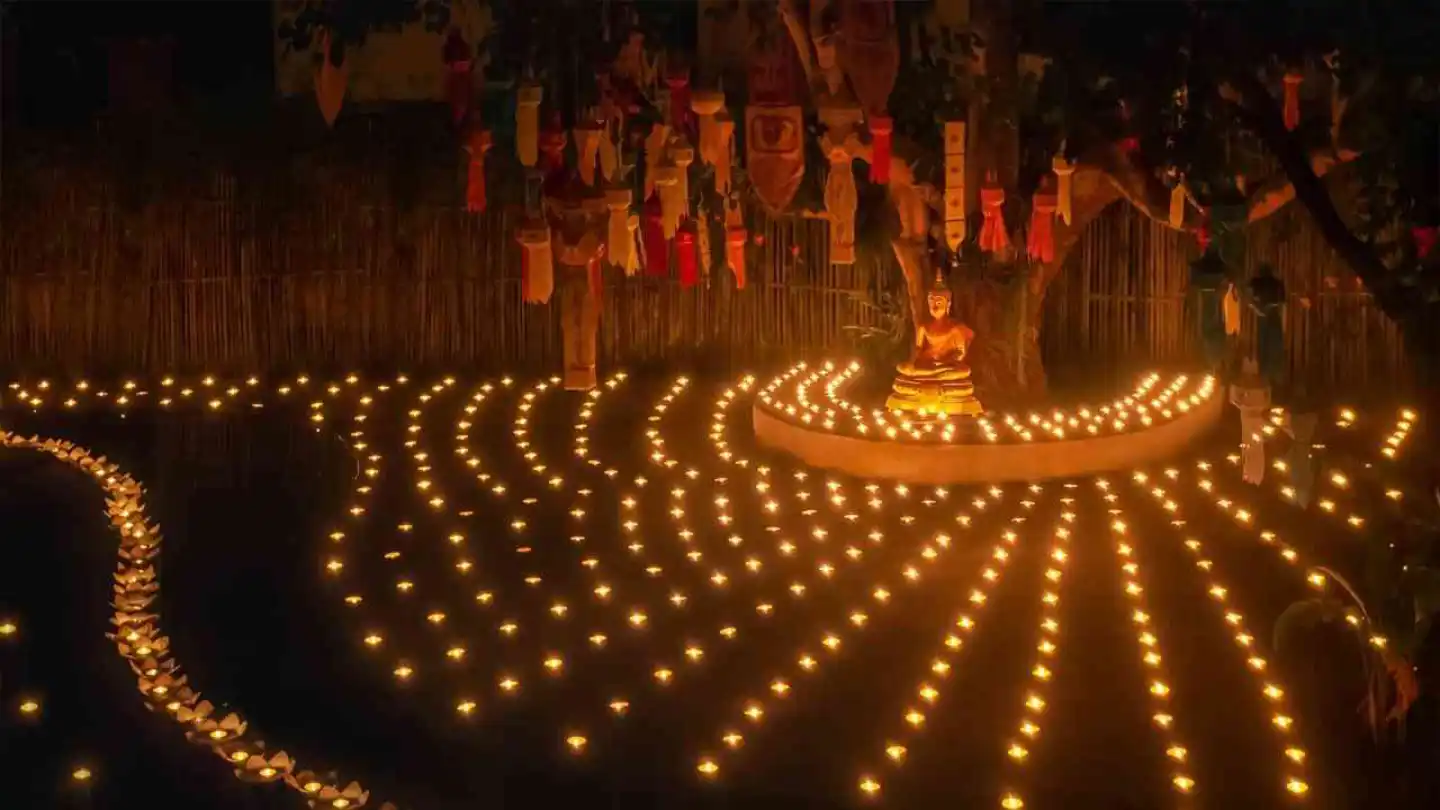
Candlelight reflections create a calm, atmospheric setting
Lanterns are released into the sky (where permitted)
Accommodation during Loy Krathong
Accommodation demand increases significantly across Thailand during Loy Krathong, especially in popular destinations like Chiang Mai, Bangkok, Sukhothai, and Ayutthaya.
How to Get to Loy Krathong & Yi Peng
Loy Krathong can be experienced nationwide, while Yi Peng is centred in Chiang Mai. Chiang Mai is accessible by flights, trains, buses, and private transport.
Food & Drinks
- Local Cuisine: Street food markets and riverside vendors offer a wide variety of Thai dishes, snacks, and desserts during the festival. Restaurants sell general Thai dishes and some offer Western food.
- Drinks: Soft drinks, fresh juices, and local beverages are widely available. Alcohol may be present in some areas, depending on location.
- Dietary Needs: Vegetarian or vegan options are available, especially near temples, but may be limited in smaller areas.
Culture & History
Ancient Roots & Evolution
Both festivals are rooted in older spiritual traditions, blending: Animism (nature and spirit beliefs), Brahmanic influences, and Buddhism. Over time, they became more structured and tied to the lunar calendar.
Both festivals take place on the full moon of the 12th lunar month, which is why they overlap. The full moon symbolises: letting go, completion, renewal.
Water and Sky: Dual Symbolism
What makes this combination unique is the contrast:
Water → grounding, reflection, release
Sky → aspiration, hope, upward movement
Together, they create a rare balance between the two.
Origin & Meaning of Loy Krathong
Loy Krathong dates back to the Sukhothai Kingdom and began as a ritual to give thanks to the goddess of water and to apologise for polluting it. Floating a krathong represents letting go of negativity, bad luck, and past mistakes.
Origins & Meaning of Yi Peng
Yi Peng originates from the ancient Lanna Kingdom in northern Thailand and is tied to Buddhist traditions and lantern ceremonies. Releasing a lantern symbolises letting go and sending wishes into the sky.
Although they began separately, the two festivals now overlap in northern Thailand, particularly in Chiang Mai, where they are celebrated together.
The Legend of Nang Noppamas
Nang Noppamas is a figure often associated with the origins of Loy Krathong, though her story sits somewhere between history and legend. She is said to have been a consort in the court of the ancient Sukhothai kingdom, where she created the first decorative floating offering—what we now call a krathong.
According to the story, her krathong was beautifully crafted from banana leaves and flowers, with candles and incense, and was presented to honour the water. This idea is believed to have inspired the tradition that continues today. However, many historians believe the story was written much later and may not be historically accurate. Instead, it has become part of the cultural narrative that helps explain and shape the festival.
Today, Nang Noppamas lives on symbolically through the Noppamas Queen contests, where participants dress in traditional Thai attire as part of Loy Krathong celebrations. She represents elegance, creativity, and the cultural identity tied to the festival, even if her true origins remain uncertain.
Parades & Processions
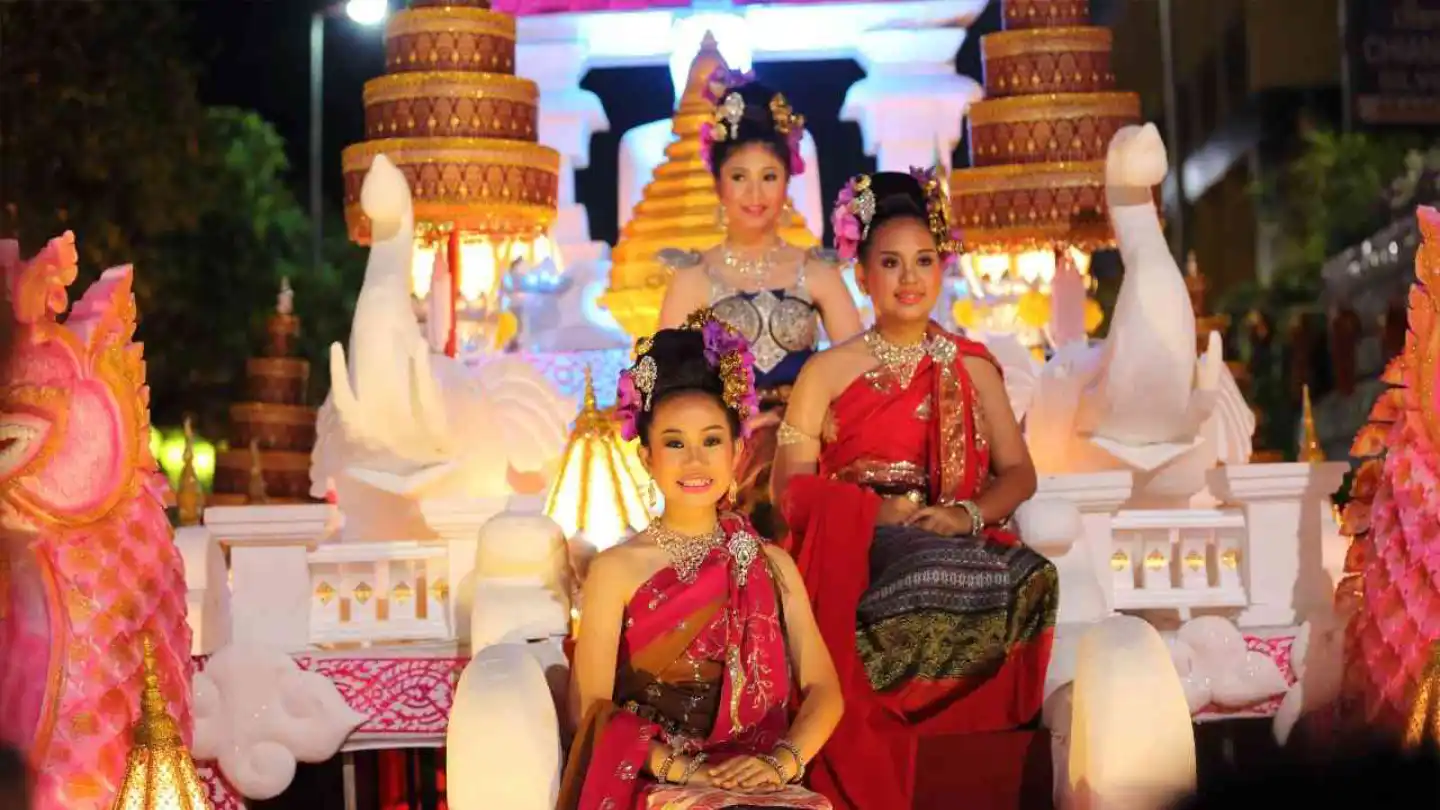
Loy Krathong parades are a common part of the celebrations across Thailand, adding a lively and cultural element alongside the quieter ritual of floating krathongs.
They typically feature traditional costumes, decorated floats, music, and dance performances, often including the well-known Noppamas Queen contests.
Parades usually take place in the evening, creating a build-up atmosphere before people gather at rivers, lakes, and canals to release their krathongs.
While not the central focus of the festival, they offer a more social and visual side of Loy Krathong, blending community celebration with cultural performance.
Continue reading ↓
Environmental Impact: Responsible Travel
Important: Environmental Impact & Responsible Travel Aspect
Loy Krathong is a beautiful tradition, but it also has a growing environmental impact—something that’s becoming increasingly important to consider. Thousands of krathongs are released into rivers and lakes in a single night, and while many are made from natural materials, others include foam, plastic, pins, and non-biodegradable decorations that can harm wildlife and waterways.
Even biodegradable krathongs can create waste when released in large numbers, as they still need to be collected and managed afterward. Because of this, some travellers now choose to observe rather than participate, especially in heavily crowded areas. Watching the lights on the water can be just as meaningful, without adding to the environmental impact.
If you do want to take part, consider: Choosing a fully biodegradable krathong (banana trunk, bread, or natural materials). Sharing one krathong between friends instead of using multiple. Avoiding plastic decorations or synthetic materials
Many cities, including Bangkok, actively promote eco-friendly krathongs and organise clean-up efforts after the festival. Ultimately, being mindful of the impact allows you to experience the festival while respecting the environment it depends on.
In Closing
Thailand’s Visually Stunning Festival
Loy Krathong and Yi Peng together create one of the most memorable experiences in Thailand, combining water, light, and sky into a single moment that feels both calm and visually powerful.
Additional Highlights
Things to do during Loy Krathong
Krathong Workshops: There are often Krathong-making workshops available, to build your own floating Krathong.
Make “Merit”: Visit temples, participate in rituals, make donations.
I hope you found the guide useful, if so, drop a comment and if you have questions I haven’t covered, drop them in the comments below.