
Songkran Festival Guide – The Thai New Year
Thailand | Nationwide | 3–5 days | April 13–15 | Free Guide
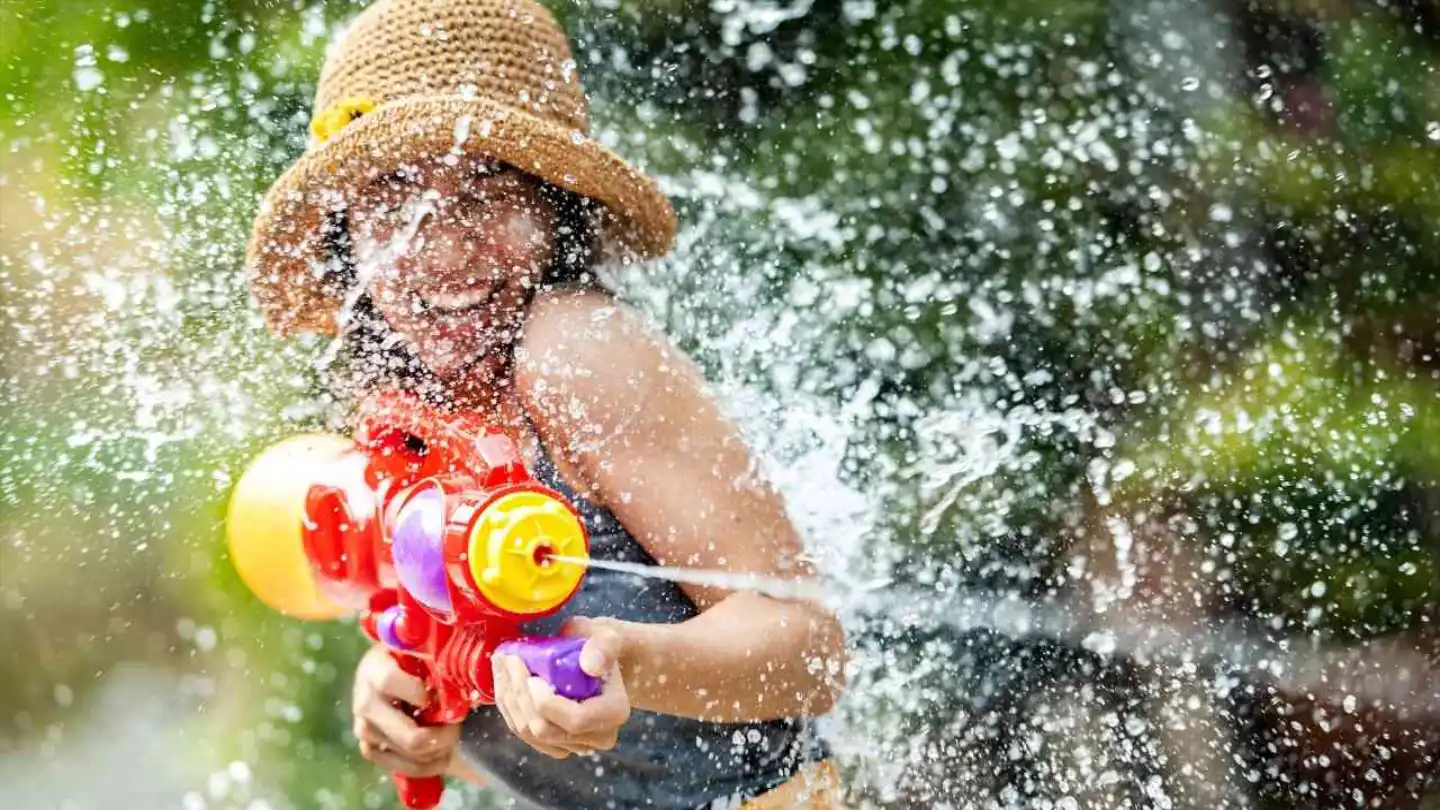
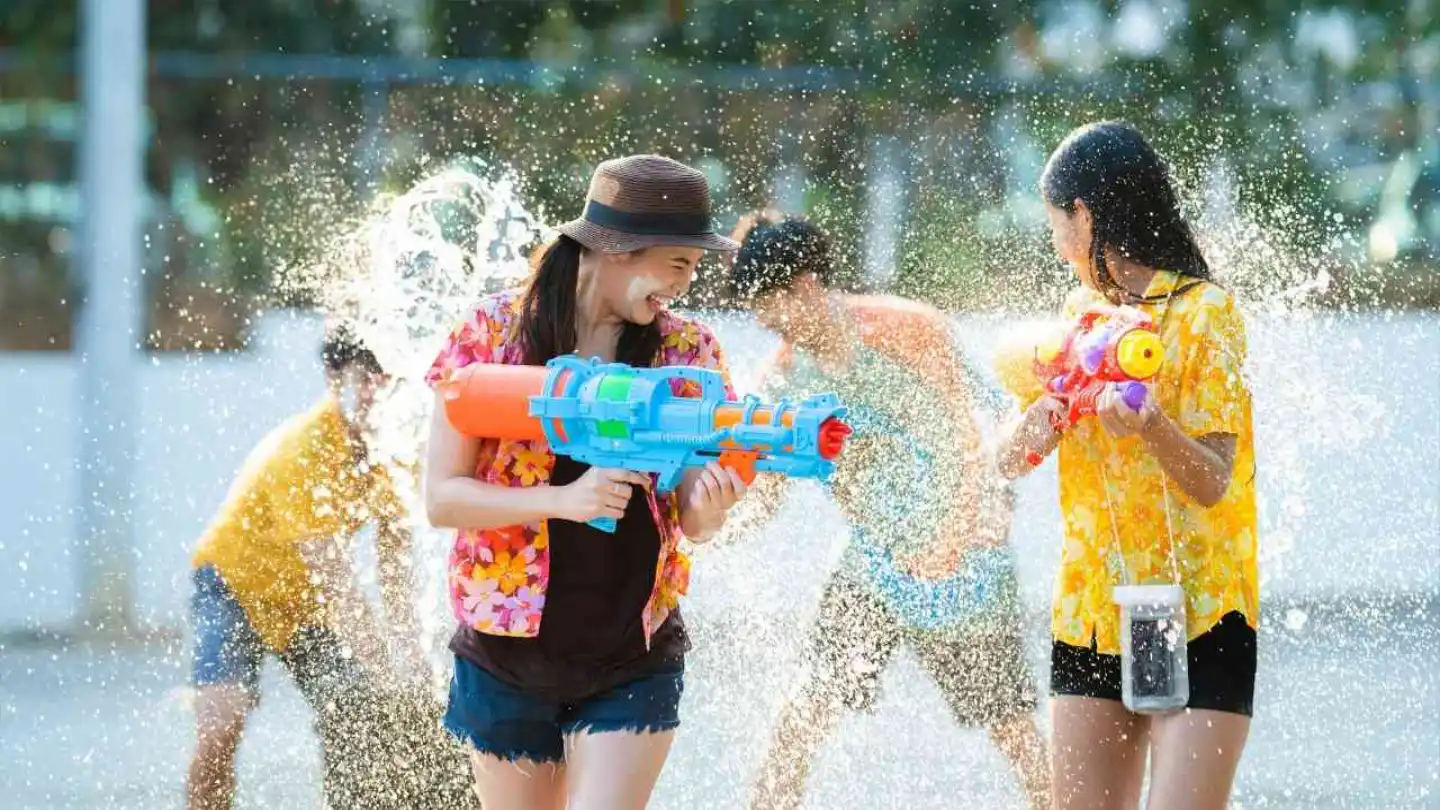
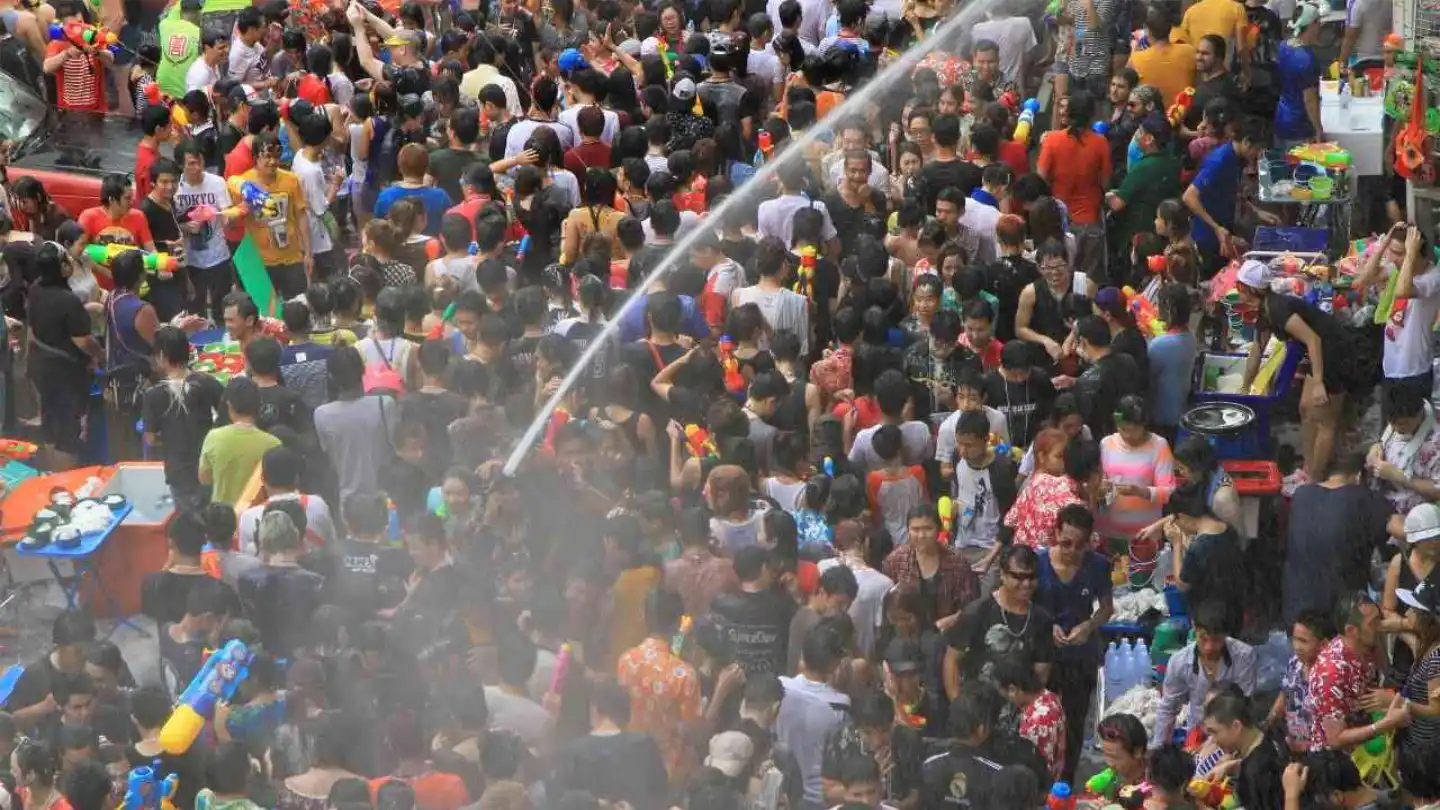
The Songkran Festival is Thailand’s most famous nationwide festival and is a must-see event in the kingdom. Known as the Thai New Year, this nationwide celebration is famous for its massive water fights, lively street parties, and meaningful traditions rooted in Buddhism. It’s fun, chaotic, refreshing, and deeply cultural—where ancient rituals of cleansing and renewal meet one of the world’s biggest public celebrations.
Why Visit
Songkran is one of those festivals where the entire country comes alive. Visitors come for the water fights and high-energy atmosphere, but what makes it special is the deeper cultural meaning behind it. Rooted in cleansing, renewal, and respect, Songkran marks the Thai New Year with traditions that bring families, communities, and travellers together.
What to Expect
Expect a mix of high-energy celebrations and meaningful tradition. Highlights include nationwide water fights, music and street parties, visits to temples, pouring water over Buddha statues, and paying respect to elders.
Key Details: Where? When? How Much?
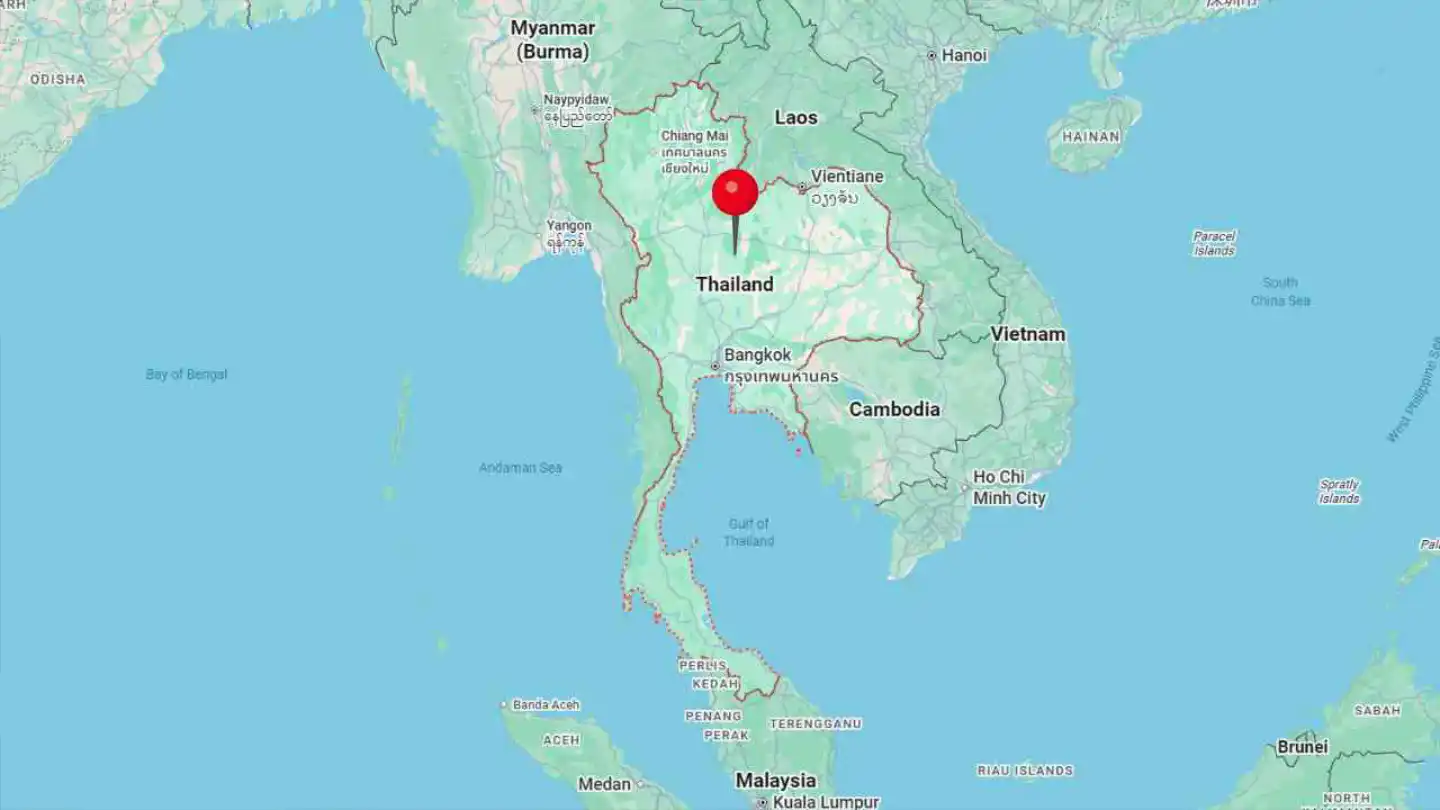
Nationwide
Thailand
13 -15*
April
3-5
Days
Free
Entry
Contents
When is Songkran Festival held?
Songkran is celebrated every year from April 13–15, though in some areas (like Chiang Mai or Pattaya), celebrations can last longer.
Is Songkran free to attend?
Yes, Songkran is completely free to take part in. You may only pay for things like water guns, food, drinks, or special events.
How long does Songkran last?y?
Officially, it lasts 3 days, but in reality, celebrations can extend to 4–7 days depending on location.
Where is the best place to celebrate Songkran?
Popular locations include: Chiang Mai – biggest and most immersive, Bangkok (Khao San Road / Silom) – intense street celebrations, Pattaya – extended celebrations, Smaller towns – more traditional and relaxed
What actually happens during Songkran?
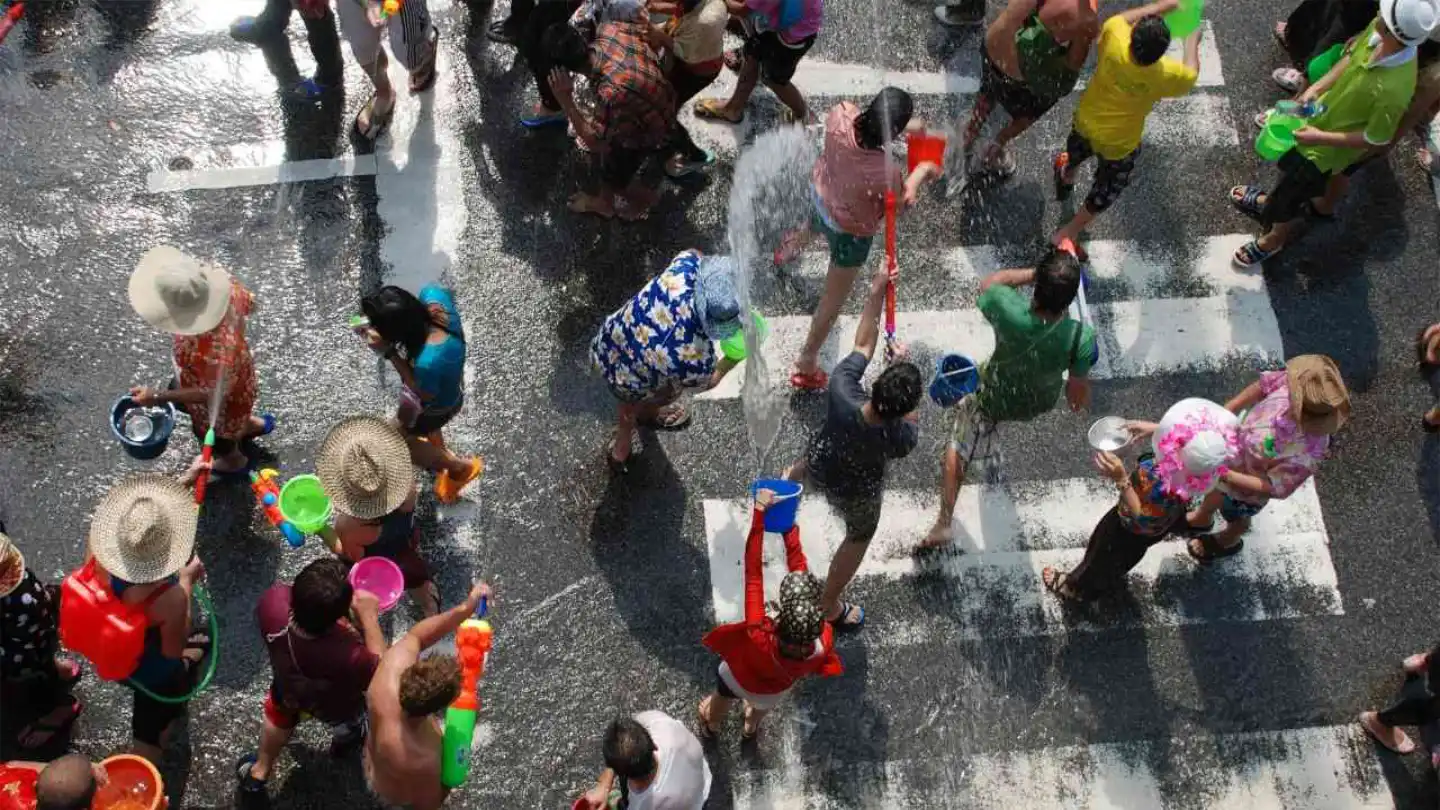
Songkran is known for its nationwide water fights, but it also includes: cleaning homes for the new year, visiting temples, pouring water over Buddha statues, respecting elders.
Is Songkran just a water fight?
No — while the water fights are the most visible part, Songkran is actually Thailand’s traditional New Year, with strong cultural and religious roots.
What should I wear?
Light, quick-drying clothes. Flip-flops or waterproof shoes. Avoid anything white or see-through. You will get soaked.
What should I bring (or not bring)?
Bring: Small amount of cash. Waterproof phone pouch
Avoid: Electronics without protection, Valuables
Is it safe?
Generally yes, but be aware of: slippery roads, large crowds, road accidents (Songkran is known for high traffic incidents), stay aware and avoid riding during peak water fight times.
Can I ride a motorbike during Songkran?
You can, but it’s not recommended during peak days, especially in cities. Roads are wet, visibility is reduced, and people will throw water at passing vehicles.
Is Songkran family-friendly?
Yes, but it depends on location. Smaller towns = calmer and more suitable for families. Big city areas = loud, crowded, chaotic
Are there any rules or etiquette?
Yes: Keep it fun, not aggressive. Don’t throw water at monks, elderly, or babies. Avoid using dirty water. Be respectful in temples. Water play is between 12pm and 6pm.
Is public transport available?
Yes, but expect: Delays. Crowds. Road closures in major areas. Plan ahead and allow extra time.
Is it worth experiencing?
Absolutely. Songkran is one of the most fun, chaotic, and memorable festivals in Thailand, combining tradition with a huge nationwide celebration.
Travel Info
Dates for Songkran Festival
Songkran is one of the few festivals in Thailand with fixed dates, celebrated annually from April 13–15. However, celebrations can last longer depending on the region, with some cities extending festivities for several extra days.
Popular Songkran Festival Locations
Schedule Overview for Songkran Festivities
Schedule Overview for Songkran Festival:
- Day 1 – New Year Preparations & Traditions
Morning: Temple visits, merit-making, cleaning homes
Afternoon: Light water play and preparation
Evening: Light celebrations (water play stops after 6pm, unless in high-tourist zones. Be mindful of people not participating).
- Day 2 – Main Celebrations & Water Festival
Morning: Traditional rituals and blessings
Afternoon: Nationwide water fights and street celebrations
Evening: Parties, music, and nightlife (water play stops after 6pm, unless in high-tourist zones. Be mindful of people not participating).
- Day 3 – Continued Celebrations & Cultural Activities
Morning: Visiting elders and temples
Afternoon: Ongoing water fights and travel
Evening: Wind-down or extended celebrations in some areas
Accommodation during Songkran Festival
Songkran is one of the busiest travel periods in Thailand, and accommodation fills quickly across the country, especially in major cities like Chiang Mai and Bangkok.
Travelling during Songkran Festival
Songkran takes place nationwide, so travel depends on your chosen destination. It is best to plan in advance, especially if travelling to popular locations. It can be one of the most challenging times to move around Thailand. Major cities are accessible by flights, buses, trains, and private vehicle.
By Bus & Train
Buses and trains will pass through most larger towns and cities (except for Islands, of course). However, they often fill up days (or even weeks) in advance. Major routes from Bangkok to the north and Isaan are especially busy. Expect crowded terminals, delays, and limited last-minute availability. If you plan to travel by bus or train avoid peak departure days (just before April 13). Book as early as possible
By Air
Domestic flights increase significantly in price during Songkran. Popular routes (e.g. Bangkok to Chiang Mai or southern islands) sell out quickly. Airports are much busier than usual. Tips: Allow extra time at the airport. Book early for the best prices
By Private Vehicle
Roads are extremely busy nationwide. Songkran is known as the “Seven Dangerous Days” due to high accident rates. Water throwing on roads can reduce visibility and control. For riders: Plan shorter, safer routes if riding. Avoid long-distance riding during peak days. Expect sudden water splashes in towns and villages
Food & Drinks
- Local Cuisine: Street food, snacks, and regional dishes are widely available throughout the festival. Restaurants sell general Thai dishes and some offer Western food.
- Drinks: Water, soft drinks, and alcoholic beverages are available, especially in major celebration areas.
- Dietary Needs: Vegetarian or vegan options are available but vary by location.
Songkran Festival Video
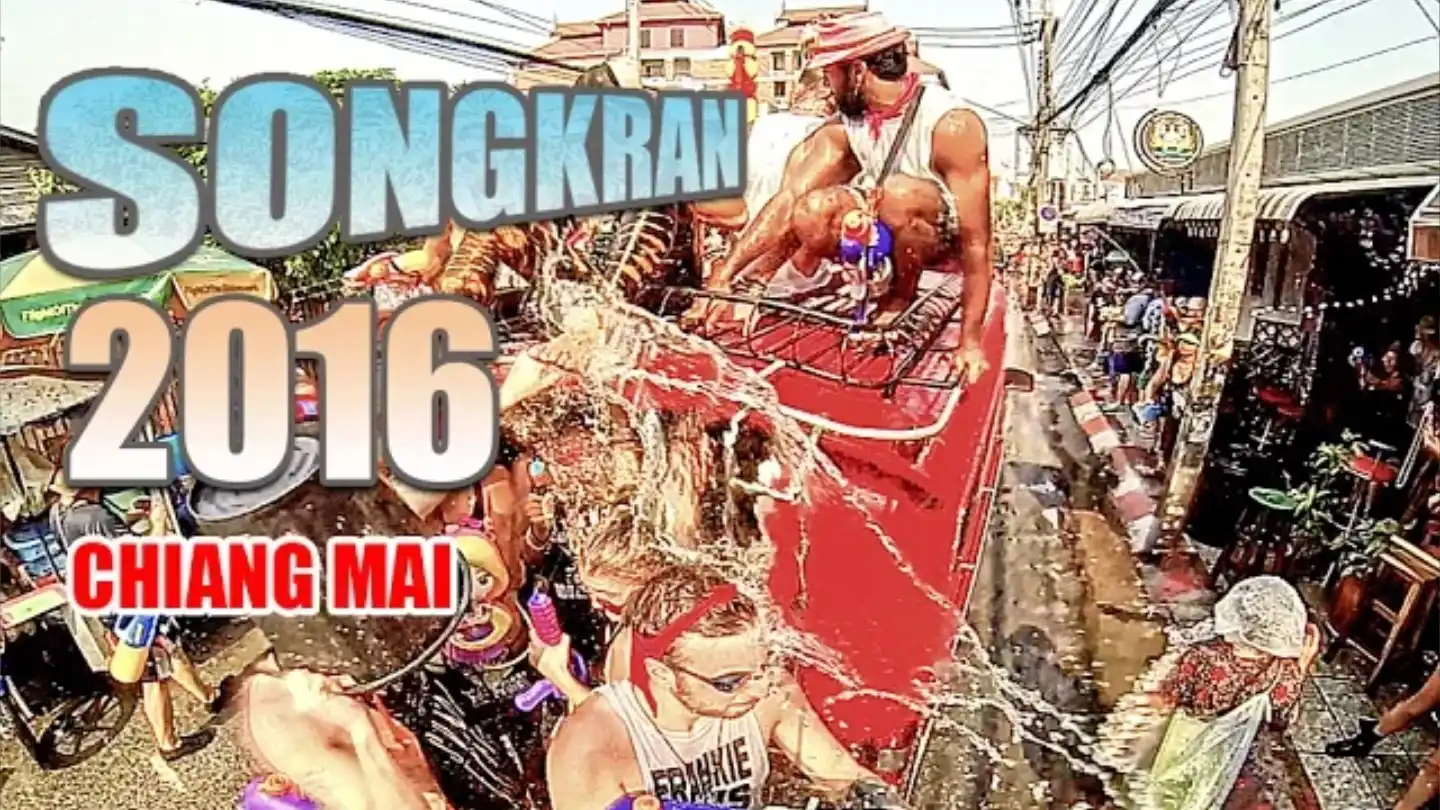
This video is one of many Songkran videos. See this YouTube Playlist for more.
Continue reading ↓
Culture & History
The Origins of Songkran Festival
Songkran marks the traditional Thai New Year and has been celebrated for centuries. The word “Songkran” comes from a Sanskrit term meaning “to move” or “to pass into,” referring to the sun’s transition into a new zodiac sign.
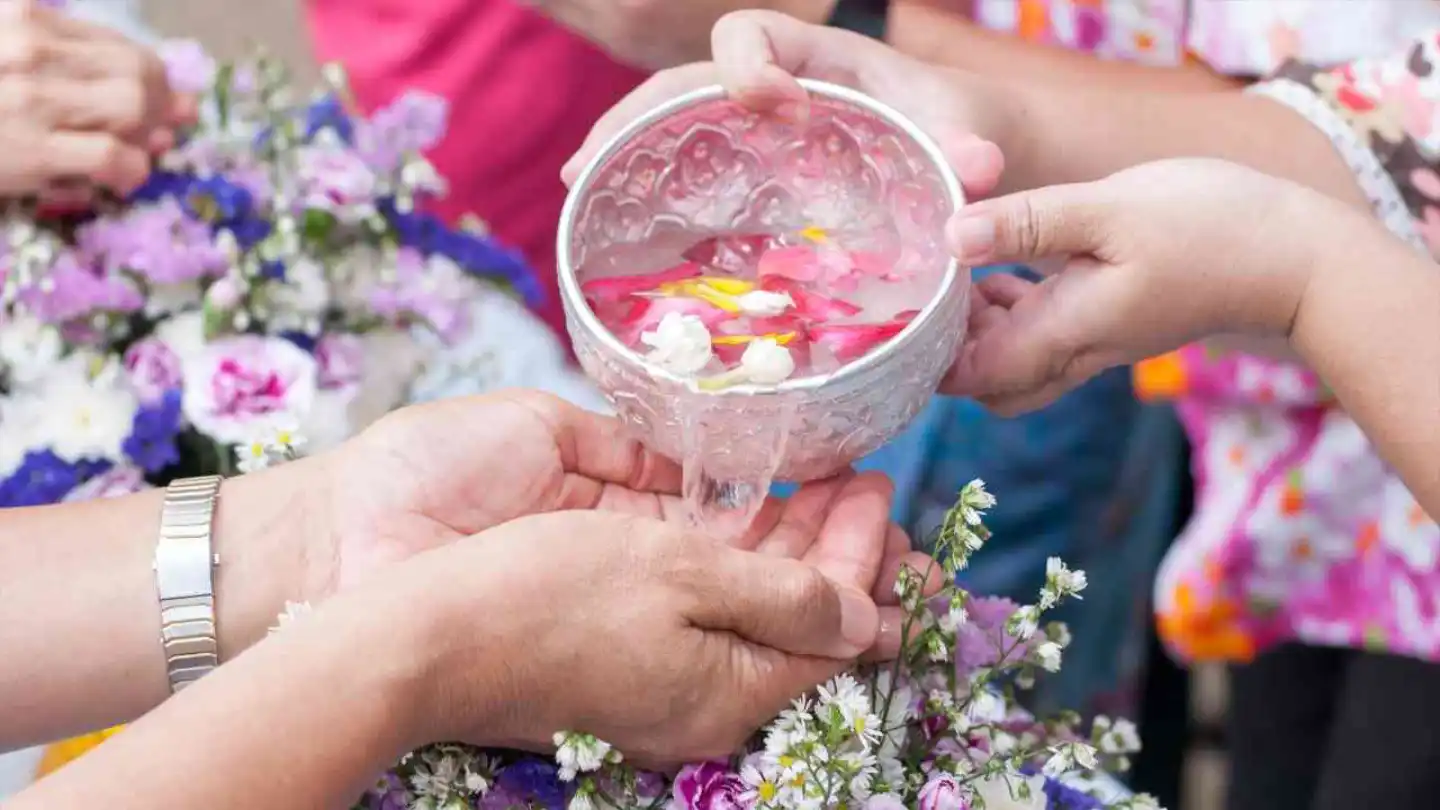
Originally, Songkran was a time for cleansing, renewal, and spiritual reflection. Water was gently poured over Buddha statues and the hands of elders as a sign of respect and blessing.
The Meaning behind Songkran Traditions
Songkran is tied to symbolic ideas of purification, washing away bad luck, and welcoming a fresh start for the new year.
The Legend of Nang Songkran
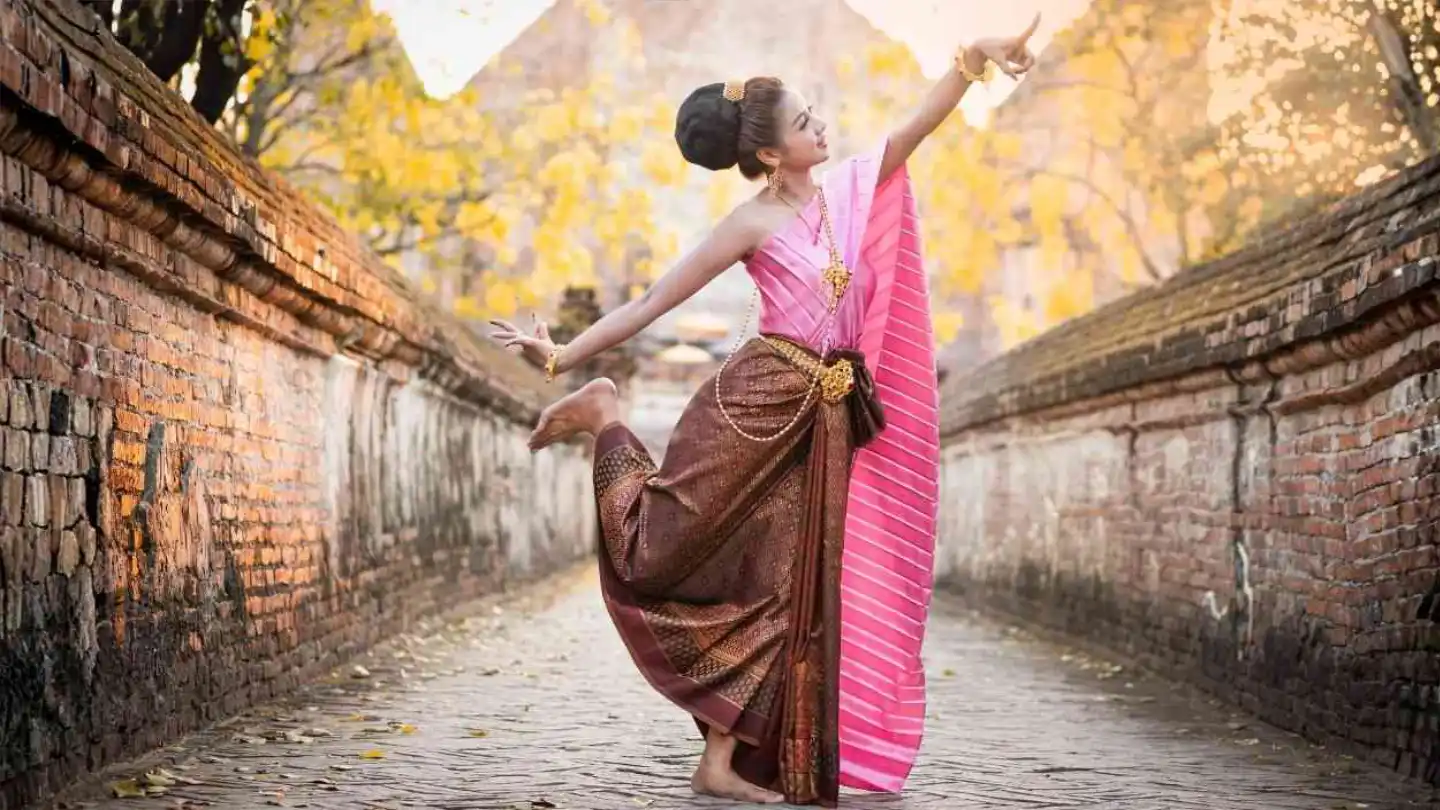
According to Thai tradition, Nang Songkran represents the spirit of the New Year. Each year is associated with a different “Songkran Lady,” who is depicted in traditional art and symbolism. This is a lesser-known but fascinating part of Songkran’s deeper mythology, rooted in astrology.
Nang Songkran refers to one of seven celestial daughters (often called the Seven Ladies of Songkran) who represent the Thai New Year. Each year, a different “Nang” (lady) is assigned depending on the day of the week Songkran falls on. For example: If Songkran begins on a Sunday → one specific Nang appears. If on a Monday → a different one. Each comes with symbolic predictions about: Fortune, weather, harvests.
In modern celebrations, especially in places like Chiang Mai and Bangkok, Nang Songkran appears in: Festival parades, cultural posters and artwork, official tourism visuals, pageants and performances. She is usually depicted in elaborate traditional dress, often riding her symbolic animal.
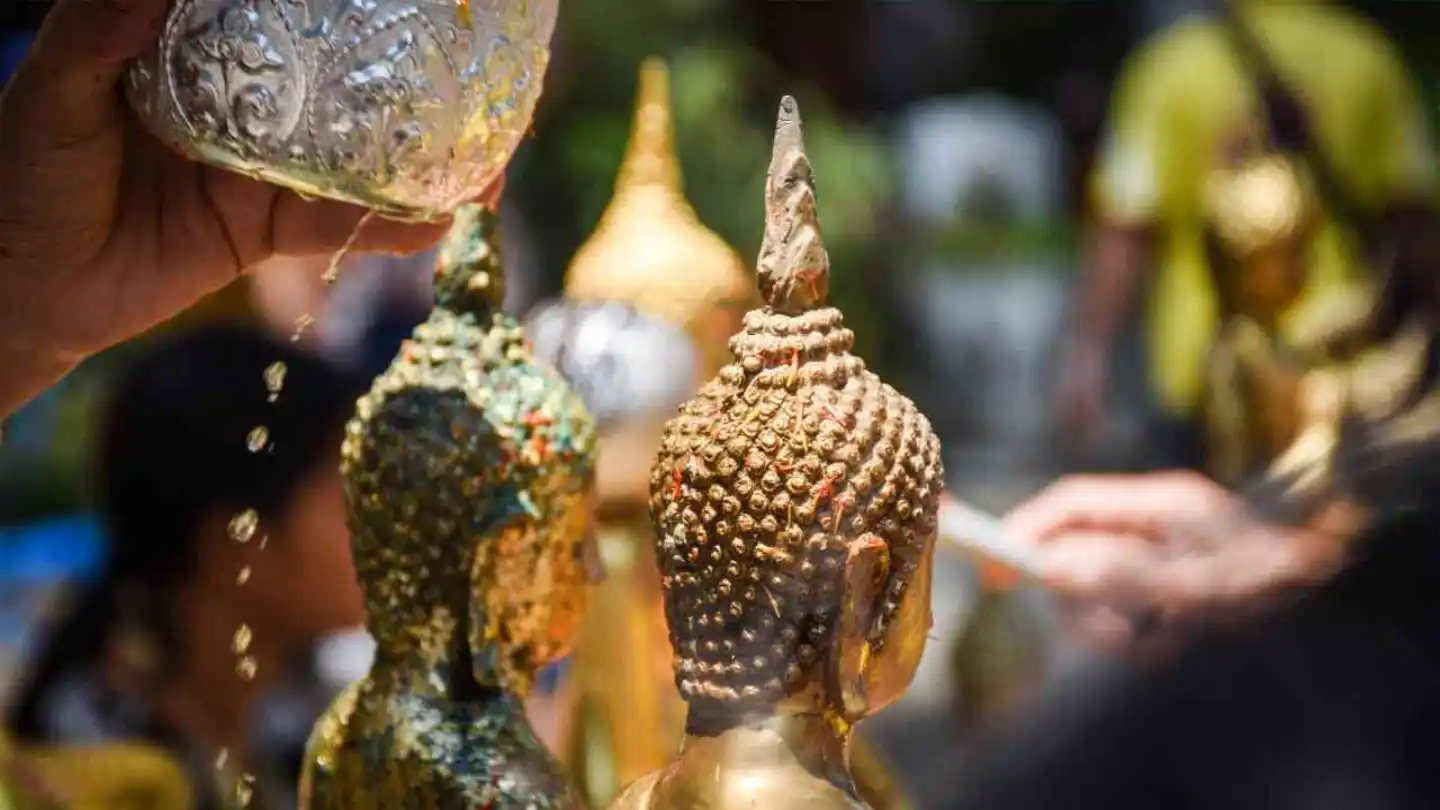
Songkran Rituals & Ceremonies
Key rituals include merit-making, visiting temples, pouring water over Buddha statues, and paying respect to elders. Songkran is deeply connected to Buddhism, with many people visiting temples to make merit, give offerings, and participate in religious ceremonies.
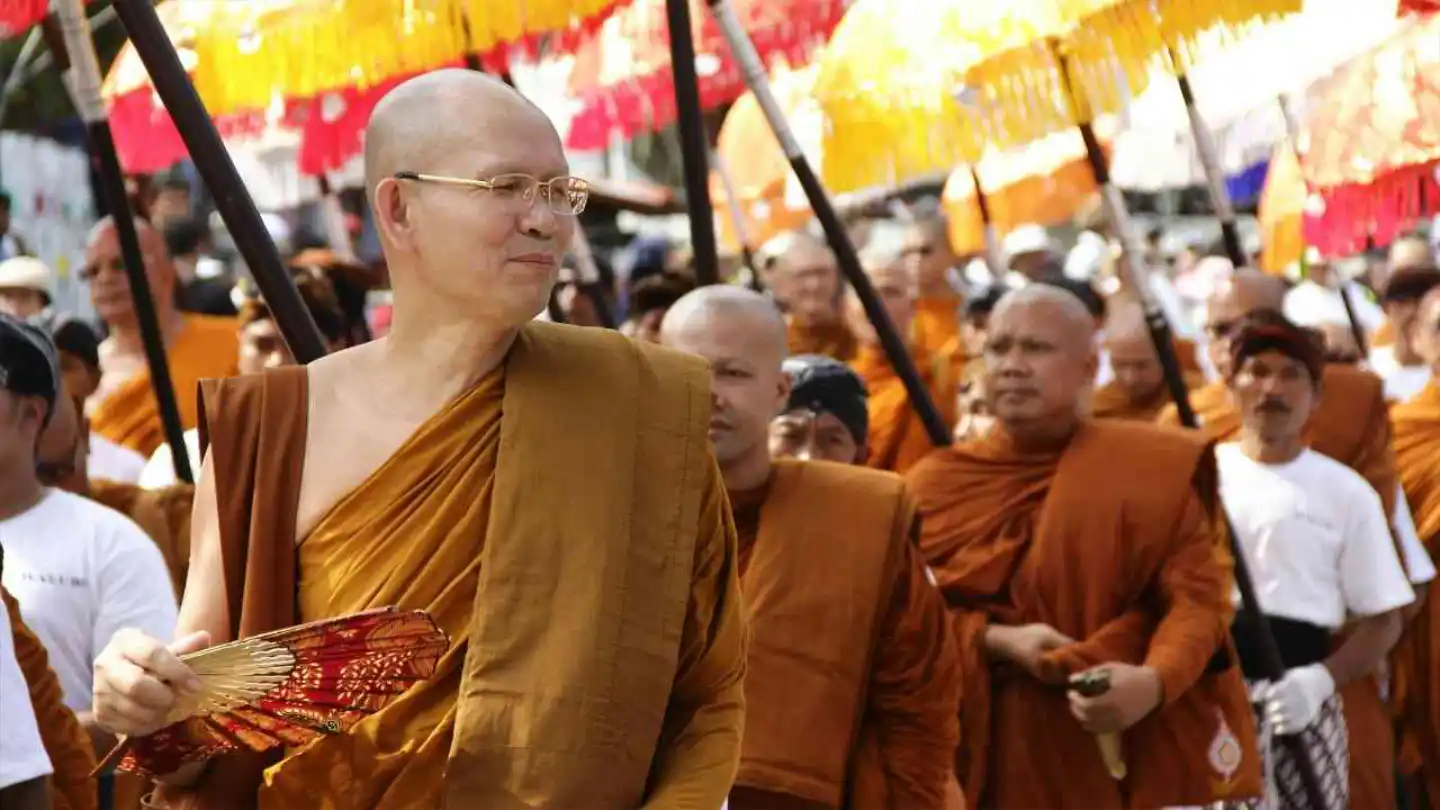
Songkran Festival Parades & Processions
In cities like Chiang Mai and Bangkok, Songkran often includes: Buddha image processions through the streets, floral floats and decorated vehicles, traditional dancers and musicians, and locals gently pouring water as a sign of respect. These parades are more cultural and symbolic, contrasting with the high-energy water fights happening elsewhere. Note: Be respectful – usually, water is not thrown or sprayed on parade participants.
Modern Songkran
Songkran today is a blend of tradition and transformation. While its roots lie in quiet rituals and family gatherings, the modern version has evolved into one of the largest water festivals in the world. If you prefer to experience a more traditional old-style Songkran, visit smaller towns and villages.
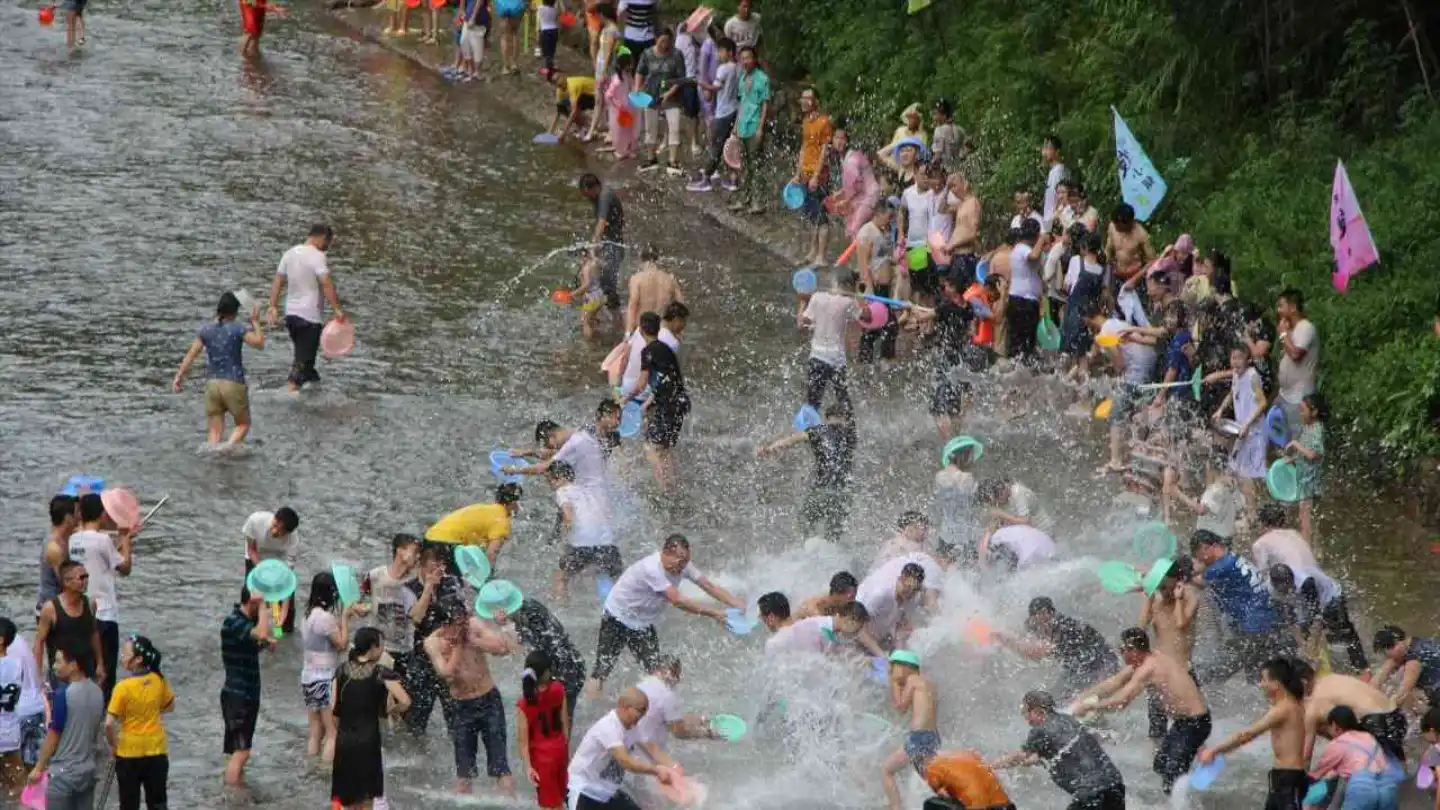
In Closing
Thailand’s Most Famous Festival
Songkran is an unforgettable experience that blends culture, tradition, and pure fun. It’s a festival where the entire country participates, creating a unique atmosphere that’s both meaningful and wildly entertaining.
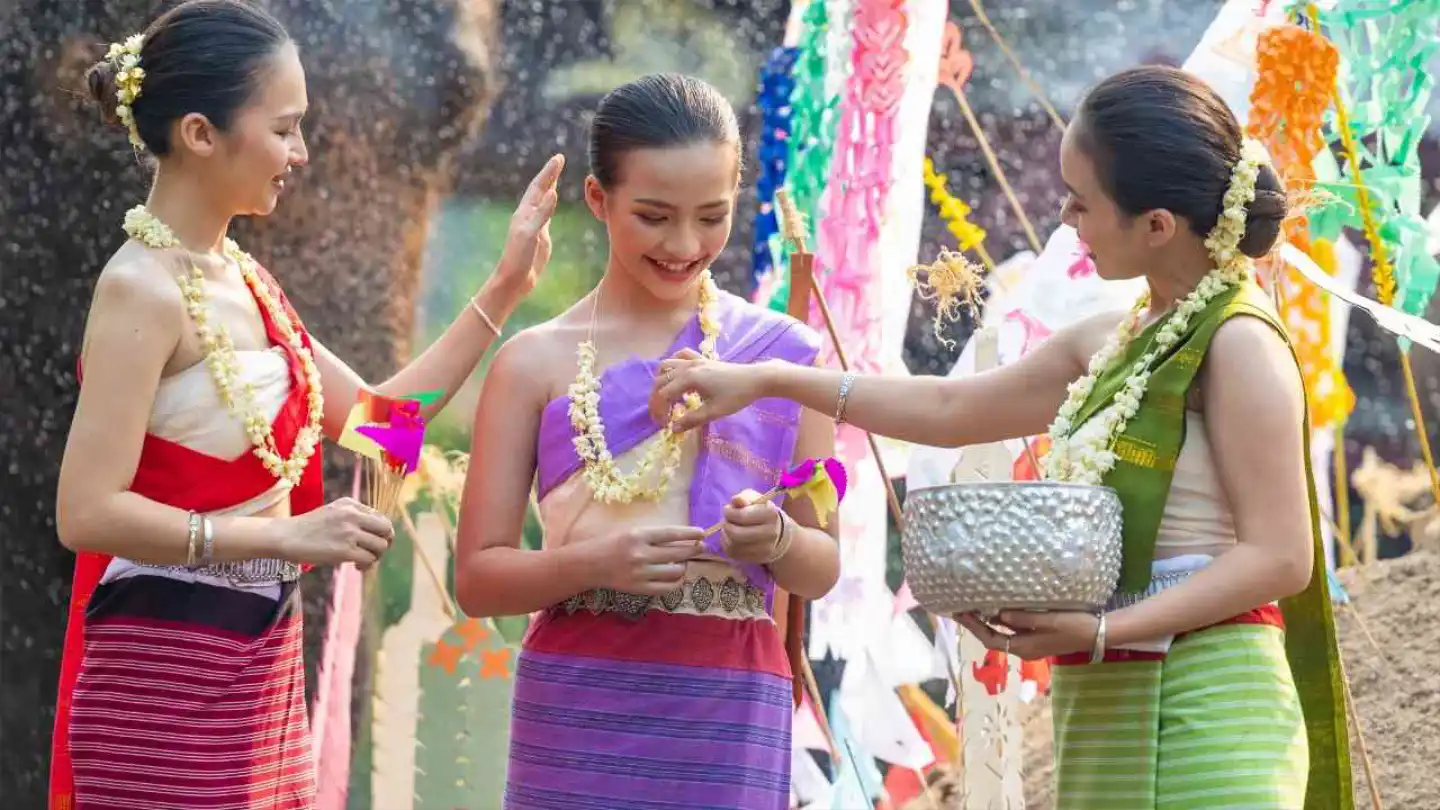
Additional Highlights
Things to Do During Songkran Festival
Visit Temples Early Morning -Start the day with a quieter side of Songkran—temple visits, merit-making, and traditional ceremonies before the crowds build.
Pour Water Over Buddha Images – Found in temples and public areas, this is one of the most meaningful traditions—symbolising cleansing and renewal.
Explore Street Events & Music Zones in places like Chiang Mai and Bangkok, you’ll find live music, DJs, and festival-style street setups.
Wander Markets & Food Stalls – Temporary markets pop up everywhere, offering local food, snacks, and drinks throughout the celebrations.
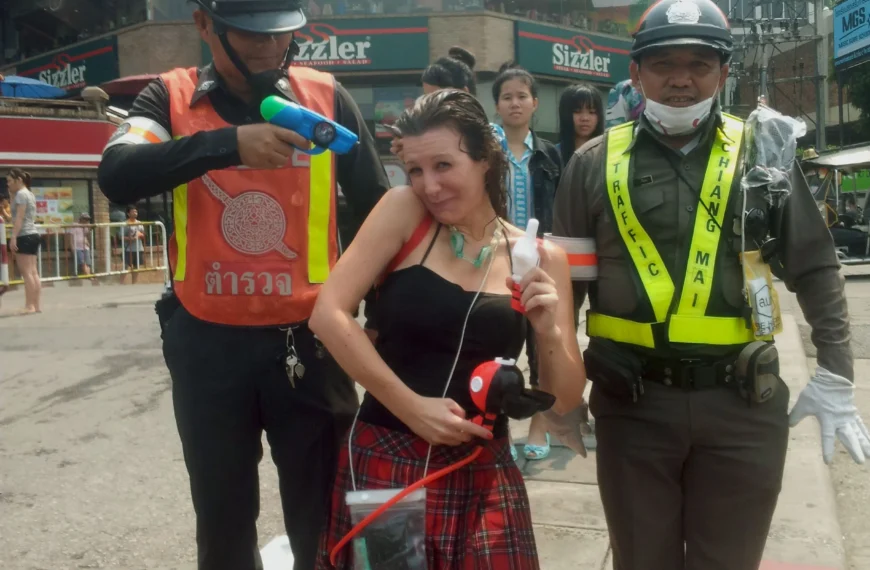
A Decade+ of Songkran (Thai New Year) – Chiang Mai
I hope you found the Songkran Festival guide useful, if so, drop a comment and if you have questions I haven’t covered, drop them in the comments below.