
Review of the BMW 310GS Motorcycle. When you think of adventure bikes, the mind often leaps to heavyweight machines, such as the BMW R1300GS. However, in regions such as Northern Thailand, adventure isn’t always about horsepower. – Enter the BMW 310GS.
In this review, I cover the specs of the “baby beamer”, and how it handles the twists and turns of Northern Thailand. Read on to see how it fared.
Table of Contents
Specifications at a Glance
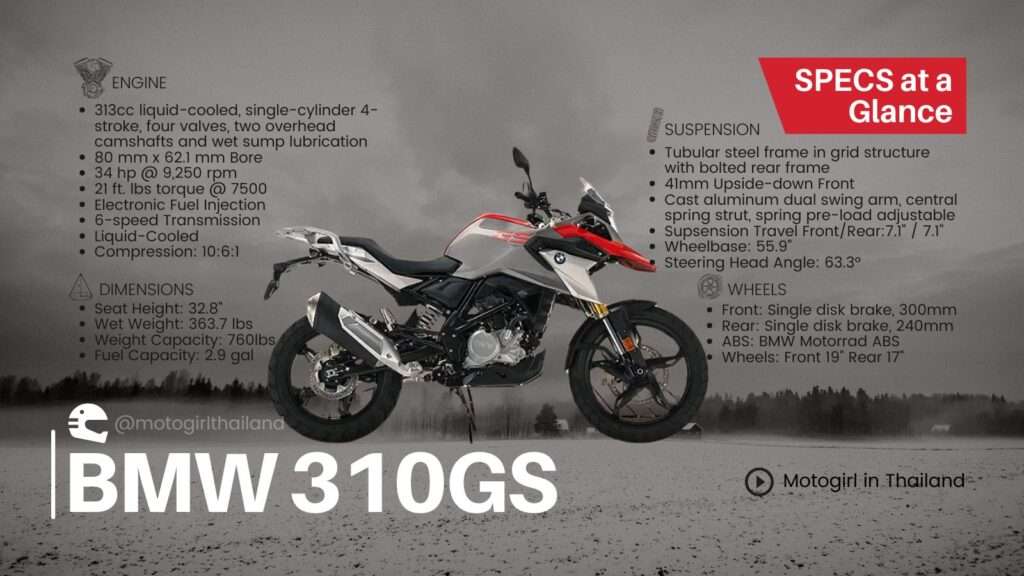
- Engine: 313cc liquid-cooled, single-cylinder
- Power: 34 hp @ 9,500 rpm
- Torque: 28 Nm @ 7,500 rpm
- Transmission: 6-speed
- Seat Height: 835 mm (standard),
with optional low (820 mm) and high (850 mm) seats - Wet Weight: 175 kg
- Fuel Capacity: 11 liters
- Front Suspension: 41 mm upside-down fork, 180 mm travel
- Rear Suspension: Monoshock, adjustable preload, 180 mm travel
- Brakes: Front 300 mm disc, rear 240 mm disc, dual-channel ABS
- Tires: Front 110/80 R19, Rear 150/70 R17
First Impressions
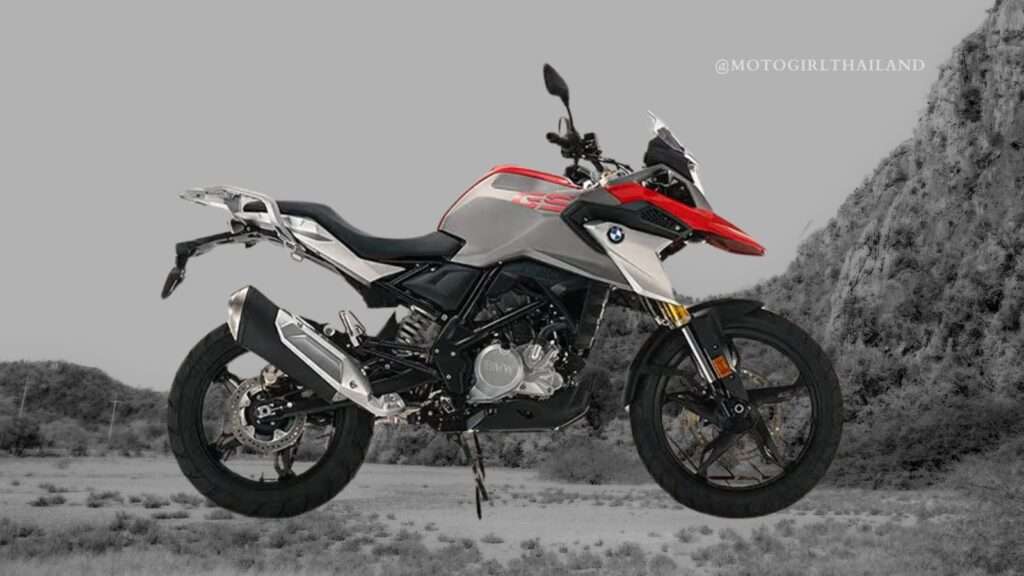
At first glance, the BMW 310GS carries the unmistakable DNA of its larger GS siblings. The signature beak-style front fender, upright stance, and adventure-ready design elements are all present.
With a seat height of 835mm and a wet weight of 169.5kg, it’s manageable for most riders of various sizes. The upright seating position and wide handlebars provide good control, especially when navigating tight corners and uneven roads. (Additional note for shorter riders is detailed later. Or jump to the section now)
Is It Adventure-Ready?
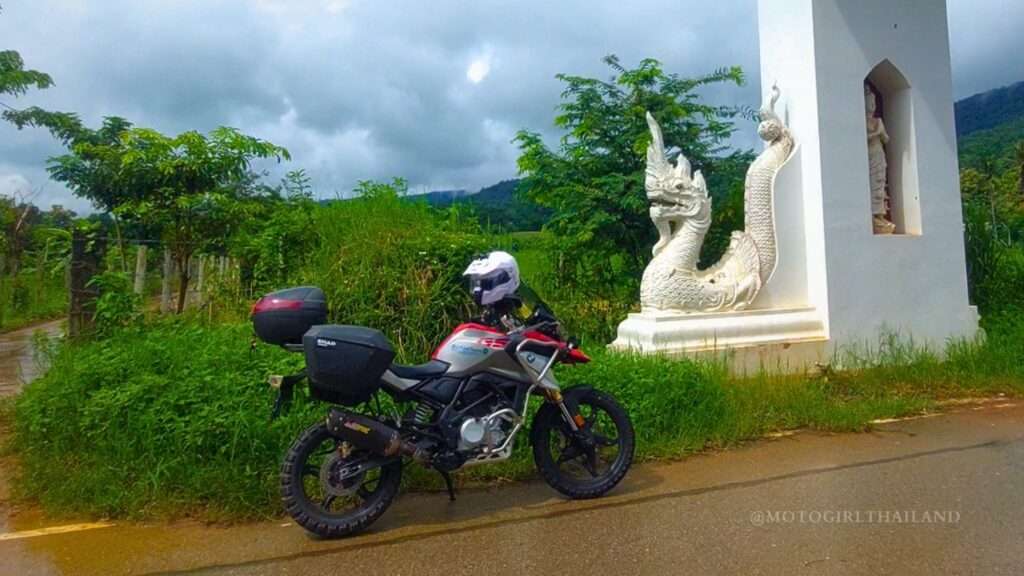
The term “adventure bike” often conjures images of long-distance touring and rugged off-road escapades. While the BMW 310GS may not be the ideal choice for crossing continents, it’s more than capable of handling regions such as Northern Thailand. In fact, smaller bikes often make more sense in these regions. The 310GS covers the kind of adventure that most riders will encounter.
Features and Technology
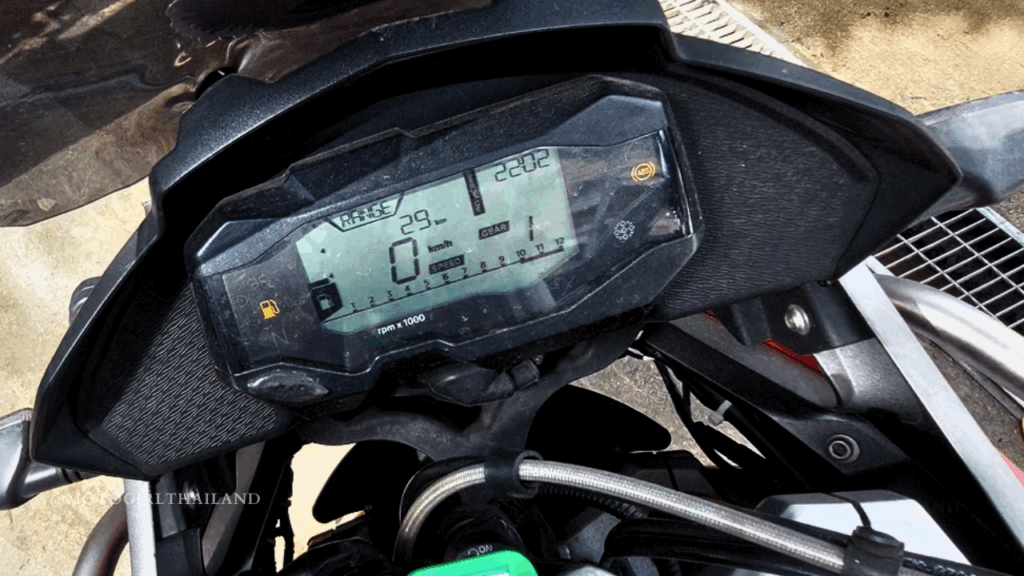
The 310 GS is relatively minimalist compared to its higher-end GS siblings, but it still has several practical features and technologies worth highlighting:
- Ride-by-Wire Throttle, An electronic throttle (ride-by-wire), offering smoother throttle response and improved fuel efficiency over traditional cable systems. It also enhances the bike’s refinement and control, particularly in urban or variable terrain.
- Slipper Clutch. Reducing the effort needed to pull the clutch lever and helping prevent rear-wheel hop or skidding during aggressive downshifting.
- Standard Dual-Channel ABS, The bike comes equipped with dual-channel ABS (front and rear), enhancing safety on both paved and loose surfaces. However, the ABS system cannot be turned off, which may limit its versatility for more serious off-road riders.
- LED Lighting: Bright and energy-efficient headlights and indicators
- Tubeless Tires. Mounted on cast alloy wheels, the 310 GS runs on tubeless tires.
Suspension Note
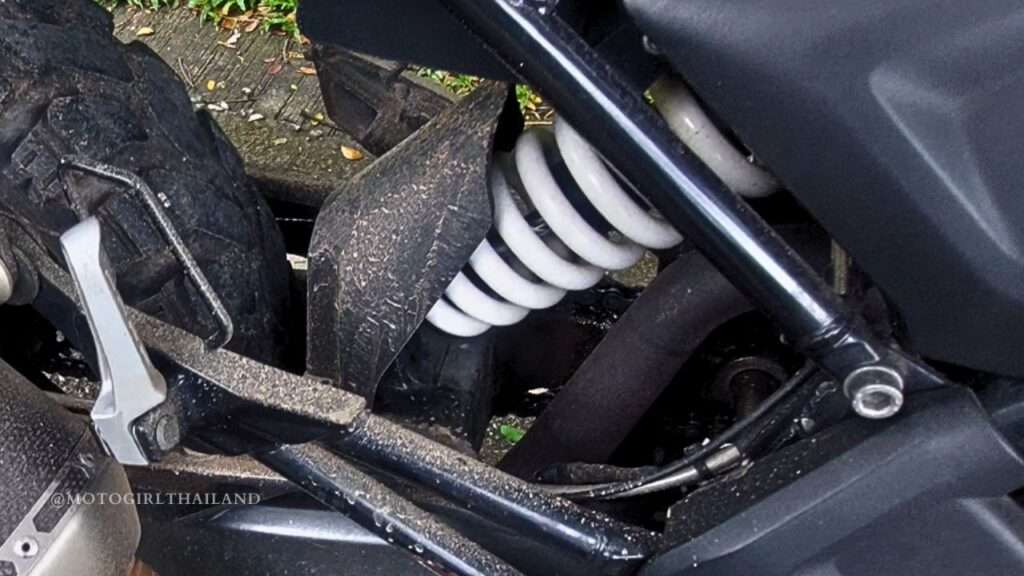
One thing I noticed about the BMW 310GS is its more basic suspension setup compared to higher-end adventure bikes. The rear monoshock offers preload adjustment only, with no options for tuning compression or rebound damping, unlike its larger-capacity counterparts.
On-Road Performance
The 313cc engine delivers smooth power, sufficient for highway cruising and spirited rides through mountain passes. The Ride by Wire throttle provides precise control, and the slipper clutch ensures smooth downshifts.
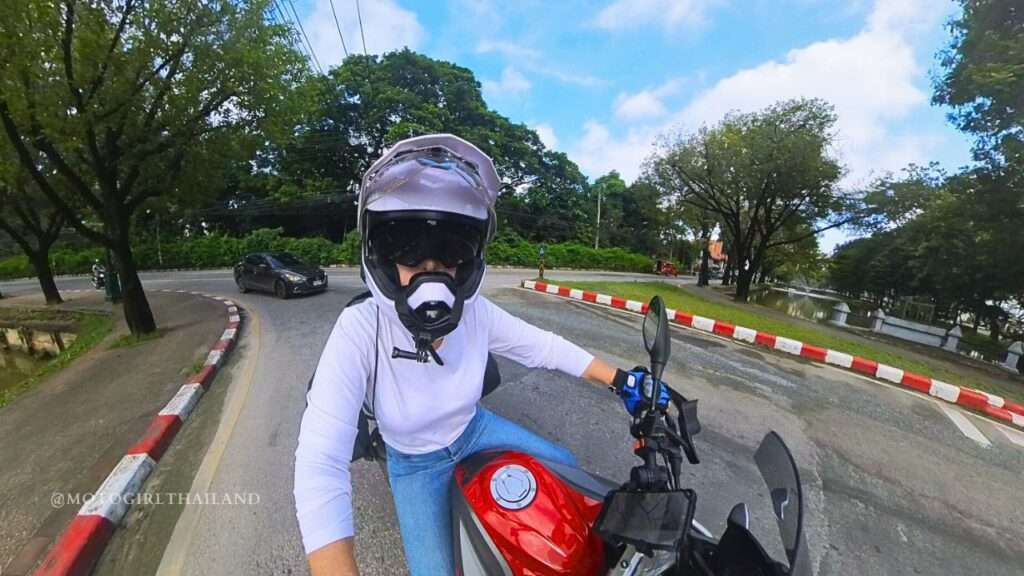
In fact, riding it was so smooth that I had to remind myself to check the speedometer due to easily exceeding speed limits when out on riding trips. I was breezing past other vehicles wondering why they were going so slow, only to realise that I had picked up speed.
Off-Road Capabilities
BMW states that the BMW 310GS suspension offers 180 mm of travel both front and rear, effectively absorbing bumps and uneven terrain. However, I noted that the ABS could not be disabled, which suggests that while the bike is marketed as off-road capable, it’s really better suited to light to moderate trail use rather than serious off-road adventures.
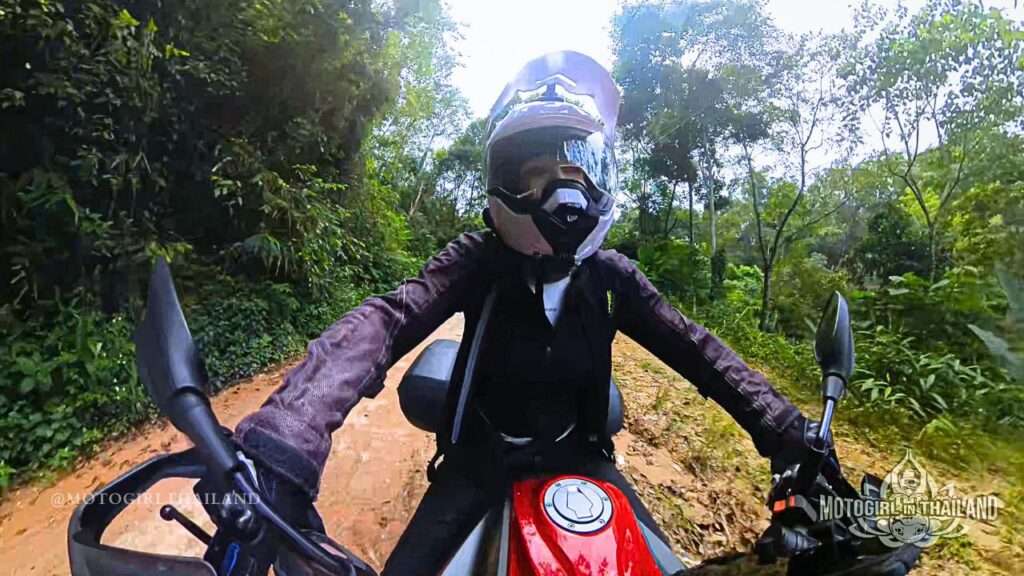
Personally, I found that not being able to flat-foot the bike didn’t inspire much confidence, especially considering its weight. In my experience, lower, heavier bikes or tall, lightweight ones are generally more manageable for riders with a shorter inseam.
Touring Potential
With its comfortable upright seating position, fuel efficiency (around 29.26 km/l), and luggage options, the BMW 310GS is well-suited for touring. The 11.5-liter fuel tank provides a decent range, and the bike’s light weight makes it easy to handle during long rides. It certainly wins in this department.
Performance on Thailand’s Twisty Terrain
Northern Thailand is a fantastic playground for motorcyclists with its winding roads, steep inclines, and off-road detours. The BMW 310GS’s 313cc single-cylinder engine, producing 34 horsepower at 9,500 rpm and 28 Nm of torque at 7,500 rpm delivers smooth and predictable power.
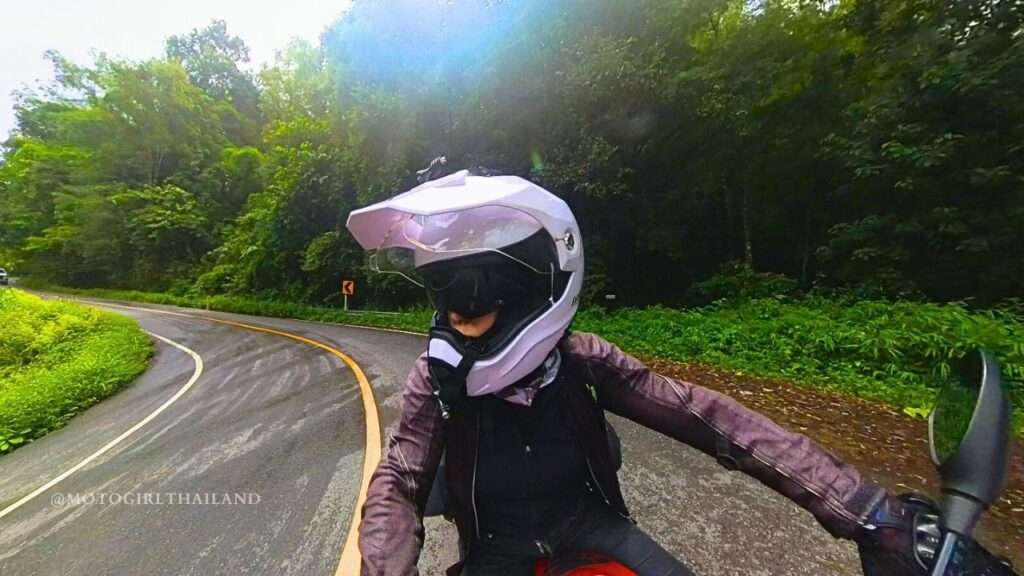
The bike’s suspension setup of a 41mm upside-down front fork and a rear monoshock, handled bumps and dips with ease. It’s not designed for hardcore off-roading, but it tackled gravel paths and uneven surfaces without complaint.
Comfort and Ergonomics for Shorter Riders
As a rider standing at 165 cm (5’5″), I was initially concerned about the seat height, especially when paired with dual-sports tires. While the bike’s narrow profile was a plus, I still found myself needing to shift my weight and exercise caution when starting or stopping, which felt precarious at times, (as well as somewhat ridiculous-looking).
On certain routes, this became particularly nerve-wracking. I was acutely aware that if I had to pull over on a steep incline, I’d struggle due to be unable to flat-foot the bike. The height plus weight was working against me.
With lightweight tall bikes, like the Honda CRF or Kawasaki KLX, the height is more forgiving because you can lean the bike over without the risk of dropping it. Heavier bikes, however, offer less margin for tilt and require more caution and control.
Shorter riders have to factor in things that taller riders generally don’t need to consider or worry about. As a general rule, if a bike is tall, I prefer it to be light. If it’s heavy, I prefer it to be lower. This preference comes down to the kind of terrain and situations I typically encounter on my rides.
Final Thoughts
The BMW 310GS is a versatile and capable bike that handles both city streets and soft trails with ease. It’s a great option for many riders, but personally, there are a few key factors that make it less suited to my specific needs:
- Cost – Not just the purchase price, but also ongoing maintenance and the expense of imported parts can add up quickly.
- Serviceability – I’d be hesitant relying on general roadside mechanics in Thailand to patch this bike up if something went wrong. Since I often ride off the beaten track, this is a genuine concern.
- Weight & Height – If I were taller or mainly touring on paved roads, this wouldn’t be such an issue. But I gravitate toward lightweight, flickable bikes that suit my riding style and the kind of terrain I enjoy most.
In conclusion:
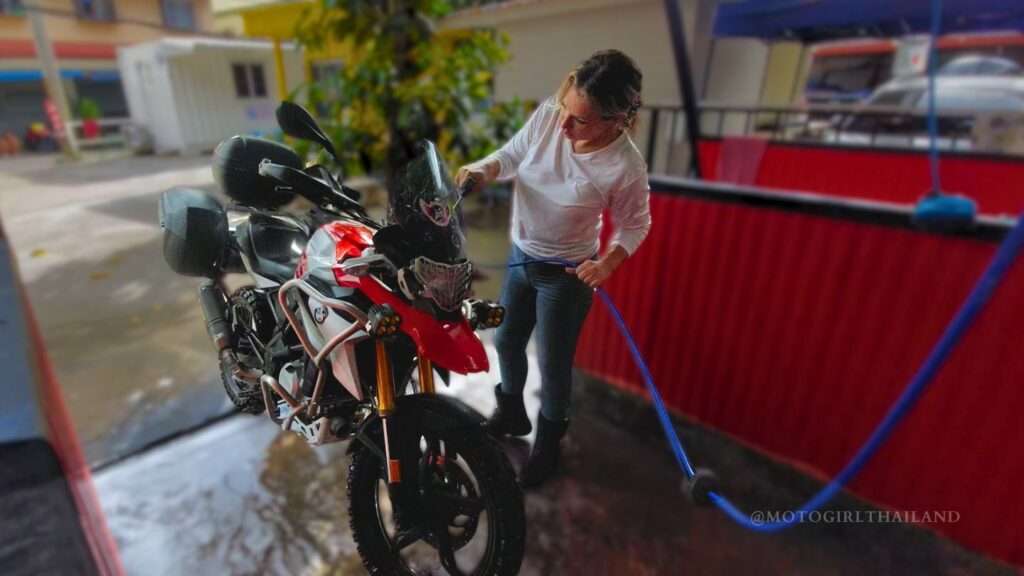
The BMW 310GS is a beautiful machine and certainly a head-turner. I received questions and complements wherever I went. It is well-built, stylish, road-ready, and it positively purrs upon startup! This bike would be heaven for many riders. However, given the various outlined factors, it just isn’t the right fit for me personally.
Have you tried riding the BMW 310 GS bike? Is there other aspects that you would have liked to to have covered? Let’s chat in the comments — I’d love to hear your thoughts!
Many thanks to BIG BIKE TOURS for lending me one of their BMW 310GS motorcycles! Big Bike Tours is a leading tour operator in Thailand, offering all-inclusive tours for the region and beyond. With decades of experience, they cater to riders of all skill levels, providing a range of tour options and top-quality motorcycles. Find out more: Big Bike Tours
If you found this review helpful, you can support via:


..and don’t forget to check out the MotoGirl Shop page, for some fab guides to the region!